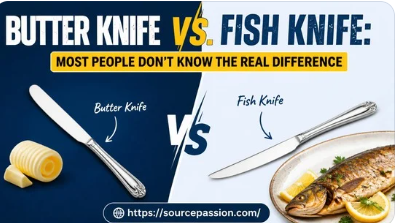
I love hosting formal dinner parties. Setting the table flatware can look very hard. You might see many knives. Some look very much alike. Let us clear up the confusion today. Two knives confuse people the most. These are the butter knife and the fish knife. They look similar because they are blunt. But they do very different jobs at the table. You do not want to mix them up. Doing so can ruin your fine meal. It also breaks old rules of table manners. Let us learn how to tell them apart. Fine dining flatware etiquette is a beautiful art. It makes your guests feel welcome and comfortable. When you use the right tools, everyone can enjoy their meal without any stress.
What is a Butter Knife?
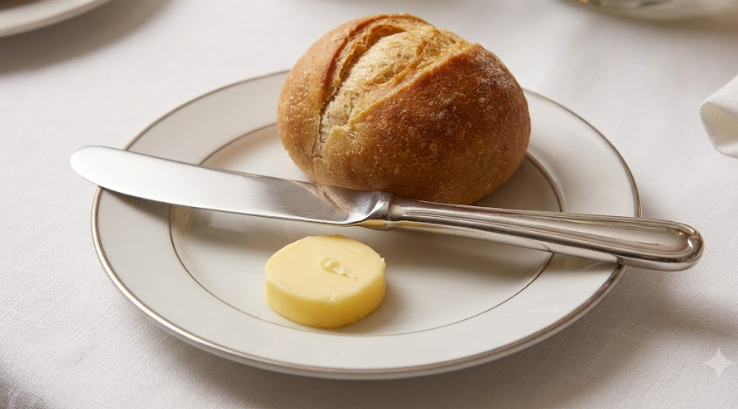
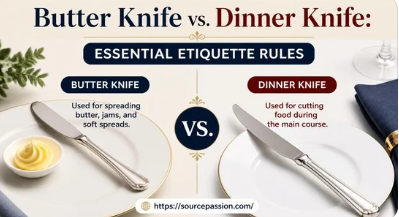
A butter knife is a small tool. It is also called a butter spreader. It has a short blade. The blade is six to seven inches long. It has a rounded tip. This tool has no sharp edges. You do not use it to cut food. You only use it to spread butter on bread. It can also spread soft cheese or jam. The blade is flat and wide. This shape helps you scoop up soft butter easily. Then you can slide it over your bread. This keeps the bread from tearing apart. You will find this knife on the bread plate. It sits at the top left of the main plate. It is a key part of any formal table setting guide today. I always buy good silver sets for my guests. You can find beautiful options online. You can check out this great flatware set on AMAZON to find nice pieces for your home.
What is a Fish Knife?
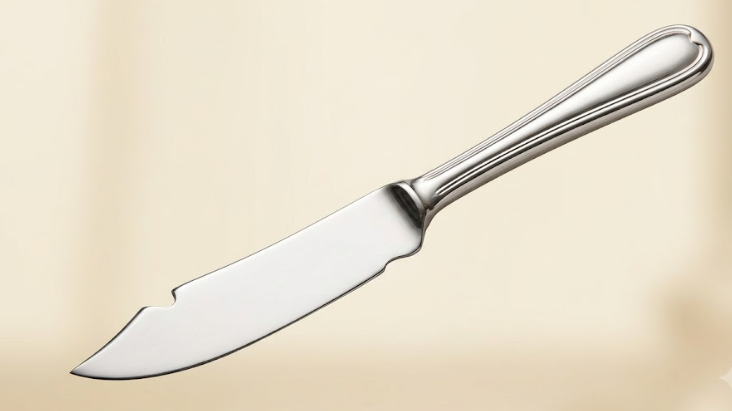
A fish knife is very unique. It is longer than a butter spreader. It has a wide blade like a spatula. It also has a sharp point at the end. The point is there for a reason. It helps you slide the blade under fish skin. You can lift the skin away easily. It also helps you lift out small bones. This knife is not for cutting meat. Fish flesh is very soft. You do not need a sharp edge to cut it. You only need to slide and lift the meat. Many fish knives have a small notch on the blade. This notch helps you catch and remove tiny bones. It makes eating whole fish much cleaner and easier for everyone. You will usually find this knife on the right side of the plate. It sits next to the soup spoon. It is slightly shorter than a standard dinner knife on the table.
Why Are Fish Knives Shaped Differently?
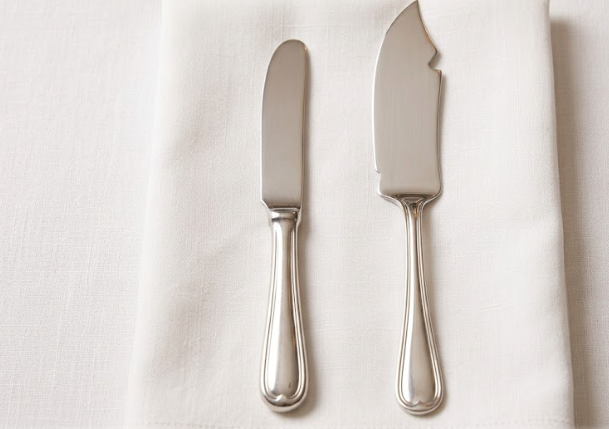
You might ask: Why does a fish knife have a point? This point is not for stabbing. It is designed to slip between the delicate skin and the soft meat. What is a fish knife used for? It is used to slice and lift fish fillets. The wide, flat blade acts like a mini spatula. It lifts the soft meat onto your fork. A normal dinner knife vs butter knife discussion is simple. But a fish knife is more specialized. Its unique shape matches the delicate nature of seafood. It prevents the meat from tearing. Historically, fish knives were made of silver. Steel would react with fish oils. This reaction gave the fish a bad metal taste. Silver kept the fresh taste clean and perfect. Modern fish knives are made of stainless steel. But they still keep the classic shape. This shape is a great example of form meeting function at the dinner table today.
How Do You Use a Fish Knife and Fork?
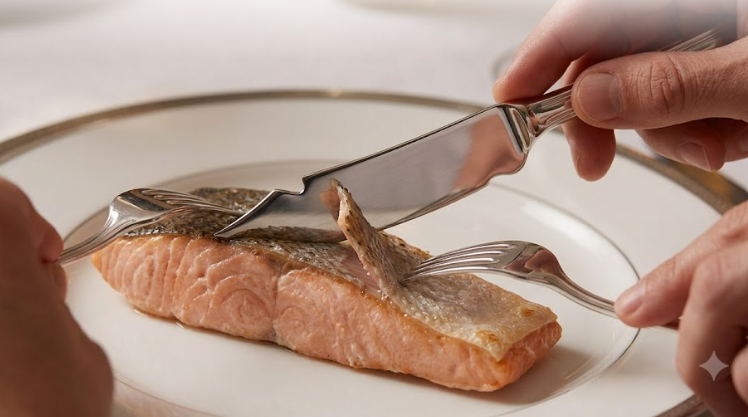
Using these tools is easy once you know the trick. Hold the fish fork in your left hand. Hold the fish knife in your right hand like a small pencil. Do not hold the knife like a saw. You do not need to press hard. Use the pointed tip to gently separate the fish meat from the bones first of all. Use the wide blade to slide under a piece of fish. Lift it gently onto your fork. You can also use the blade to scoop up some of the delicious sauce. This method keeps the fish from turning into mush. It looks very neat. Your guests will be impressed by your skills. It makes dining feel very special and fun too. If you are serving whole fish, the knife is vital. It lets you peel the skin back in one clean piece. This makes the meal look much more appetizing to guests.
Fish Fork and Knife Placement Rules
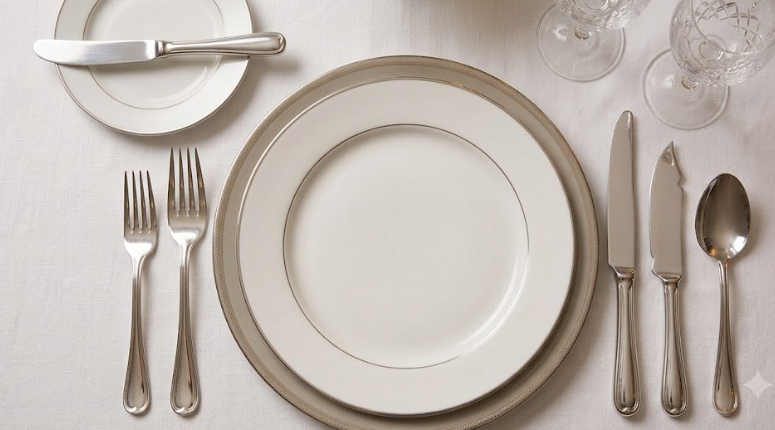
Proper placement is key for formal dinners. The butter knife has its own special spot. It does not go next to the dinner plate. It stays on the bread plate. The bread plate sits on the upper left side. You place the butter knife across this plate. The blade should face down and point to the left side of the plate. The fish fork and knife placement depends on your menu. The fish knife goes on the right side of the plate. The fish fork goes on the left side of the plate. Always place them in the order of use. If fish is served first, put them on the far outside. This is a basic rule of the formal table setting guide. If you need a complete set of table silverware, look online. I found beautiful collections that include these pieces. Check out this elegant set on AMAZON to upgrade your dining today.
Table Manners and Silverware Rules
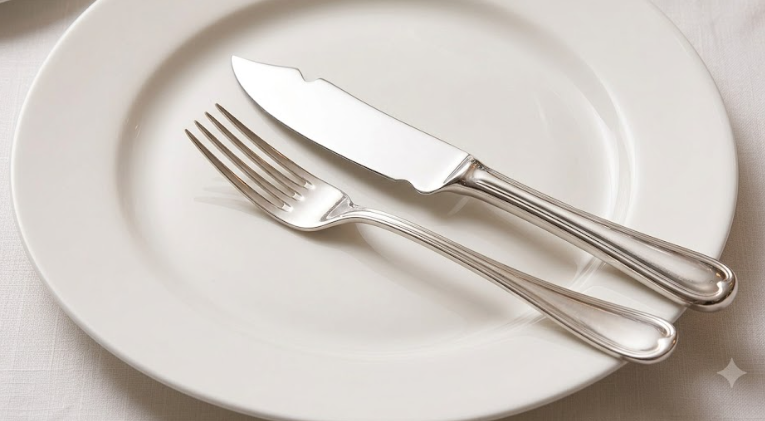
Good table manners are very easy to learn. Always start with the cutlery on the far outside. Work your way in as each new food course is served to you today. Never use your butter knife for the main meal. Keep it on the bread plate. Only use it when you take a piece of fresh bread to eat at the table. If you drop a table knife, do not pick it up. Ask your dinner host or server for a new one. This is a standard rule of fine dining everywhere. When you finish your meal, place your knife and fork together. Put them at the five o’clock position on your plate. This tells the server that you are done now. Never rest dirty flatware on the table cloth. Always place it back on the plate. This keeps the table clean and shows respect for your host’s home today.
Quick Comparison: Butter Spreader vs Butter Knife
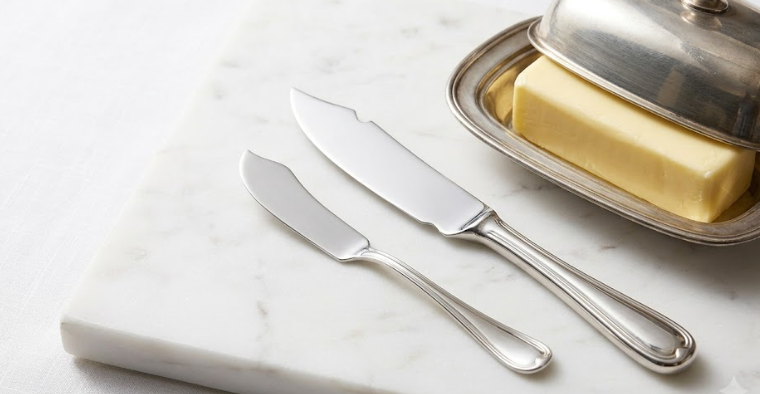
Let us look at silver flatware identification. Some people confuse a butter spreader vs butter knife. A spreader is smaller and has a curved blade. It sits on the bread plate. A master butter knife is larger. It sits on the main butter dish. Guests use it to slice butter onto their own plates. They do not use it on their bread. Let us compare all these tools side by side. This table shows the main differences in their size, shape, and use. It will help you remember them easily today.
| Feature | Butter Knife | Fish Knife |
|---|---|---|
| Average Length | 6 to 7 inches | 7 to 8 inches |
| Tip Shape | Rounded and blunt | Pointed with a wide blade |
| Special Features | Narrow, smooth blade | Often has a small notch |
| Primary Use | Spreading butter or jam | Separating fish meat and skin |
| Table Position | On the bread plate | Right side of the plate |
Now you can see how different they are. One is for spreading soft toppings on bread. The other is for delicate seafood. Both are very important for a formal dinner event. Using the right tool shows that you know the rules. It makes the meal flow smoothly. Guests can eat without worrying about which tool to use next at your table.
Fine Dining Flatware Etiquette
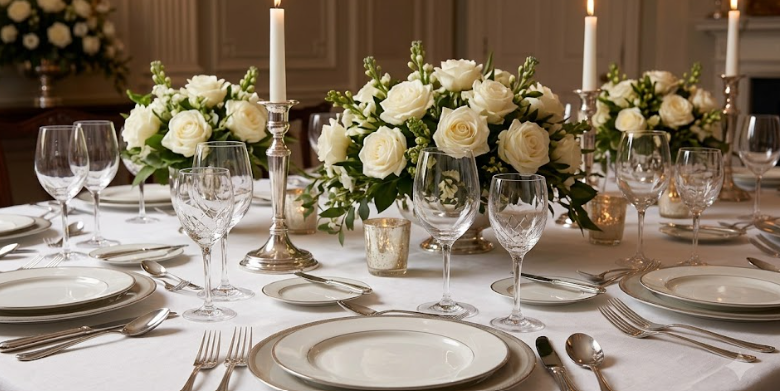
Using special knives has many benefits. It makes your table look very elegant. It shows your guests that you care about the small details of the meal on the table. The language of cutlery is a real thing. How you place your tools tells a clear story to the server. It shows you understand the formal dinner cutlery order and respect your guests at the table. I think the effort is worth it. Elegant flatware makes any home dinner feel very special. You can find excellent, affordable flatware sets on AMAZON to start your own collection today. When you host, take time to set the table right. It creates a warm and beautiful mood. Your guests will feel like they are in a five-star restaurant tonight. It also starts great conversations. Guests love to learn about old dining traditions. Sharing the history of these tools is a fun way to connect over food today.
How to Care for Your Table Silverware

Fine flatware needs good care to last. Always wash your knives by hand. Do not put them in the dishwasher. The high heat can damage the metal and handles. Use a mild soap and warm water. Dry them right away with a soft cloth. This prevents water spots and rust from forming on your beautiful silver pieces today. Store your silverware in a dry place. A lined chest is best. It keeps the pieces from scratching each other. It also keeps silver from tarnishing over time at home. If your silver does tarnish, use a gentle polish. Rub it with a soft cloth. This brings back the bright shine. Your table will sparkle at your next dinner party. Taking care of your tools ensures they last for years. You can pass them down to your children. They are a wonderful investment for any home host today.
Final Verdict: Table Knives Made Simple
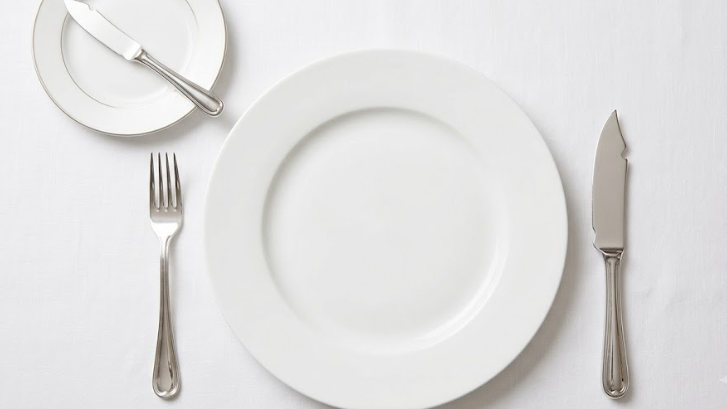
Now you know the difference. The butter knife is short and round. The fish knife is long and has a sharp point. They are not the same tool at all. Using the right knife makes dining much better. It shows respect for the fine food and your guests. It turns a simple meal into a great event every single time. I hope this guide helps you set your next dinner table. With these simple tips, you will never confuse these two knives again. Happy hosting to you and your guests today!
Frequently Asked Questions
What is the difference between a butter knife and a fish knife?
A butter knife has a short, rounded blade used to spread butter on bread. A fish knife is longer, with a wide, flat blade and a pointed tip designed to separate fish meat from the skin and bones.
Why does a fish knife have a point?
The point of a fish knife is used to slide under the delicate skin of the fish. It helps you lift the skin away easily and remove tiny bones without tearing the soft meat.
What is a fish knife used for?
A fish knife is used to eat fish fillets or whole fish. Its wide blade acts like a spatula to lift delicate pieces of fish onto your fork, while the blunt edge separates the meat from the bones.
How do you use a fish knife and fork?
Hold the fish fork in your left hand and the fish knife in your right hand like a pencil. Use the pointed tip of the knife to separate the meat from the skin and bones, then use the wide blade to lift the fish onto your fork.
Why are fish knives shaped differently?
Fish knives are shaped differently because fish flesh is very soft and delicate. They do not need sharp edges for cutting. Instead, they feature a wide, flat blade for lifting and a pointed tip for separating skin and bones.