Every home cook needs good tools. Two common tools are these small knives. They look different. They do different jobs in the kitchen. Choosing the right one saves you a lot of time.
You might wonder which one to buy first. You might wonder if you need both. This guide will show you the main differences. It helps you choose the best knife for your home.
What is a Paring Knife?
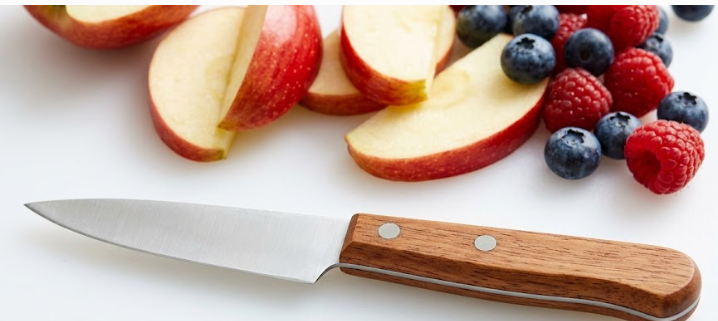
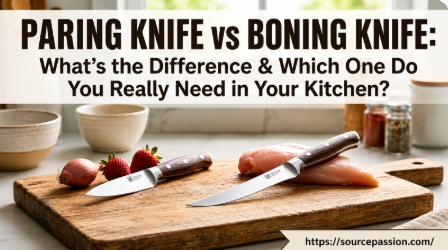
A paring knife is small and light. It has a short blade. The blade is three to four inches long. It is easy to hold in one hand. It gives you great control.
What is a paring knife used for in daily cooking? You use it to peel fresh fruit and small veggies. It is great for cutting apples. It also removes seeds from hot peppers.
Some people confuse this tool with a utility knife. But there is a utility knife vs paring knife difference. The utility knife is longer. The paring knife is much better for detail work.
Paring knives come in a few shapes. The most common is the spear-point. It is great for general slicing. There is also the bird’s beak knife. It has a curved blade.
The bird’s beak shape is great for peeling round fruits. It lets you follow the natural curve of an apple. This keeps you from wasting any of the good fruit.
You should choose a paring knife with a comfortable grip. It should feel good in your hand. This helps you cut without getting tired. It makes cooking very easy.
What is a Boning Knife?
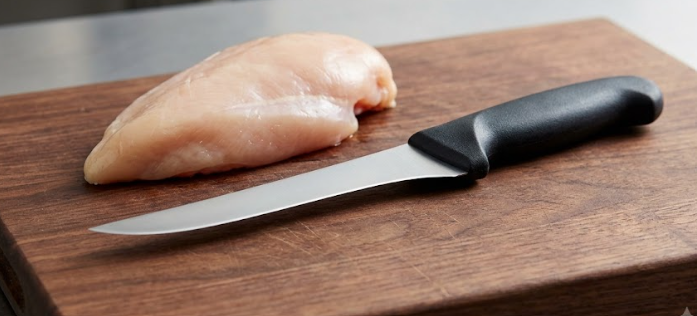
A boning knife is a special tool for meat. It has a long, thin blade. The blade is five to seven inches long. It is made to cut close to bones and joints.
What is a boning knife used for when you cook? It helps with deboning meat like chicken or beef. It easily cuts through tough joints. It trims away fat and skin.
You can buy a stiff vs flexible boning knife. A stiff blade is best for thick beef or pork. A flexible boning knife is best for chicken and fish. It bends around bones.
Many cooks ask about a boning knife vs fillet knife. A fillet knife is thinner. It bends much more. It is mainly for fish. A boning knife is stronger for meat.
The steel in a boning knife is very important. It needs to be tough. It is also slightly soft. This keeps the blade from chipping on hard bones. It lasts a long time.
Many expert chefs prefer a curved boning knife. The curve helps you make clean cuts in one sweep. It gives you better angles on large meat cuts. It is very fast.
A good boning knife keeps its edge sharp. High-carbon steel is a great choice. It is strong and holds its edge well. It is easy to clean after use.
Key Differences: Paring Knife vs Boning Knife
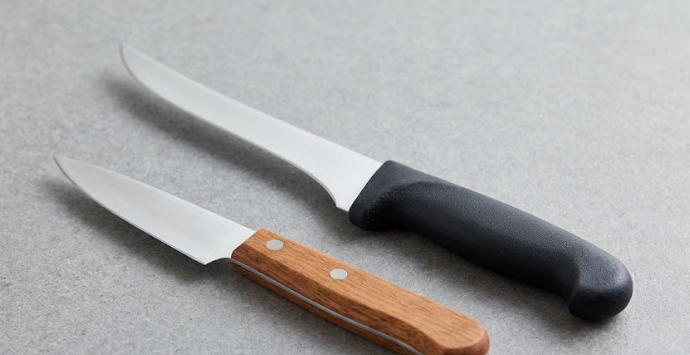
The difference between paring knife and boning knife is simple. One is for small fruits and veggies. The other is for raw meat and tough bone work. They do not overlap.
The paring knife has a short, stiff blade. The boning knife has a longer, thinner blade. It is often flexible. This helps it slide next to bones very easily. It works fast.
The handle design is also very different. A boning knife handle is thick and safe to hold. It does not slip when wet with meat juices. This keeps your hands safe.
A paring knife handle is much smaller. You hold it with just your fingers. This gives you a light touch for peeling tasks. It feels very natural in your hand.
| Feature | Paring Knife | Boning Knife |
|---|---|---|
| Blade Length | 2.5 to 4 inches | 5 to 7 inches |
| Blade Shape | Short and straight | Long, thin, and curved |
| Flexibility | Stiff | Stiff or flexible |
| Main Use | Peeling and small cuts | Deboning and meat prep |
Can You Use a Paring Knife as a Boning Knife?
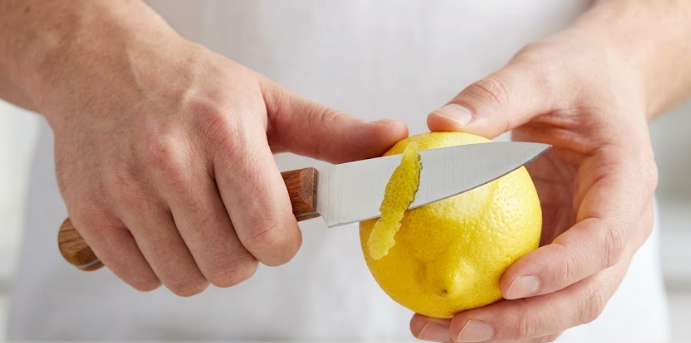
Can you use a paring knife as a boning knife? You should not do this. A paring knife is too short. It lacks the strength to cut around bones safely. It could snap.
If you cut meat with it, you might slip. The small handle does not protect your fingers. It is easy to hurt your hand on tough meat. Always use the right tool.
Can you use a boning knife to peel fruit? This is also a bad idea. A boning knife is too long and sharp. Peeling fruit with it can easily cut your hand. Be safe.
Using the wrong knife can also damage the blade. Hitting a bone can chip the thin metal. You will have to buy a new one. It is best to avoid this.
Do You Need a Boning Knife in Your Kitchen?
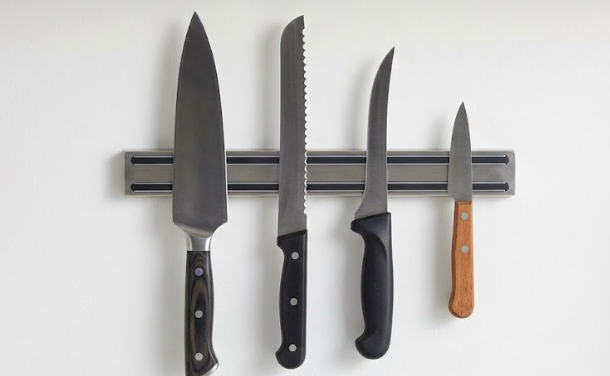
Do I need a boning knife? The answer depends on how you shop and cook. If you buy pre-cut meat, you may not need one. A chef’s knife handles basic tasks very well.
If you buy whole chickens, you need one. It will save you a lot of money. You can cut whole meats at home easily. It takes only a few minutes of work.
Think about how often you cook chicken. For whole birds, a boning knife is great. It lets you remove meat in a few seconds. It makes food prep very simple for you.
It also lets you save the chicken bones. You can use these bones to make fresh chicken stock. This is a great way to make tasty soups. Your family will love it.
Understanding kitchen knife types helps you build a great set. You do not need twenty knives. A few good tools are all you need. They will last you for many years.
A boning knife gives you more confidence. Cutting meat can feel scary with a large knife. A smaller, focused blade makes it feel much safer. You will love using it.
Pros and Cons of Each Knife
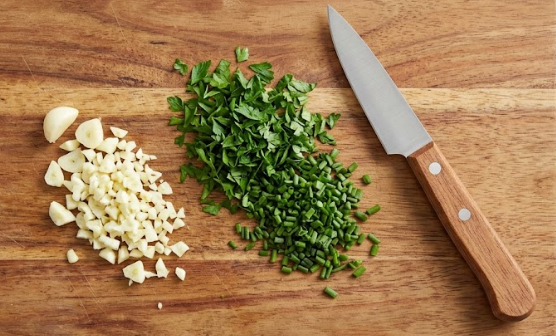
Let us look at the pros of a paring knife. It is cheap and easy to find. It is safe for small tasks. It is perfect for peeling fruit and cutting small vegetables.
The cons of a paring knife are simple. It is too small for big foods. Do not use it to cut large melons or meat. It will struggle with those hard tasks.
Now let us look at the pros of a boning knife. It makes meat prep fast. It saves meat from being wasted. It bends to get meat off the bone. It works great.
The cons of a boning knife are clear. It is a single-use tool. You cannot use it for chopping vegetables. It is too long and sharp for simple daily tasks.
How to Care for and Sharpen Your Knives
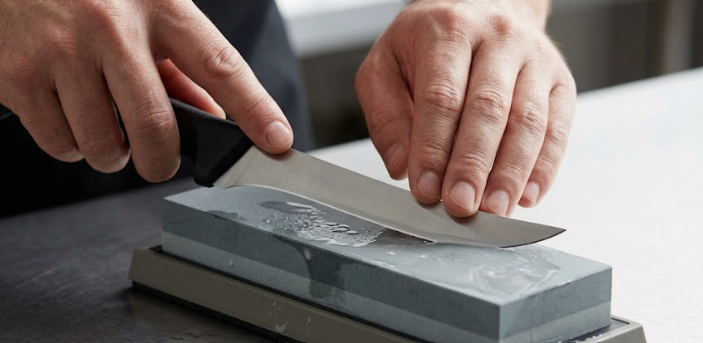
Both of these knives need proper care to last. Never put your kitchen knives in the dishwasher. Hot water and harsh soap will ruin the blade. Always wash them by hand.
Always wash your knives by hand with warm water. Use mild dish soap and a soft sponge. Dry them with a clean towel right away. This prevents rust from forming.
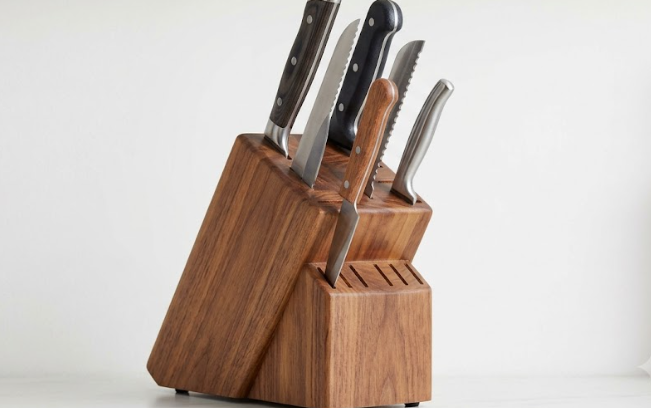
Store your knives in a safe place. Do not throw them in a drawer. They can rub against other tools and get dull. Use a knife block or magnetic strip.
Keep your blades sharp for safety. A dull knife is dangerous because it can slip. Use a honing steel weekly. Use a whetstone once or twice a year to sharpen.
Always use a wooden or plastic cutting board. Never cut on glass, stone, or metal counters. These hard surfaces will dull your blades fast. Use a soft surface instead.
Choosing the Right Handle Material
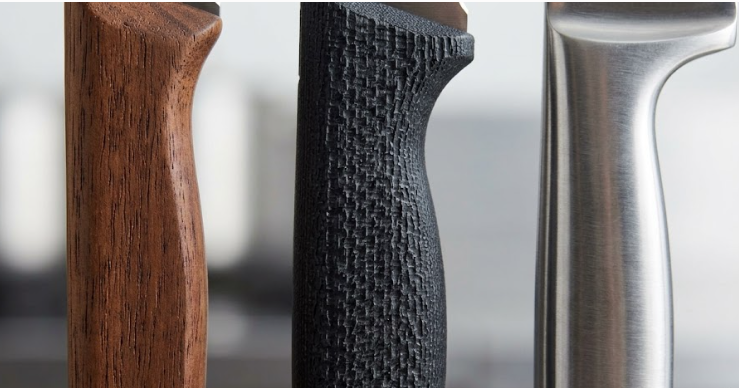
When buying a knife, look at the handle material. Wood handles look beautiful and feel warm. But they need special care. They cannot stay wet for a long time. Dry them fast.
Plastic or composite handles are very durable. They are easy to clean and feel safe. They offer a very secure grip. They are great for daily use in busy kitchens.
Metal handles are sleek and modern. They are very strong and easy to clean. They can get slippery when wet with oil. Be careful when you use them to cut meat.
Other Close Cousins: Fillet and Utility Knives
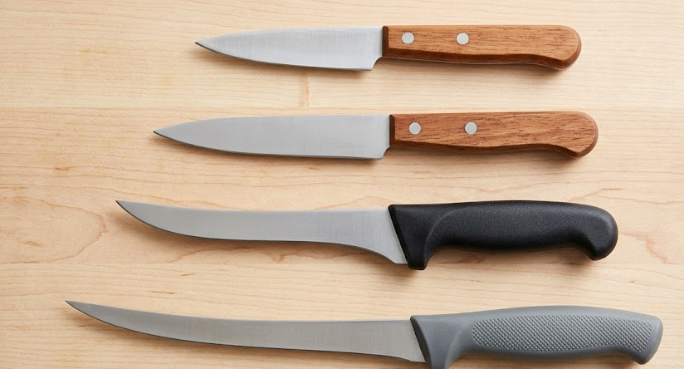
It helps to know about other similar knives. A utility knife is like a large paring knife. Its blade is five to six inches long. It is a great middle-ground tool.
A fillet knife is a close cousin to the boning knife. It has a very flexible blade. This makes it perfect for peeling skin off fish. It bends easily to follow the bones.
If you mostly cook fish, buy a fillet knife. If you cook chicken or beef, buy a boning knife. It has the strength to handle tough joints. It will not bend too much.
Which Knife Should You Buy First?
Most home cooks should buy a paring knife first. You will use it almost every day. It is perfect for quick daily prep work. It is very cheap to buy as well.
If you cook meat, buy a boning knife next. It will make your prep work much safer. It helps you save money on grocery bills. You can buy whole cuts easily.
You can BUY AMAZON today to find great prices. They have many good knives for your home kitchen. You can choose from the best brands online. It is very easy.
Final Verdict on Paring vs Boning Knives
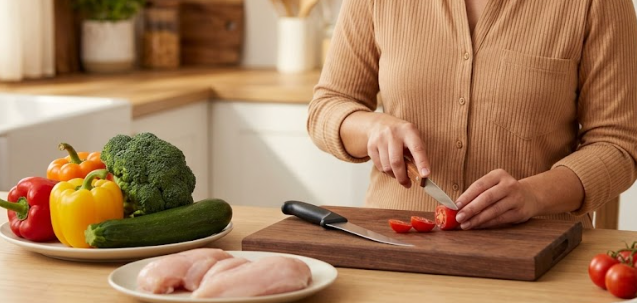
Both knives have a place in your kitchen. A paring knife is for fruit and veggies. It is cheap, safe, and easy to use. It helps you with daily prep.
The boning knife is a specialty tool. It is a must-have if you prepare your own meat. It makes cutting meat safe and simple. It is a great kitchen investment.
You can BUY AMAZON to browse top brands. The right tools make cooking much more fun. You will enjoy making meals for your family. Get your new knife today.
Frequently Asked Questions
Can you use a paring knife as a boning knife?
No, you should not. A paring knife is too short and stiff. It does not have the strength or hand protection needed to safely cut meat around bones.
Can you use a boning knife to peel fruit?
No, this is unsafe. A boning knife has a long, very sharp blade. Peeling small fruits with it can easily lead to accidental cuts on your hands.
What is the main use of a boning knife?
A boning knife is used to separate raw meat, poultry, and fish from bones and joints. It is designed to glide closely along bones to reduce food waste.
What is the main use of a paring knife?
A paring knife is used for small, detailed kitchen tasks. This includes peeling fruits and vegetables, coring apples, trimming stems, and slicing small ingredients.