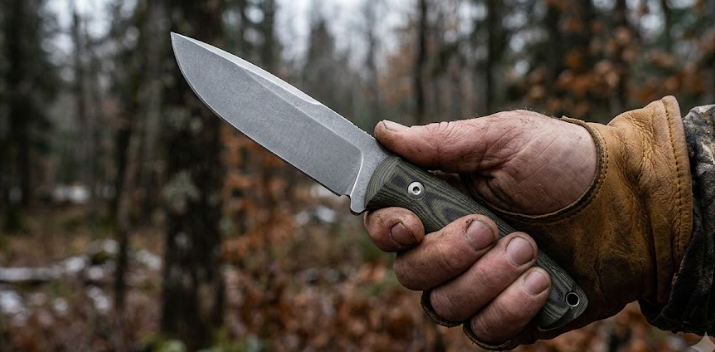
I spent years hunting in the cold woods. A bad knife ruins a good hunt. I learned that a sharp tool makes field dressing fast. My guide helps you find the perfect blade today. You need a tool that cuts clean. It must fit your hand well. It should not slip when wet. I will show you how to pick the best hunting knives. This helps your next big outdoor trip. We will look at blade shapes and strong steel. We will talk about sizes too. My tips will make your choice simple. You will feel ready for the field with your new gear today. A good knife keeps you safe in the wild. It will not slip when you cut thick hide. It will stay sharp through the whole job. This guide makes finding your next blade very easy.
Fixed Blade vs Folding Hunting Knife
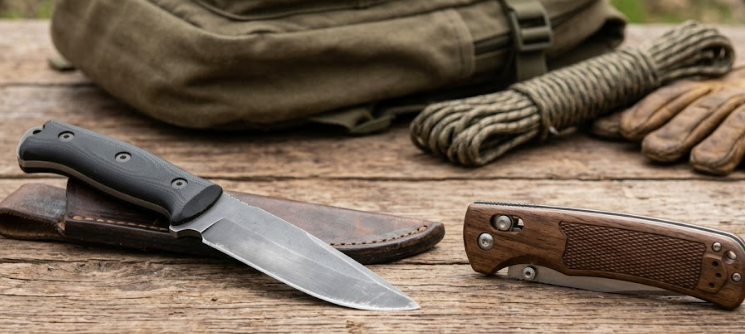
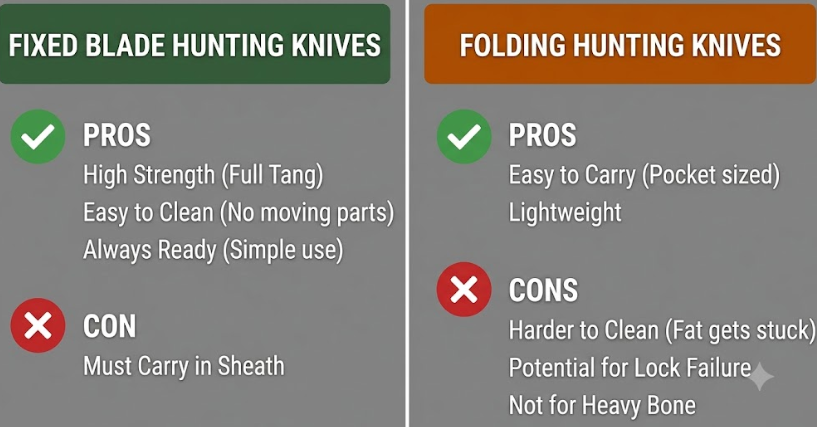
Context:“A side-by-side comparison of a full-tang fixed blade hunting…”A fixed blade hunting knife is very strong. The steel runs from the tip through the handle. This is called a full tang. It will not break when you cut through heavy bones in the field. Fixed blades are also very easy to clean. They have no moving parts. You just rinse the blood off the metal. This keeps your tool clean and safe for your next hunting trip. You must carry a fixed blade in a sheath. A good leather or plastic sheath keeps the blade safe. It hangs on your belt for quick use. It is always ready when you need it. A folding hunting knife is easy to carry. The blade folds right into the handle. You can slip it in your pocket. It is great for light camp chores and small game too. But folding knives can be hard to clean. Fat gets stuck in the handle. The lock can fail under pressure. If you need a backup folder, you can BUY AMAZON models today. A folding knife must have a strong lock. A weak lock can close on your fingers. This can cause a bad injury in the deep woods. Always choose a lockback style for safety today.
Common Blade Shapes and Their Uses
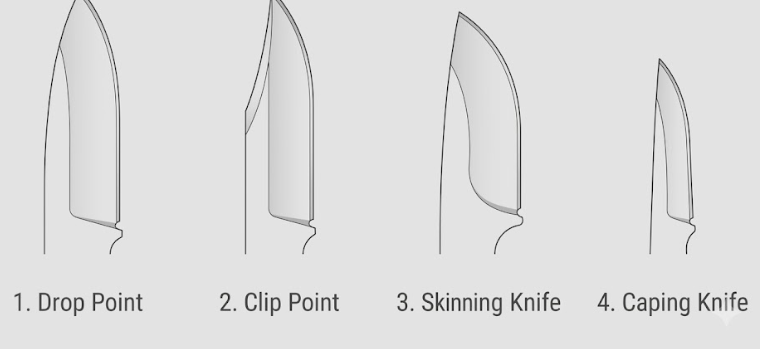
The Versatile Drop Point Blade
A drop point blade is the most popular style for hunting. The spine curves down slowly to meet the tip. This design gives you great control. It also prevents bad cuts in the meat today. This blade has a large curved belly. The belly is the rounded part of the edge. It is perfect for skinning game. I use my drop point for almost every whitetail deer hunt now. This shape is the most versatile hunting knife style. It can skin, gut, and quarter an animal. It is strong enough to split bones too. Every hunter should own at least one drop point.
The Precise Clip Point Blade
A clip point blade looks like the front part is cut off. This makes the tip very sharp. It is great for quick, precise cuts. You can dress your wild game fast now. However, the thin tip is not as strong. It can snap if you hit a hard bone. I do not use it for heavy work. It is best for small game like rabbits. But the clip point is excellent for detail work. It lets you get into tight spots easily. Many traditional pocket knives use this shape. It is a classic choice for many outdoor tasks.
Specialty Hunting Blades
A skinning knife has a very swept blade. It helps you peel the hide off fast. Some hunters like a gut hook knife. It has a small hook on the spine of the blade. The hook acts like a zipper on the belly. It cuts the skin without popping the guts. A caping knife is small. It is used to save the head for a wall mount. A trailing point blade is also great for skinning. The tip curves upward. This keeps the point out of the way. It lets you make long, clean cuts through thick hide very fast.
Selecting the Best Knife Steel
What is the Best Steel for a Hunting Knife?
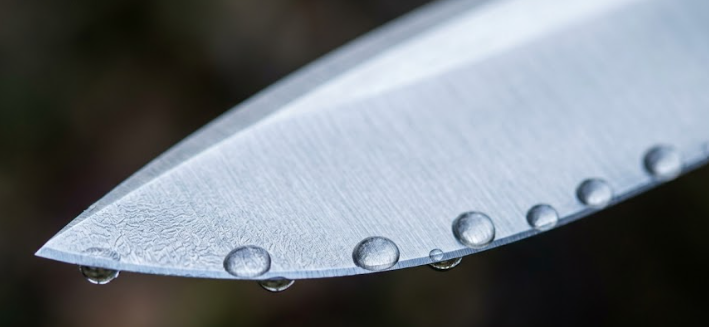
What is the best steel for a hunting knife? The answer depends on your needs. A good steel must hold a sharp edge. It also needs to resist rust when you hunt in the rain. There are two main types of steel. Carbon steel is very tough. It is easy to sharpen but can rust. Stainless steel resists rust well. It holds an edge longer but is harder to sharpen.
Premium Knife Steels
Many modern hunters love MagnaCut steel. It is very tough and holds an edge for a long time. It does not rust easily. This makes it the top choice for wet woods today. Another premium steel is S30V. It is a stainless steel made with powder metal. It holds a very sharp edge for a long time. It is perfect for processing large elk in the field.
Mid-Range and Budget Steels
Other popular metals are D2 and 420HC. D2 is hard and holds a sharp edge. 420HC is a great budget choice. It is easy to sharpen and resists rust very well now. Traditional carbon steel like 1095 is very tough. It is easy to sharpen on a stone. But it can rust if you do not dry it. Always oil your carbon steel blade today. A good steel makes field dressing game much easier. You do not have to stop to sharpen your blade. You can find great steel options. Go and BUY AMAZON knives today.
Choosing the Right Knife Size
What Size Knife is Best for Hunting?
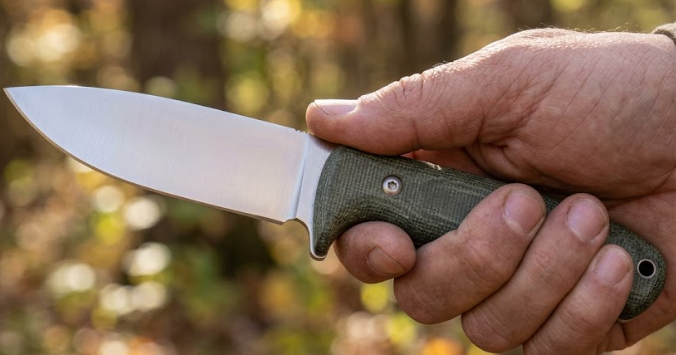
What size knife is best for hunting? Most hunters prefer a short blade. Three to five inches is perfect. A four-inch blade is the most versatile hunting knife size you can buy today. A small knife is very easy to control. You can place your finger near the tip. This helps you make precise cuts. It also prevents you from cutting the gut bag by mistake.
Why Large Knives Fail in the Field
Do not buy a giant knife. Large blades are hard to control. They can slip and cut you or ruin the meat. A small blade gives you much better control in tight spots. Large knives are only good for heavy camp tasks. They can chop wood or clear brush. But they fail at skinning and dressing. You will get tired quickly using a heavy knife all day.
Matching Knife Size to Your Game
For small game, a three-inch blade is best. For big game like elk, a five-inch blade works well. I pack a medium knife because it handles both tasks. This keeps my pack light. Some hunters carry two knives. They pack a small caping knife for detail work. They also carry a larger fixed blade for heavy cutting. This system works very well for big elk hunts.
Handle Materials and Grip Safety
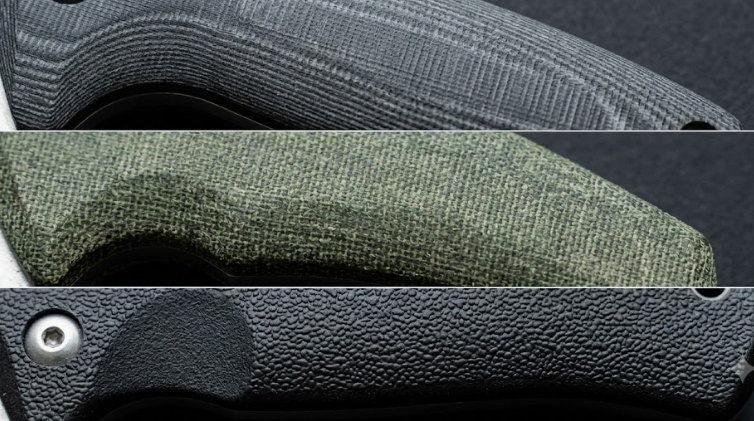
[A good handle is just as important as the blade. It must give you a secure grip. Blood and water make handles very slick. A bad grip can lead to dangerous slips. G10 and Micarta are the best handle materials. They are made of fiberglass or linen mixed with resin. They do not absorb water. They stay grippy even when they are wet today. Wood handles look beautiful and traditional. But wood can swell and crack in the rain. Rubber handles offer great grip and are very cheap. But rubber can wear out over time today.
Comparison of Hunting Knives
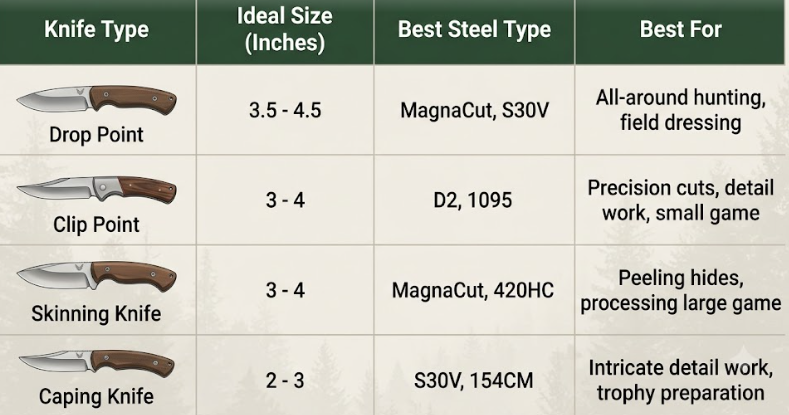
I made a simple table to help you compare. It shows different blade types and sizes. This will help you pick the best tool. You will be ready for your next hunt. This table lists the best uses for each style. It helps you see which knife fits your budget. Choose the one that matches your game. You will hunt much better today.
| Knife Type | Best Size | Best Steel | Main Use |
|---|---|---|---|
| Drop Point | 3.5 to 4.5 inches | MagnaCut, S30V | All-around hunting |
| Clip Point | 3 to 4 inches | D2, 1095 | Precision cuts |
| Skinning Knife | 3 to 4 inches | MagnaCut, 420HC | Peeling hides |
| Caping Knife | 2 to 3 inches | S30V, 154CM | Detail work |
Pros and Cons of Hunting Knives
What makes a good hunting knife? It must be very tough. It must be easy to use. Here are the pros and cons of buying a quality blade for your next hunt. A great hunting knife has many pros. It saves you time in the woods. It keeps its edge through a whole elk. It is safe because it does not slip from your hand. But good knives have some cons. High-quality steel can cost a lot of money. Brittle steel can chip on bone. Some blades are hard to sharpen without the right tools today. Cheap knives will dull fast. You must stop and sharpen them often. This is very hard work. You can BUY AMAZON knives that last for many years. A premium knife is a great investment. It will last a lifetime if you care for it. It makes field dressing fast and safe. The pros far outweigh the cons for serious hunters.
Conclusion & Final Verdict
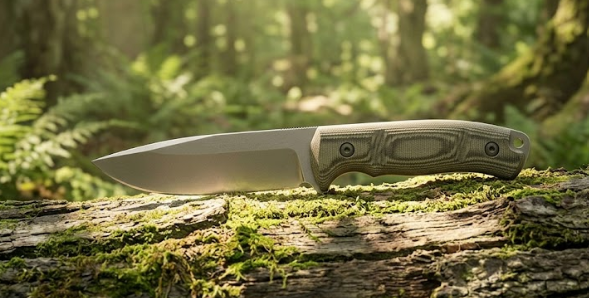
Selecting the right tool is vital. I always suggest a fixed blade drop point knife for deer. It is the most versatile hunting knife. It handles skinning and field dressing with ease today. Look for premium steel like MagnaCut if you have the budget. It will save you time in the woods. Keep your blade clean and dry. You will enjoy your hunting trips much more. A good knife is more than just steel. It is a trusted partner in the wild. Choose wisely and care for your blade. It will serve you well on every hunt for years.
Frequently Asked Questions
What is the best steel for a hunting knife?MagnaCut and S30V are the best steels. They hold a sharp edge for a very long time. They also resist rust well. These premium steels make field dressing game much easier today.
What size knife is best for hunting? A blade length of three to five inches is best. A four-inch blade is the most versatile size. It is small enough to control easily. It is strong enough for big game.
What is the most versatile hunting knife? A fixed blade drop point knife is the most versatile choice. It has a strong full tang design. The curved blade is perfect for skinning. It makes slicing wild game easy today.
What are the different types of hunting knives? The main types are fixed blades and folding knives. Specialty styles include skinning and caping knives. Each design is made for a specific task. This makes field work very fast.
Is a gut hook knife necessary for field dressing? No, a gut hook is not necessary. A standard drop point knife works well. But a gut hook makes opening the belly skin much faster. It is safer for beginners today.