When choosing low maintenance indoor plants, most people don’t fail because of a bad green thumb. They fail because they buy the wrong plant for their lifestyle. They bring home a fiddle-leaf fig because it looks incredible in a magazine spread, then watch it drop leaves for six months until they give up entirely. At Source Passion, we’ve spent over a decade writing about home decor, and this is the single most common pattern we see. Buy now in AMAZON
Low maintenance indoor plants are not a compromise. A snake plant in a terracotta pot can anchor a living room corner just as powerfully as anything that requires daily misting and filtered water. The plants in this guide are genuinely hard-to-kill, visually striking, and suited to real American homes with real schedules. Here’s exactly what you need to know before buying: which plants work best per room, how and when to water them, which ones are safe around pets, and where to find them without overpaying.
What Actually Makes a Plant Low Maintenance
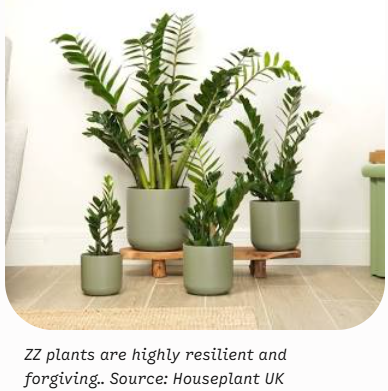
The phrase “low maintenance” gets thrown around loosely, so it helps to pin down what it actually means before spending money. Light tolerance, watering forgiveness, and resilience are the three factors that matter most. Light tolerance determines how far from a window a plant can realistically sit. Watering forgiveness determines how many missed waterings it can survive without suffering. Resilience determines whether it bounces back after a rough week or two. The plants in this guide score well on all three. Buy now in AMAZON
Drought-tolerant houseplants tend to have something else working in their favor: structure. ZZ plants, snake plants, and succulents store water in their stems, leaves, or underground rhizomes. That storage tissue is why they grow upright and architectural rather than floppy. It’s also what makes them naturally decorative without any extra effort on your part.
What Low Light Actually Means in a Home Setting
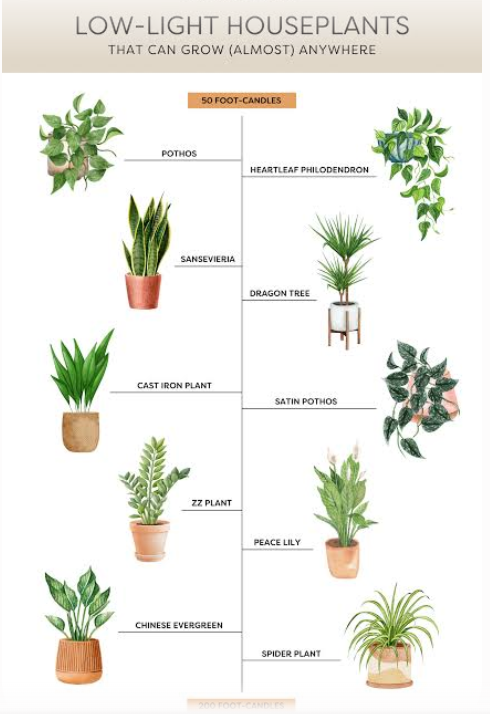
Low-light indoor plants still need some natural light. “Low light” means no direct sun exposure, not total darkness. In practical terms, a plant tolerating low light can sit 6 to 10 feet from a north- or east-facing window and stay healthy. A plant that needs indirect light wants to be within 3 to 5 feet of a window but shielded from direct rays. South-facing rooms with no window obstructions are considered bright indirect to full sun. Getting this distinction right is the single biggest factor in whether your plant survives the first year. Buy now in AMAZON
Why Sculptural Plants Are Easier to Style
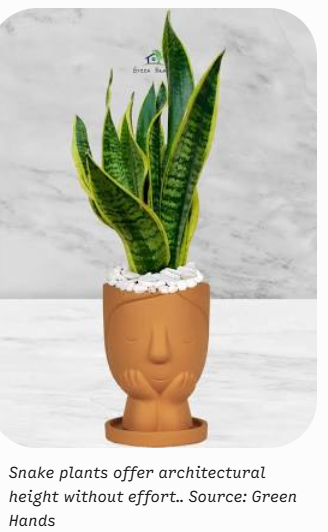
Most no-fuss houseplants also happen to be the most visually commanding ones in the room. The upright silhouette of a snake plant, the glossy oval leaves of a ZZ plant, the trailing vines of a pothos on a high shelf, all of these are plants that do the decorative work for you. You’re not fighting against the plant’s natural shape to make it look intentional.
Low Maintenance Indoor Plants for Your Living Room
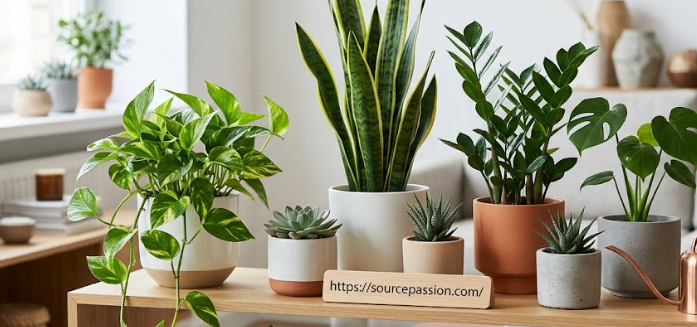
Living rooms call for plants with presence. This is the space where you’re going for layered, intentional styling, and the right plant can function like a piece of sculpture. The ZZ plant, the snake plant, and the pothos are among the best beginner houseplants for this space. Each handles lower light and irregular watering, and each brings a distinct visual personality. Buy now in AMAZON
ZZ Plant and Snake Plant: The Corner Plants That Deliver
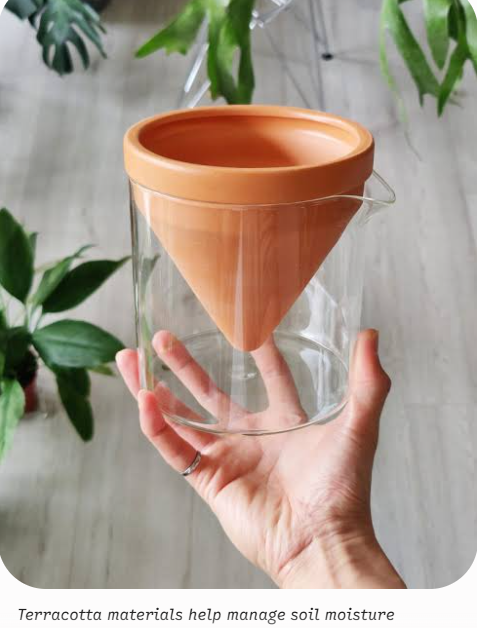
These two are the workhorses of low-maintenance indoor plant styling. The snake plant grows in tall, vertical spikes that add height to a corner without taking up floor space, which makes it ideal for smaller living rooms. The ZZ plant grows in arching stems with dark, waxy leaves that read as lush and intentional, even in a dim corner. Water every 2 to 6 weeks, cutting back to once a month or less in winter. Terracotta pots are your best ally here: the unglazed clay wicks moisture away from the roots and significantly reduces the risk of overwatering.
Pothos: The Trailing Plant That Makes Shelves Look Styled
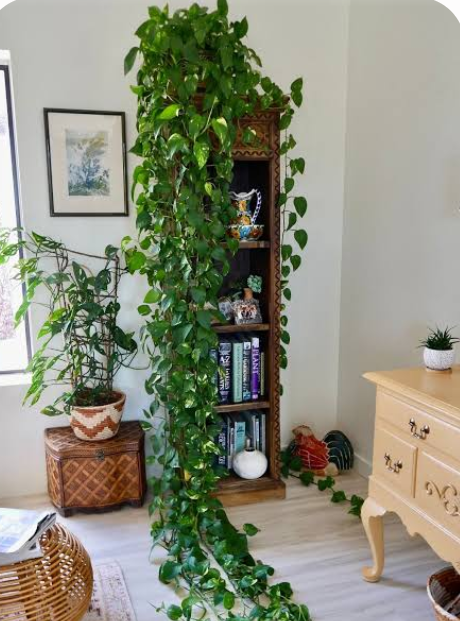
Pothos is the plant that makes bookshelves and floating shelves look finished. Let the vines trail over the edge of a high shelf or hang from a planter near a window, and it immediately softens the room. It tolerates indirect and lower light levels well and only needs water every 1 to 2 weeks when the top inch or two of soil dries out. One important note: pothos is toxic to cats and dogs. If you have pets, flag this before you buy and see the pet-safe section below for a direct substitute.
Easy-Care Picks for Bedrooms and Kitchens
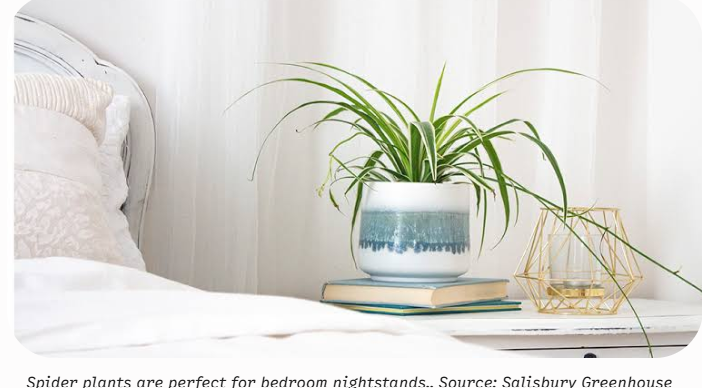
The right plant for a bedroom is different from the right plant for a kitchen. Bedrooms benefit from calming, air-quality plants that handle lower light conditions. Kitchens need compact varieties that can tolerate humidity swings, inconsistent temperatures, and the occasional forgotten watering during a busy week. At Source Passion covers both rooms extensively, and the plant recommendations below align directly with the styling approaches that work best in each space.
Bedroom Plants That Earn Their Spot on the Nightstand
Spider plants and peace lilies are the top two picks for bedrooms. Spider plants are remarkably hardy, fast-growing, and listed by the ASPCA as non-toxic to both cats and dogs, which matters in a room where pets often sleep. Peace lilies prefer indirect light and slightly more moisture than other easy-care houseplants, but their white blooms add a refined, calming quality that suits a bedroom better than most foliage-only options. Both support air quality, which is a genuine benefit in a space where you spend eight hours a night.
Kitchen Plants That Actually Survive the Chaos
Kitchens are harder on plants than most people expect. Temperature swings from the oven, humidity spikes from boiling water, and inconsistent light from overhead fixtures all take a toll. Indoor succulents and cacti on a south- or east-facing windowsill are among the most resilient options here, needing water only every 2 to 4 weeks. A Christmas cactus on a countertop adds color without demanding attention, and a compact African violet near natural light will bloom reliably without much intervention. These plants work with a busy kitchen rather than against it.
How to Care for Low Maintenance Indoor Plants
This is the part most plant guides skip over: the actual numbers. Here’s the cheat sheet for the plants covered in this article.
- Snake plants: water every 2 to 6 weeks, cutting back to once a month or less in winter.
- ZZ plants: every 3 to 4 weeks, only when the soil is completely dry all the way through.
- Pothos: every 1 to 2 weeks when the top 1 to 2 inches of soil feel dry.
- Spider plants: about once a week, keeping the soil lightly moist.
- Succulents: every 2 to 4 weeks, waiting until the potting mix is bone dry before adding any water.
Watering Schedules That Actually Work
The most practical rule is the finger test: push your finger an inch or two into the soil before watering. For pothos and spider plants, water when that top layer is dry. For ZZ plants, snake plants, and succulents, wait until the soil is dry several inches down. Calendar-based watering leads to overwatering in winter and underwatering in summer. The soil always tells you more than the date does. Terracotta pots reinforce this system by actively wicking moisture away from the roots, giving you a wider margin of error on timing.
What to Do When Leaves Turn Yellow or Pests Show Up
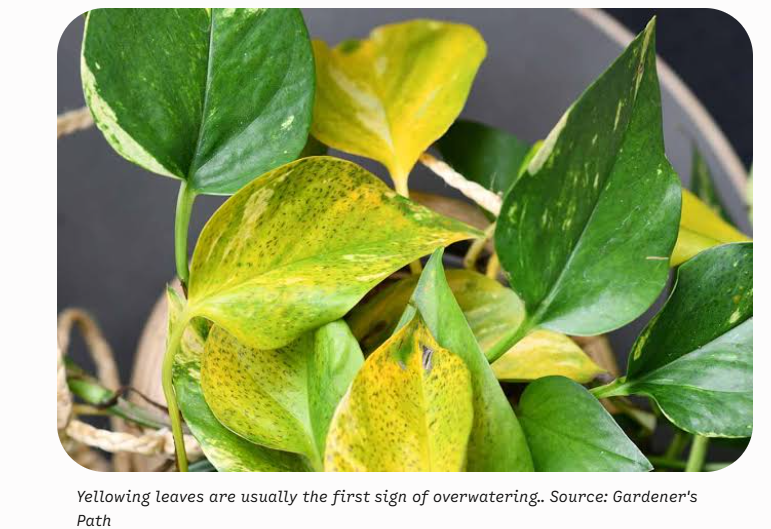
Yellowing leaves on hard-to-kill indoor plants almost always point to overwatering, not underwatering. Stop watering immediately, move the plant to a brighter spot with good airflow, and aerate the soil by poking it with a pencil or bamboo skewer to help the roots dry out faster. If the roots look mushy when you check the base, repot with fresh, well-draining mix and trim off any black or soft roots before replanting. For pests, isolate the affected plant the moment you spot anything, wipe down the leaves with a damp cloth or mild insecticidal soap, and increase airflow around the pot. Catching both problems early makes recovery straightforward.
Pet-Safe Low Maintenance Indoor Plants Worth Knowing
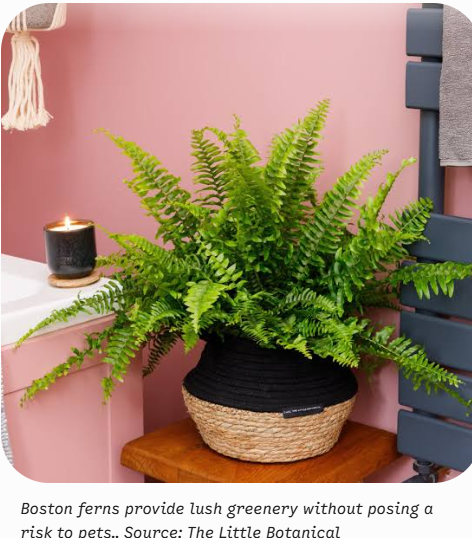
Several of the most recommended low maintenance indoor plants are also listed as toxic by the ASPCA, a detail most retail plant tags don’t mention prominently. Some of those popular picks are toxic to cats and dogs, and that matters when those pets share the same furniture as your plant shelf. The good news is that there are genuinely beautiful, easy-care alternatives for every toxic plant on this list.
ASPCA-Approved Plants That Are Easy to Care For
The ASPCA lists spider plant, Christmas cactus, parlor palm, African violet, Boston fern, and phalaenopsis orchid as non-toxic to both cats and dogs. All six are widely available at U.S. retailers and require minimal care. The spider plant in particular is one of the most forgiving beginner houseplants on the market: it tolerates irregular watering, adapts to low to medium indirect light, and produces trailing offshoots that are easy to propagate. One clarification worth making: “non-toxic” means these plants are not poisonous, not that consuming large quantities is harmless. Keep plants out of reach where you can, regardless of toxicity classification.
The Popular Plants to Avoid in a Pet Household
Pothos, ZZ plant, peace lily, and snake plant are all toxic to cats and/or dogs. These four also happen to be among the most commonly recommended easy-care houseplants, so this is a critical callout before you buy. If you have pets and want the same trailing effect as pothos, use a spider plant instead. For the vertical drama of a snake plant, a parlor palm gives similar height with a pet-safe profile. For the lush, dark foliage of a ZZ plant, a cast iron plant is a direct substitute that’s also ASPCA-listed as non-toxic.
Where to Buy These Plants in the U.S. and What to Pay
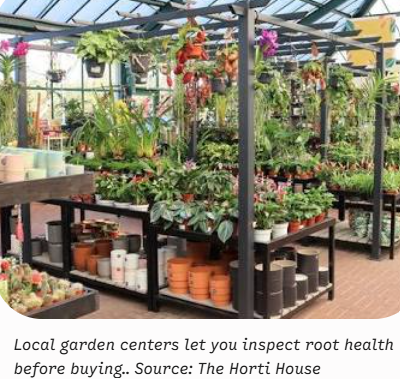
Your buying decision comes down to two priorities: whether you want to inspect the plant in person before purchasing, and how much you’re willing to spend. Both are valid, and the U.S. retail market covers the full spectrum.
Budget Picks at Home Depot and Lowe’s
Home Depot and Lowe’s are the right starting point for cost-conscious shoppers. Both carry major indoor plant brands including Costa Farms, and common varieties like snake plants and ZZ plants typically land in the $7 to $20 range depending on pot size. The main advantage here is buying in person: you can check root health, look for pests, and choose the specific specimen that appeals to you. Stock varies by location and season, so selection in December will look different from what you’ll find in April.
Premium Options for a More Curated Experience
Bloomscape and The Sill ship plants potted and ready to place, which eliminates the transplant stress that can come with big-box purchases. Bloomscape prices start higher, with options like a ZZ plant around $139, while The Sill offers starter plants from roughly $39 with free shipping on orders over $99. The premium is real, but so is the convenience: plants arrive with care cards, in presentable condition, and sized appropriately for shelf or table placement. For a first-time buyer who wants a reliable result without a trip to the garden center, either option is a reasonable investment.
Pick Your Plant, Then Style It Well
Adding one or two low maintenance indoor plants is one of the most cost-effective upgrades you can make to any room. A $15 snake plant in the right corner does more visual work than most decorative objects at the same price point. The approach is straightforward: match your plant to the room’s light conditions, pick a pet-safe variety if that applies to your household, and choose a retailer that fits your budget and shopping preference.
Once you’ve made the purchase, how you style the plant matters just as much as keeping it alive. The pot material, the surface height, the surrounding objects: all of it affects whether the plant reads as a deliberate design choice or an afterthought. At Source Passion, the room-by-room decor guides in the living room, bedroom, and kitchen sections go deep on exactly that, how to integrate greenery into a styled space so it looks like it was always meant to be there. That’s where to go next once your low maintenance indoor plants are home and settled.