You need a good knife to cook well. A dull blade makes kitchen work hard. A sharp tool makes cooking fun. The Santoku knife is one of the best tools you can buy. It is safe and easy.
This Japanese kitchen knife is great for beginners. It is light in your hand. It has a flat blade. This shape helps you cut food with ease. You do not need to be a chef to use it.
I will show you how to use this tool. You will learn what it does best. This guide will show you how to chop, slice, and dice. Soon you will cook like a pro.
What Is a Santoku Knife?
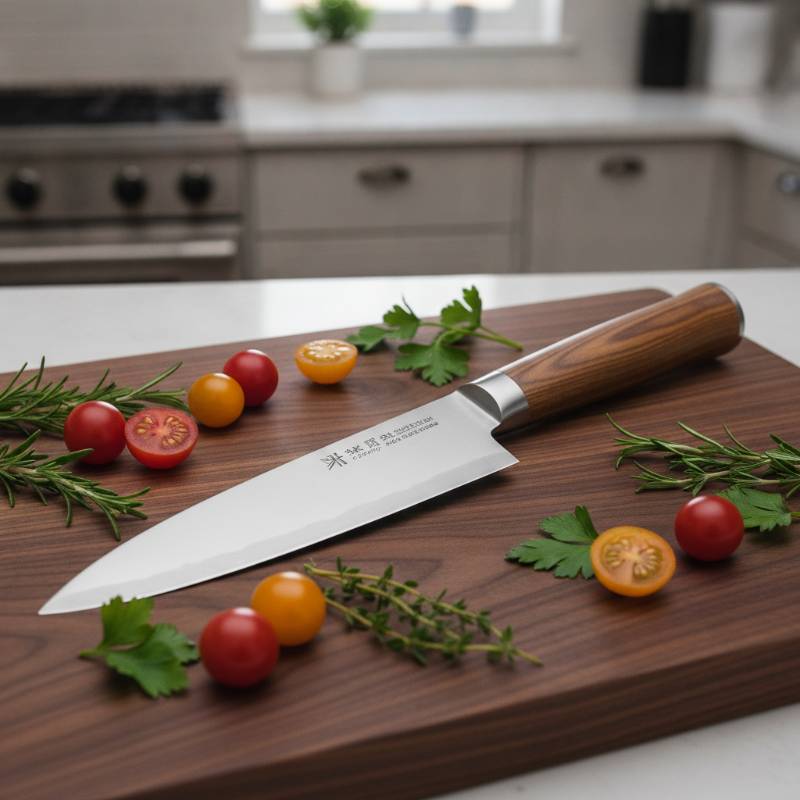
The Santoku is a general purpose kitchen knife. It comes from Japan. The word Santoku means three virtues. This refers to the three tasks it does best. It is a very handy tool.
This knife was made in Japan after World War Two. Families wanted one knife to do everything. It mixes a Western chef knife with a Japanese vegetable knife. The result is a great hybrid blade.
Most of these knives are six to seven inches long. This is shorter than a Western chef knife. The short size gives you more control. It feels safe for people with small hands.
The blade is also very thin. A thin blade cuts food clean. It does not squash soft food. You can get a high quality one like this Santoku knife on Amazon to start.
The Three Virtues of Santoku
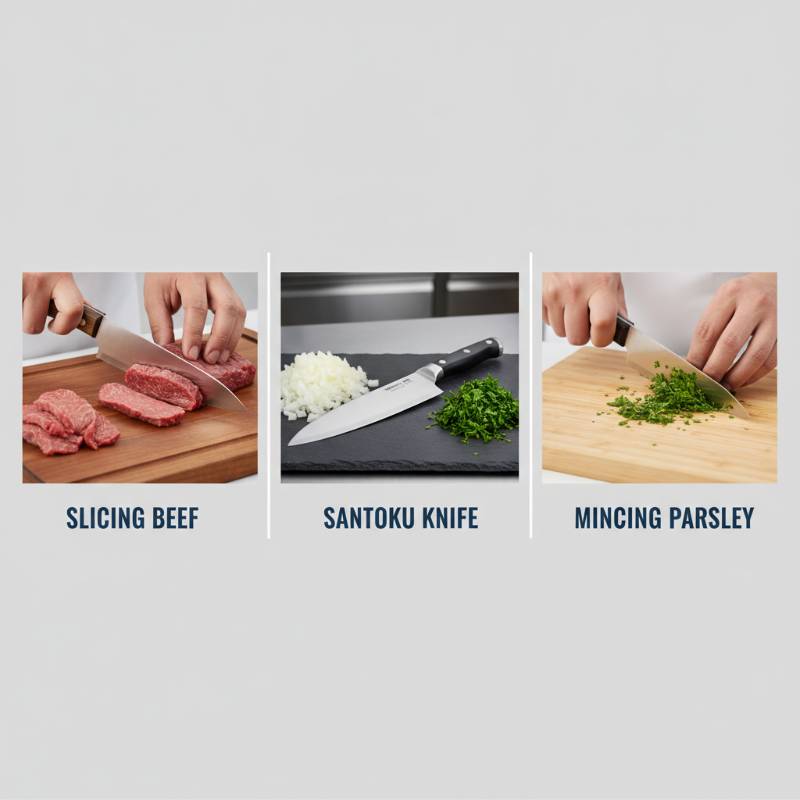
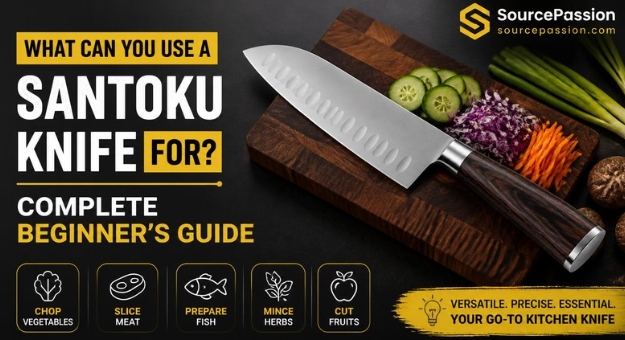
What is a santoku knife used for in daily cooking? The name holds the answer. The three virtues of santoku mean three main uses. These are slicing, dicing, and mincing. It does them all well.
Another meaning refers to the foods you cut. It is great for meat, fish, and vegetables. You do not need to switch knives. This single tool can handle your entire meal prep.
First, it excels at slicing. You can make thin cuts of meat. You can slice fish for sushi. The sharp edge slips through food. It does not tear or rip the delicate flesh.
Second, it is great for dicing. You can chop onions fast. You can cut carrots into neat cubes. The flat edge hits the board flat. This means no half-cut pieces are left behind.
Third, it is perfect for mincing. You can mince garlic into tiny bits. You can chop fresh herbs very fine. The blade is wide. This helps you scoop up the food when done.
Key Features of the Santoku Blade
Sheep’s Foot Blade Shape
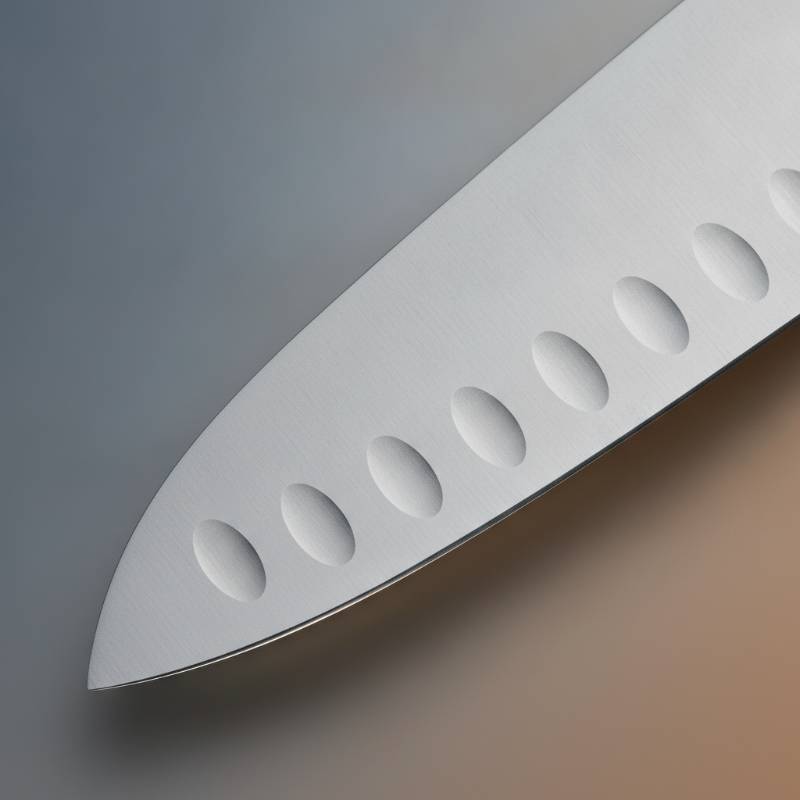
The tip of this knife is very unique. It has a sheep’s foot blade shape. The top spine of the blade curves down to meet the edge. This means there is no sharp point.
This shape makes the knife very safe to use. You are less likely to poke yourself. It also keeps the blade strong. The tip does not break easily like other kitchen knives.
Why Does a Santoku Knife Have Dimples?
You may see small dents on the blade. This is called a granton edge blade. Why does a santoku knife have dimples? These small dents create pockets of air between the steel and your food.
This air stops wet food from sticking to the knife. Potatoes and cucumbers will slide right off. It makes your prep work much faster. You do not have to stop to wipe the blade.
Flat Edge Profile
A Western knife has a curved edge. The Santoku has a very flat edge. This flat shape means you do not rock the knife. Instead, you use a simple up and down motion.
This flat edge makes it easy to make clean cuts. The whole blade hits the wood at once. It is great for fast chopping. You will love how neat your food looks.
What Can You Use a Santoku Knife For?
Can You Cut Meat with a Santoku Knife?
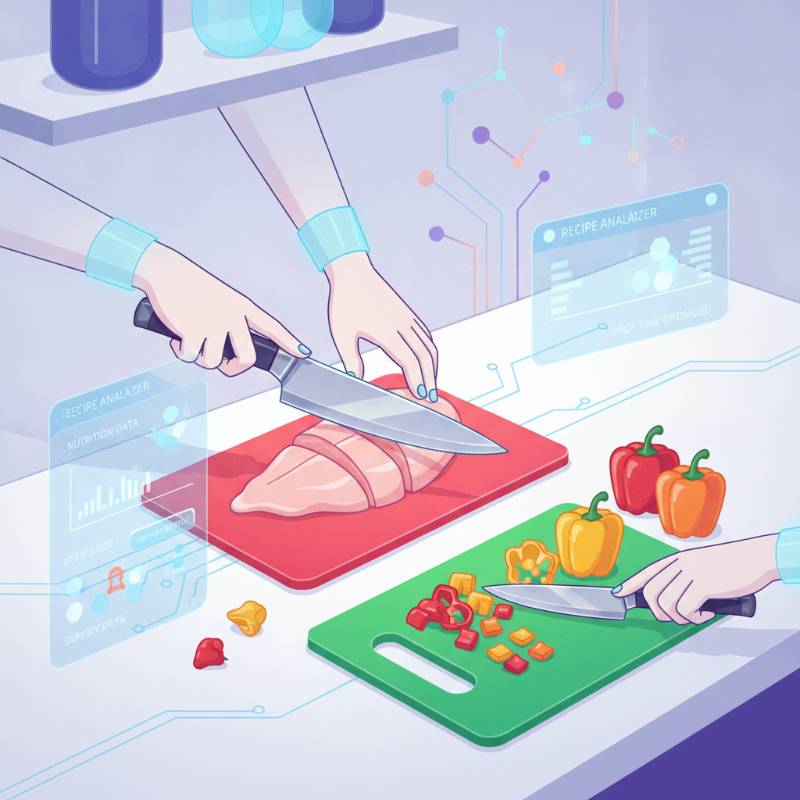
Yes, you can cut meat with a santoku knife. It is great for boneless meats. You can slice raw chicken or beef with ease. The thin blade cuts through protein like butter.
But do not use it to cut bones. Hard bones can chip the thin steel. Use a heavy cleaver for bones instead. Keep your Santoku for soft meat and clean slices.
Chopping and Dicing Vegetables
This knife is a star when prepping vegetables. It is like a nakiri, the Japanese vegetable knife. You can chop crisp carrots, celery, and onions. The flat edge makes clean cuts.
It is also great for soft items like tomatoes. The super sharp edge cuts the skin without squashing the inside. You get neat slices every single time. It makes salads look beautiful.
Mincing Fresh Herbs
Do you love fresh herbs? Use this knife to mince parsley, cilantro, or basil. The flat blade cuts straight down. It does not bruise the leaves. Your herbs stay green and fresh.
You can also use the wide blade to scoop up the chopped herbs. Just slide the blade under them. Then carry them to your pot. It saves you time and keeps counters clean.
Santoku Knife Cutting Techniques
The Push Cut
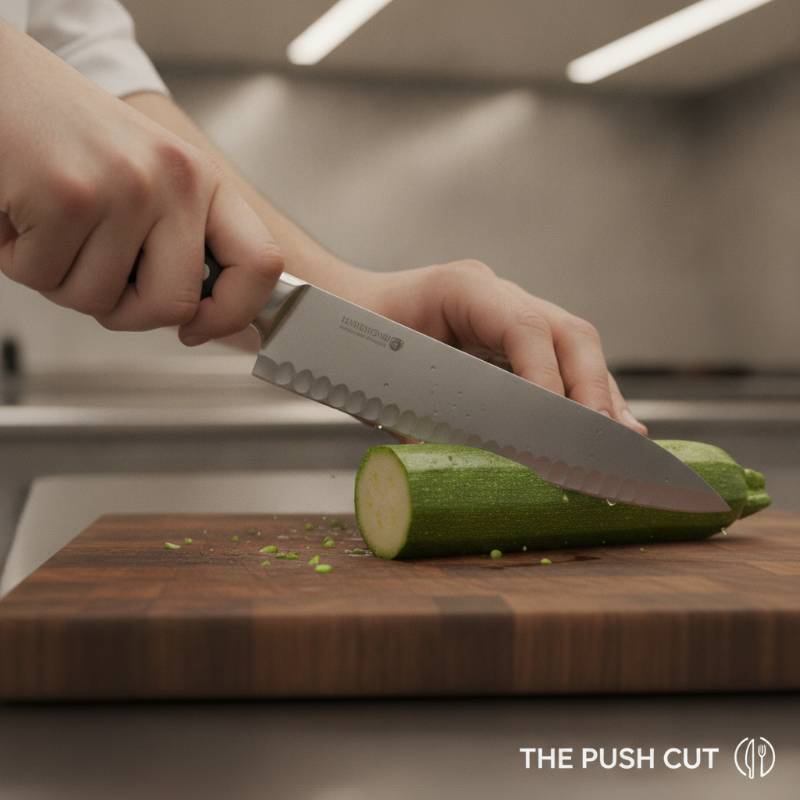
Western knives use a rocking motion. But Santoku knife cutting techniques are different. The best way is the push cut. You push the knife forward and down at the same time.
This motion uses the flat edge of the blade. It cuts through the food in one clean stroke. It is very easy on your wrist. You can chop for a long time without getting tired.
The Tap Chop
Another great method is the tap chop. You lift the blade straight up. Then you bring it straight down on the food. It makes a nice tapping sound on your wooden board.
This technique is super fast. It is perfect for celery, green onions, and carrots. Just make sure to keep your fingers tucked in. Safety always comes first in the kitchen.
Santoku vs Chef Knife
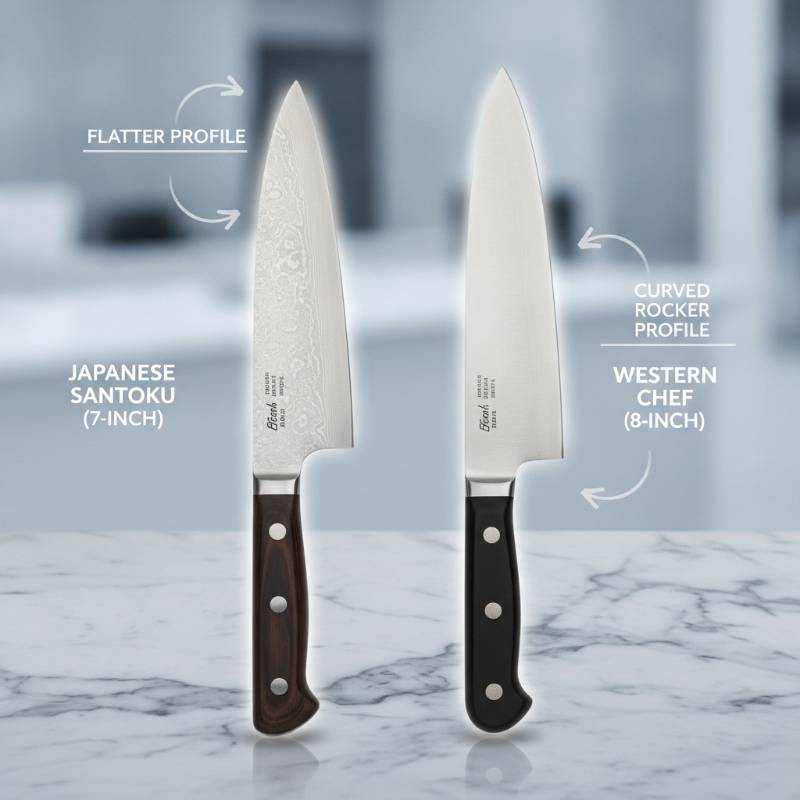
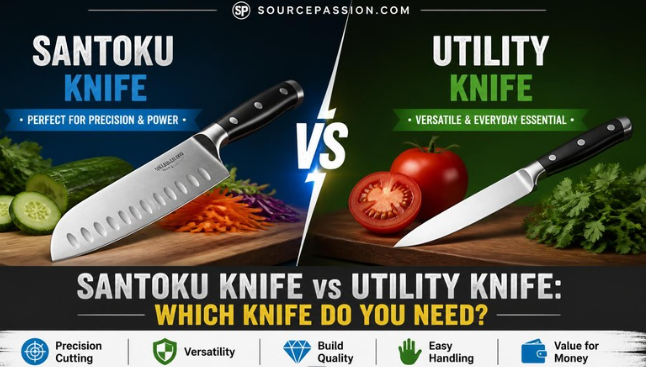
Many people ask about santoku vs chef knife differences. Both are a general purpose kitchen knife. But they do things in different ways. The main difference is the shape of the blade.
A Western chef knife has a curved edge. It is made for rocking cuts. It is also longer, usually eight inches. It is heavier and has a thick blade for tough jobs.
The Santoku has a flat edge and is lighter. It is easier to hold for a long time. If you want a great entry tool, try this Santoku knife on Amazon.
Gyuto vs Santoku
You may also hear about gyuto vs santoku knives. Both are Japanese kitchen knives. The gyuto is the Japanese version of a Western chef knife. It has a curved blade tip.
The gyuto is longer than the Santoku. It is better for slicing large cuts of meat. But the Santoku is better for tight kitchen spaces. It is also easier for beginners to control.
Is a Santoku Knife Better Than a Chef’s Knife?
So, is a santoku knife better than a chef’s knife? The answer depends on your style. If you like to rock your knife, choose a chef knife. It works best for that.
If you want thin slices and fast chopping, the Santoku wins. It is light and very sharp. Many home cooks find it more comfortable. It is a great everyday choice.
| Feature | Santoku Knife | Chef’s Knife |
|---|---|---|
| Blade Edge | Flat | Curved |
| Blade Length | 6 to 7 inches | 8 to 10 inches |
| Weight | Light | Heavy |
| Best Motion | Push Cut | Rocking Cut |
Pros and Cons of a Santoku Knife
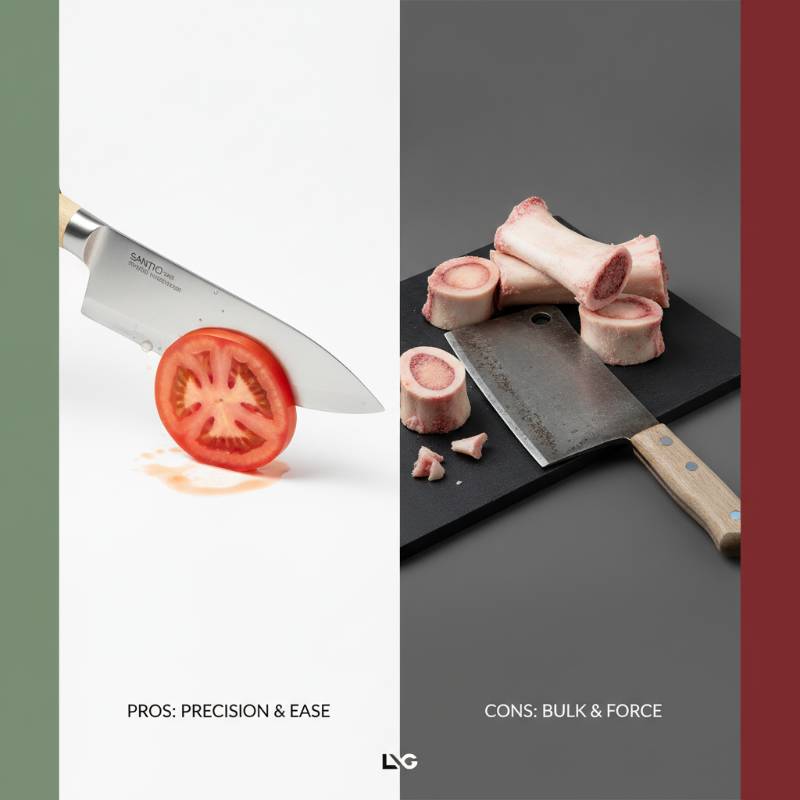
Pros of Using a Santoku Knife
First, these knives are very light. This makes them easy to hold. You will not feel pain in your hand after cooking. It is perfect for long food prep sessions.
Second, they offer great precision. The thin blade allows you to make paper thin slices. This is wonderful for making salads or prep work. Your food will look very amazing every time.
Third, food does not stick to the blade. The dimples on the side create air pockets. This keeps wet vegetables from clinging. You can keep cutting food without any stops now.
Cons of Using a Santoku Knife
First, you cannot cut bones or frozen food. The thin blade can chip on hard items. You must use a heavy tool for those jobs. Keep this knife for soft foods.
Second, you cannot use a rocking motion. The flat edge does not rock well on the board. If you love that style, this knife might feel very strange at first use.
Third, the blade is shorter. It is usually six or seven inches. This means it is not ideal for cutting huge melons. A long chef knife is better for massive items.
How to Choose the Right Santoku Knife
Steel Type
You will find knives made of different steel. High carbon steel stays sharp for a very long time. But it needs extra care because it can rust. Stainless steel is easier to clean.
For beginners, stainless steel is the best choice. It is strong and does not rust easily. You can use it daily without worry. It is a great way to start your journey.
Handle Design
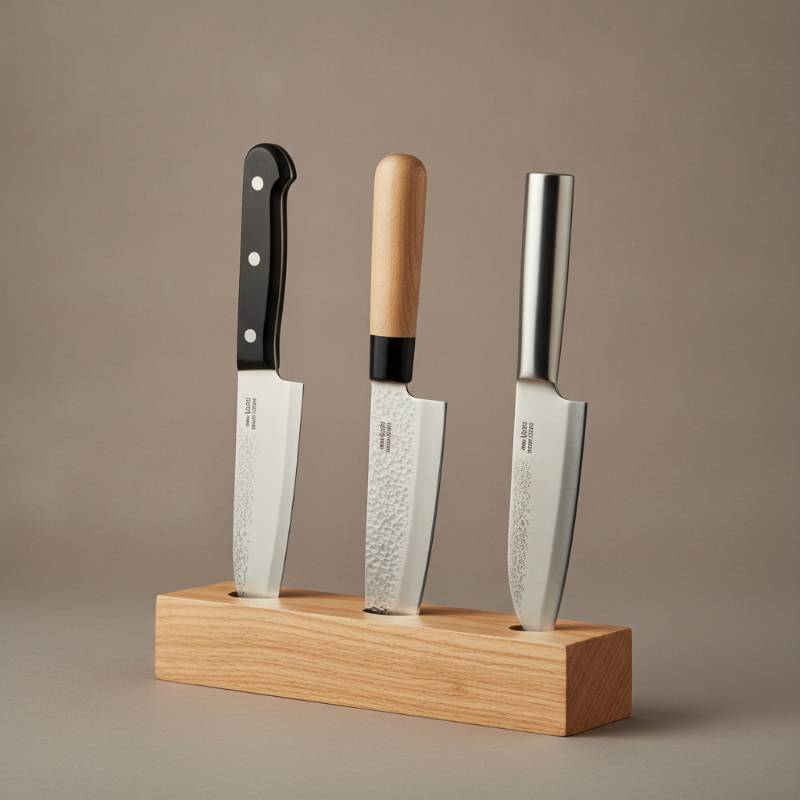
There are two main handle styles. Traditional Japanese handles are made of wood. They are round or light. Western handles are made of plastic or heavy wood. They feel more solid.
Choose a handle that feels good in your hand. It should not feel too heavy or too light. Try to hold one before you buy. This ensures a nice grip every time.
Blade Length
Most of these tools are seven inches long. This is the perfect size for most home cooks. But you can find smaller ones that are five or six inches long too.
Smaller blades are great for people with tiny hands. They are also good for tight prep spaces. Choose the size that makes you feel safe and sure in the kitchen.
How to Care for and Sharpen a Santoku Knife
Proper care keeps your Japanese kitchen knives in top shape. Always hand wash your knife with warm water and soap. Never put it in the dishwasher. The heat can ruin the handle.
Dry the blade with a towel right away. This stops rust from forming on the steel. Store it in a knife block or on a magnetic strip. Do not throw it in a drawer.
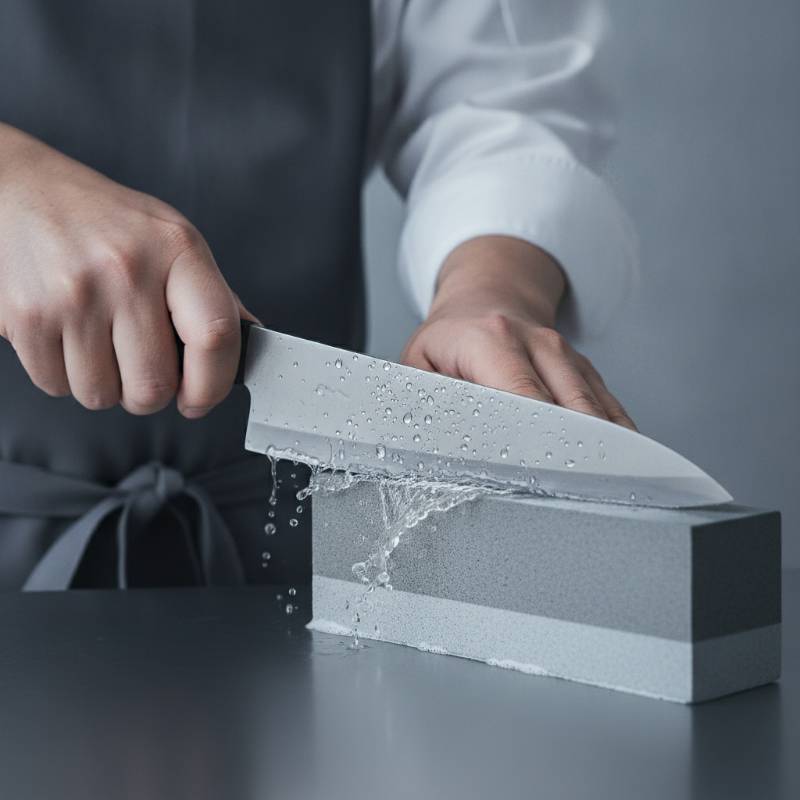
You must also learn how to sharpen a santoku knife. Use a water whetstone for the best results. Hold the blade at a fifteen degree angle. This is a very sharp angle.
Gently slide the edge across the wet stone. Do this on both sides of the blade. A sharp knife is much safer than a dull one. It will make cooking feel easy.
Final Thoughts on the Santoku
The Santoku is a wonderful tool for any kitchen. It is light, sharp, and easy to use. It helps you chop, slice, and dice with great speed. It is perfect for home cooks.
If you want to upgrade your meal prep, this knife is the best start. You can find this Santoku knife on Amazon to add to your kitchen today. Happy cooking!
Frequently Asked Questions
What does Santoku mean?
The word Santoku translates to “three virtues” or “three uses”. This refers to the knife’s ability to handle three main kitchen tasks: slicing, dicing, and mincing. It can also refer to cutting meat, fish, and vegetables.
Can you cut meat with a Santoku knife?
Yes, you can cut boneless meat with a Santoku knife. It excels at slicing chicken, beef, or pork into thin strips. However, you should never use it to cut through bones, as this can chip the blade.
Why does a Santoku knife have dimples?
The dimples on the blade are called a Granton edge. They create small air pockets between the steel and your food. This stops wet foods, like potatoes or cucumbers, from sticking to the blade as you chop.
How often should you sharpen a Santoku knife?
You should sharpen your Santoku knife every few months, depending on how often you use it. Regular honing with a ceramic rod can keep the edge sharp between sessions on a whetstone.