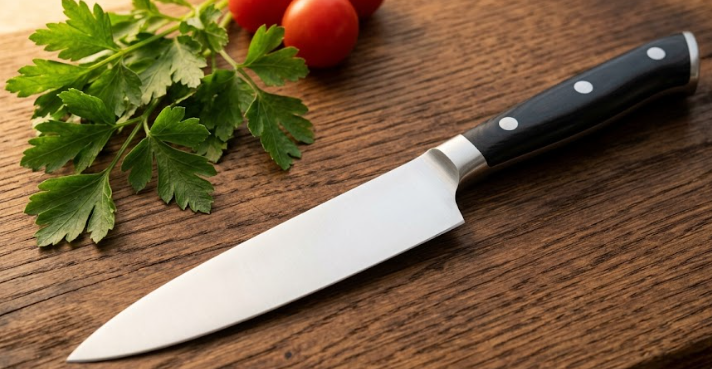
You need good tools to cook well. A small knife can help you. It is not too big. It is not too small. It fits right in your hand. You will love using it.
Many cooks do not know this tool. They use a big blade for everything. That can be hard. This middle tool makes daily prep work very easy. It saves you time and effort.
You can use it for many tasks. It cuts cheese and small meats fast. It is great for daily meals. Let us look at what makes this tool so special for your home.
What is a Kitchen Utility Knife?
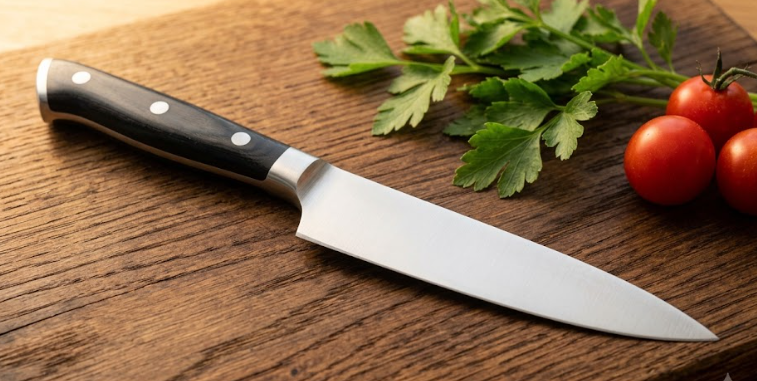
This tool is a mid-sized blade. It is longer than a paring tool. It is shorter than a chef blade. It is the perfect size for food preparation tasks.
Most of these tools have a thin blade. The blade is four to seven inches long. A 5 inch utility knife is common. It is in a kitchen knife set.
This tool is light and easy to hold. It does not feel heavy in your hand. You can move it with great control. It is made for quick and precise cuts.
Some people call this tool a prep knife. In Japan, cooks call it a petty knife. No matter the name, it is a great help when you make your meals.
What is a Kitchen Utility Knife Used For?
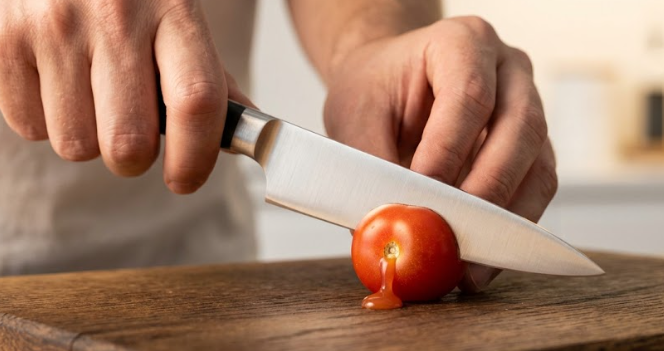
You might ask what is a kitchen utility knife used for. It excels at medium tasks. It is perfect for foods that are too big for a tiny paring tool.
You can use it to slice fresh fruit. It cuts through apples and pears with ease. It is also great for cutting citrus. The thin blade slides through fruit fast.
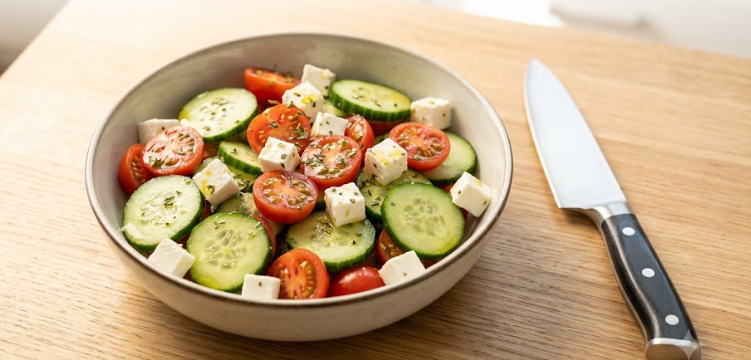
It is also perfect for small vegetables. You can dice shallots or cut green onions with it. It makes clean cuts through cherry tomatoes. Your food prep will look great.
This tool is also good for light meat prep. You can trim fat off chicken thighs easily. You can slice small blocks of cheese for a snack. It is very handy.
It is not for heavy bones or big squash. Use a larger blade for those tough jobs. This tool is for light, quick cuts. It keeps your prep work fun.
Chef Knife vs Utility Knife
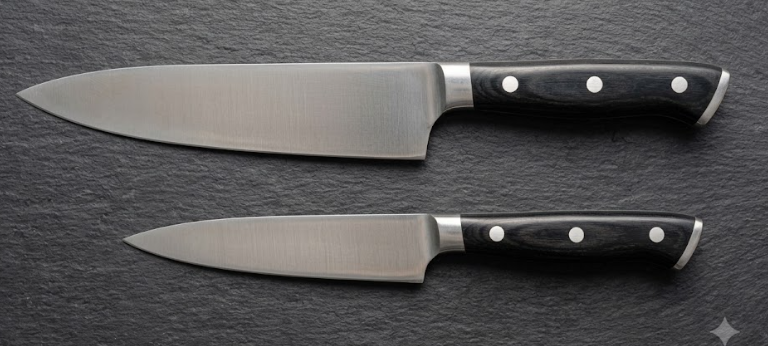
How does a chef blade differ from this tool? The main difference is the size and weight. A chef blade is big and heavy. It is made for hard tasks.
A chef blade is eight to ten inches long. It has a wide spine. You use it to chop big vegetables. You can use it to cut large pieces of meat.
The utility tool is much smaller and lighter. It is usually five inches long. It has a narrow blade. This thin shape makes slicing very easy. It cuts very fast.
For chef knife vs utility knife, think of power. The big blade gives you power. The small blade gives you speed and precision. Both are great to have in your home.
Paring Knife vs Utility Knife
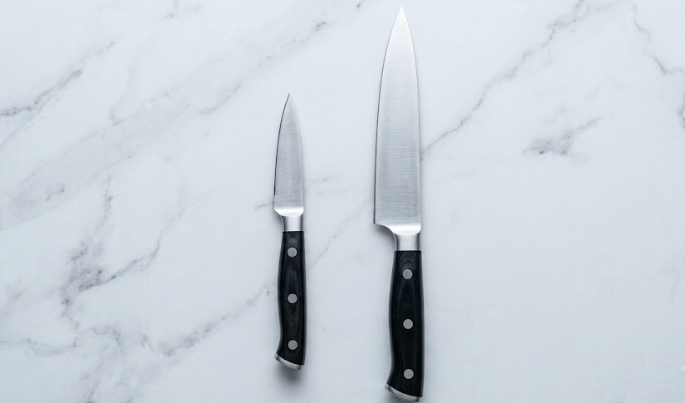
blade is only two to four inches long. It is made for detail work.
You use a paring tool off the cutting board. You use it to peel apples in your hand. You use it to core strawberries. It is too small to slice foods.
The utility tool is longer and has more reach. You use it on the cutting board. It can cut a whole apple on the board. A paring tool cannot do that.
The utility tool is more versatile on the board. The paring tool is best for hand work. Both are great in a kitchen knife set. They make food prep easy.
Do You Need a Utility Knife in the Kitchen?
Do you need a utility knife in the kitchen? The answer is yes. Many cooks find they use this tool more than any other. It is perfect for quick meals.
Without a mid-sized blade, cooking can be hard. A big blade is awkward for small fruits. A tiny blade will not cut cheese well. You always need the right tool.
This middle tool fills the gap. It is light enough for quick work. It is long enough to handle most lunch and snack prep. It makes cooking flow better.
You will save your big blades for heavy work. This keeps your big blades sharp for longer. It also makes cleanup fast because the small tool is easy to wash.
How to Choose the Best Kitchen Utility Knife
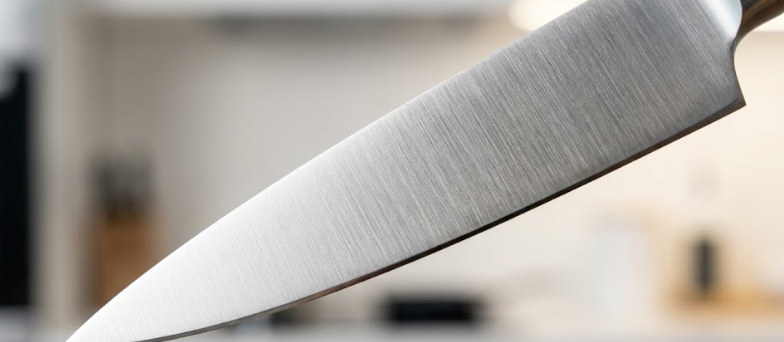
You must look at the blade material first. A high carbon stainless steel blade is the best choice. This metal stays sharp for a long time. It does not rust.
High carbon steel is strong and holds a fine edge. Stainless steel keeps the blade safe from wet foods. This blend of metals gives you the best of both.
Next, think about the size. What is the best size for a kitchen utility knife? A 5 inch utility knife is often the sweet spot. It is easy to control.
A six inch blade is also good if you want more reach. But five inches is best for most home cooks. It feels very safe and light in your hand.
Look at the handle too. It should feel good in your hand. It should not slip when wet. A good grip keeps you safe while you cut your fresh food.
Serrated Utility Knife vs Straight Edge
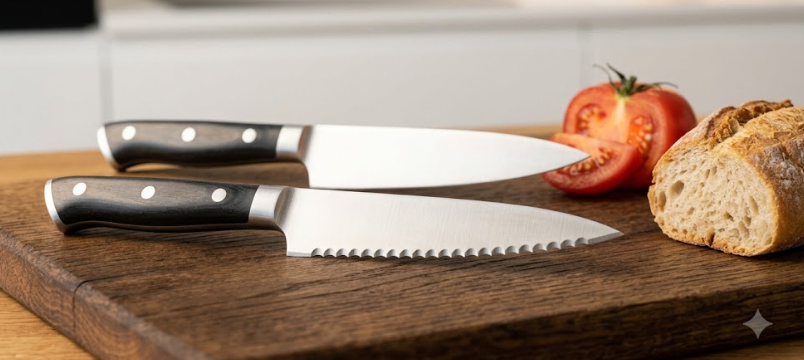
There are two main types of edges. You can get a straight or serrated utility knife. Each type is good for different prep tasks. They both help you cook well.
A serrated blade has teeth. It is great for foods with tough skins and soft middles. It cuts through tomatoes and small bread rolls easily. It does not crush them.
A straight edge is smooth. It makes very clean cuts. It is best for slicing cheese, trimming meat, and dicing herbs. It is much easier to sharpen than teeth.
Most home cooks prefer a straight edge for general prep. But a serrated blade is a great second tool. It is very helpful for quick lunch and sandwich prep.
Petty Knife: The Japanese Version
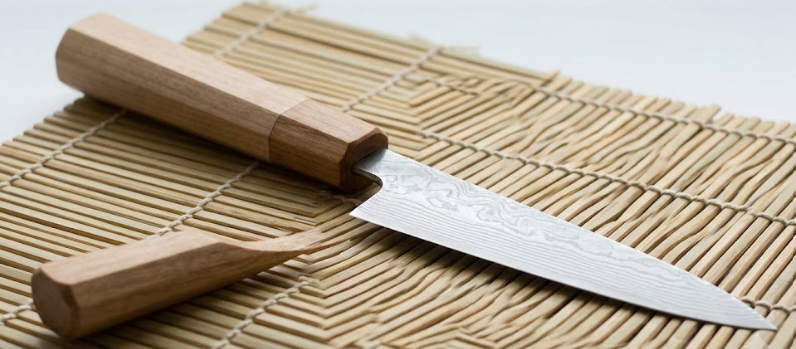
You may hear the term petty knife. This is the Japanese version of the utility tool. It is very thin and extremely sharp. It is built for high precision.
Japanese blades use very hard steel. This allows the edge to be ground very thin. It glides through food with almost no effort. It is a favorite of chefs.
A petty tool often has a wood handle. The handle is usually round or octagonal. This traditional style feels light and balanced. It is great for fine cuts.
If you love detail work, a petty blade is a great choice. It brings Japanese craft to your kitchen. It is very beautiful. It works with amazing speed.
Our Top Kitchen Utility Knife Picks
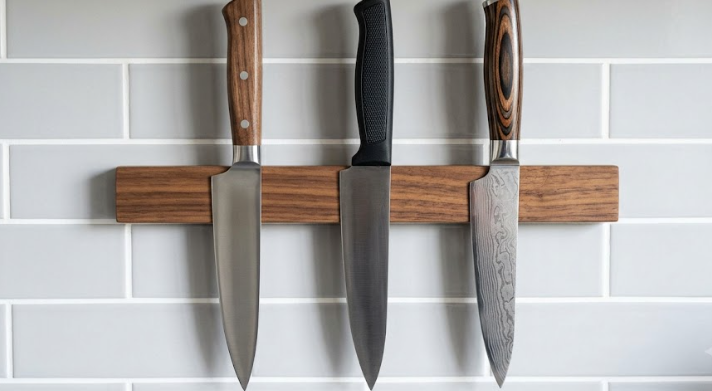
Finding the right tool can be hard. We have tested many blades for you. Here are our top picks for your kitchen. They offer great quality and fair prices.
Our top choice is a classic five inch model. It has a high carbon steel blade. It feels great in the hand. You can BUY AMAZON to get this amazing tool today.
If you want a Japanese style, look for a petty blade. It is super thin. It is perfect for fine slicing. It makes your daily food prep feel like art.
For bread and tomatoes, get a serrated model. It keeps its edge for years without sharpening. It is a low-care tool that always works when you need it.
| Knife Type | Best Size | Blade Material | Key Use |
|---|---|---|---|
| Straight Edge Utility | 5 Inches | High Carbon Stainless | Cheese, Meat, Fruits |
| Serrated Utility | 5 to 6 Inches | Stainless Steel | Tomatoes, Bread Rolls |
| Japanese Petty | 150mm (approx 6 in) | High Carbon Steel | Fine Slicing, Herbs |
How to Care For Your Knife
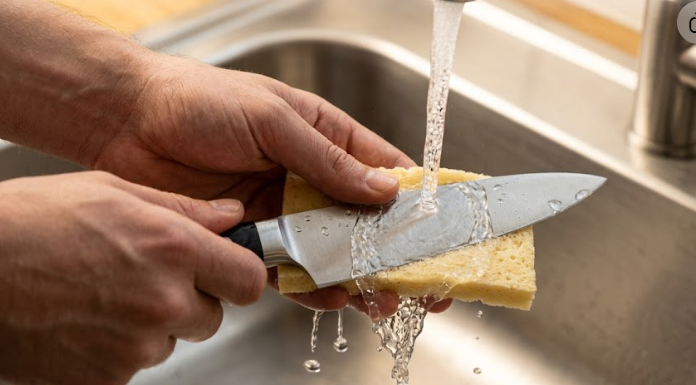
To keep your blade sharp, you must care for it. Never put your knife in the dishwasher. The heat and soap can ruin the steel and handle.
Always wash your tool by hand. Use warm water and mild soap. Dry it with a soft cloth right away. This stops rust from forming on the steel.
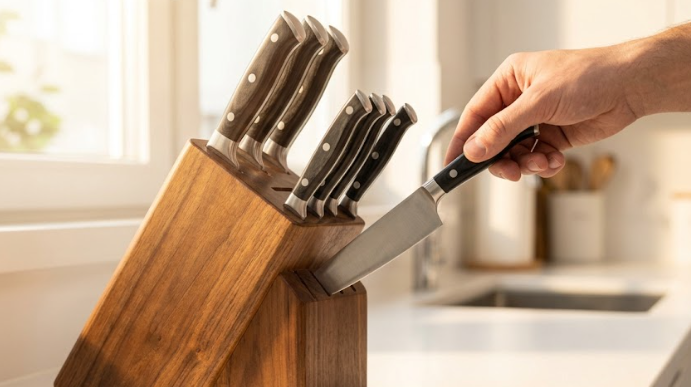
Store your blade in a safe place. Do not throw it in a drawer with other tools. It can get chipped. Use a wood block or magnetic strip.
Sharpen your blade when it starts to feel dull. A sharp blade is much safer than a dull one. It cuts clean and does not slip on food.
Summary and Final Thoughts
A good utility knife is a joy to use. It makes daily prep work fast and fun. It is the perfect middle size for your home kitchen tasks.
Choose a size that fits your hand. A five inch blade is a great start. Look for high carbon steel for the best edge retention over a long time.
Ready to add this tool to your kitchen? You can BUY AMAZON to find the best model. It is a small buy. It makes a huge difference in your cooking.
Frequently Asked Questions
What is the best size for a kitchen utility knife?
The best size is usually five inches. This size is easy to hold and control. It is perfect for slicing fruits and small vegetables on your cutting board.
What is the difference between a paring knife and a utility knife?
A paring knife is very small, usually under four inches. It is for hand work. A utility knife is larger and best used on a cutting board.
Can you cut meat with a utility knife?
Yes, you can cut small meats with it. It is perfect for trimming chicken thighs or slicing cooked sausage. But do not use it on hard bones.
How often should you sharpen a utility knife?
You should sharpen it every few months. It depends on how much you use it. Hone it often to keep the edge straight and performing well.