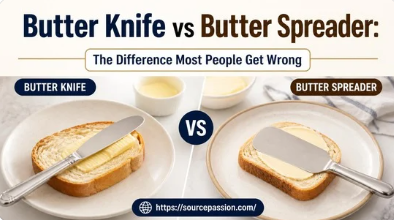
Do you know your tools? Most folk get them wrong. They mix up two main knives. These are the butter knife and the butter spreader. They look the same. But they do other jobs. Let us learn why.
Using the wrong knife can cause a mess. It might tear your soft bread. It can also spread germs at the table. We will show you the facts. You will learn how to use each tool today.
Table rules can feel very hard. There are so many forks and spoons. Each item has a sweet spot. Each tool has a clear job. Flatware etiquette makes dining smooth for everyone.
Many folk ask what is the difference between a butter knife and a butter spreader. They look very similar to the eye. But they are not the same. Let us look now.
You will learn about the big serving knife. You will also learn about the small spreader. This guide will make table rules simple. You will never make a bad slip at a nice meal. You can buy on AMAZON.
What is a Master Butter Knife?

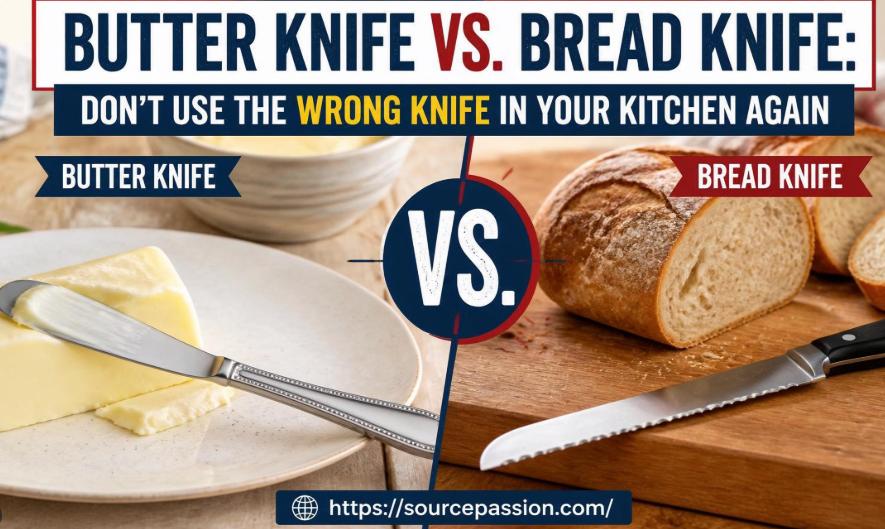
A master butter knife is a serving tool. It sits with the main butter dish. It does not belong to just one guest. Its main job is to serve butter to the table.
This knife has a sharp point. You use the point to pick up butter pats. You place the butter on your own plate. Then you return the knife to the main dish.
The blade of this knife is dull. It is not meant to cut meat. It is only to slice and lift cold butter. It is about six to eight inches long.
This tool is shared by all. It should never touch your own bread. If you use it on your bread, you will get crumbs on it. Those crumbs go back into the clean dish.
That would make the butter look bad. It would also spread germs. That is why the master knife stays with the dish. It is a shared tool for the whole table.
Most fine silver sets come with one master knife. It is often found in the serving set. It matches the style of your other forks. It adds a class look to your table.
What is an Individual Butter Spreader?

An individual butter spreader is for one guest. It is the smallest knife on the table. It sits on your small bread plate. You use it only to spread butter.
This tool has a round tip. The round shape protects your food. It lets you glide butter over soft rolls. It will not tear or poke holes in your fresh bread.
This spreader is about five to six inches long. It is short and easy to hold. The blade is often wide. This wide shape helps you spread butter in a smooth way.
You get your own spreader at your seat. You do not share it with other folk. It stays on your bread plate during the meal. It is only for your personal food.
You can also use it for other sweet spreads. It works well with jam. It is great for soft cream cheese. It can even spread honey or jelly on your bread.
These spreaders are sold in sets. You usually get one for each guest. They are a key part of formal dining. They show that you care about the small details of your meal.
Why Does a Butter Knife Have a Notch?
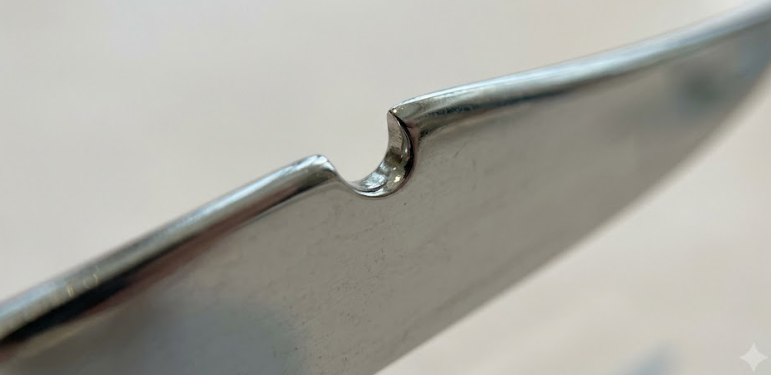
You might wonder why does a butter knife have a notch. This notch has a key purpose. It is a visual sign. It tells you this is a shared serving knife.
The notch also stops butter from sticking. It helps you release the butter pat easily. It keeps the table clean. This small design detail makes serving your food much smoother.
In the past, butter was served in cold balls. It was hard to pick up with a flat blade. The notch and point helped guests spear the butter. It made serving easy.
Some folk call this notch a kink. It is a classic feature of old silver. It shows the history of dining. Today, it still helps us tell our table knives apart fast.
Without the notch, guests might get confused. They might use the serving knife on their bread. That would break table rules. The notch is a simple guide for everyone at the meal.
It is a nice detail on silver flatware. It shows the care put into the design. It makes the master knife stand out. It is both useful and very pretty to look at.
| Feature | Master Butter Knife | Individual Butter Spreader |
|---|---|---|
| Main Role | Serving butter from dish to plate | Spreading butter on bread |
| Tip Shape | Pointed or sabre tip | Rounded and blunt tip |
| Blade Notch | Often present on the back edge | None |
| Table Spot | On or next to the central butter dish | On the individual bread plate |
This table shows how different they are. You can buy both in a nice flatware set. If you need a new set, check out this high-quality flatware set on AMAZON today for your home.
Where Does the Butter Knife Go on a Table Setting?
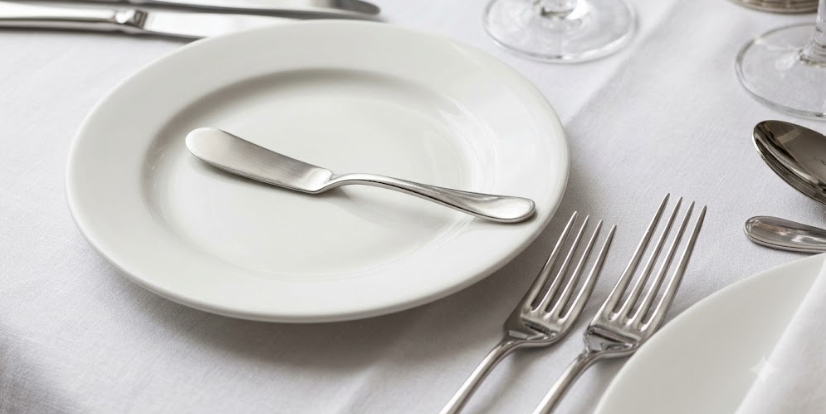
Proper placement is key for a formal table setting. Place the bread and butter plate to the upper left. It should sit just above your forks. This keeps your table very neat and clean.
You must know how to place a butter spreader on a bread plate. Put it diagonally across the plate. The handle should point to the bottom right side of the plate.
You can also place it horizontally. In this style, the handle points to the right. The blade points to the left. The cutting edge should always face down toward the small plate.
You might ask where does the butter knife go on a table setting. The master knife rests on the main butter dish. It should lie across the dish for guests to use.
Never place the master knife on an individual plate. It must stay with the shared dish. This is a key rule of dining. It keeps the table clean and safe for all.
These rules might seem strict. But they make dining smooth and easy. Guests will know exactly what to do. They will feel very comfortable at your beautifully set table.
Table Knife vs. Butter Knife vs. Dinner Knife

It is easy to compare a table knife vs butter knife. They look like normal tools. But they have different sizes. Let us look at how they differ in size.
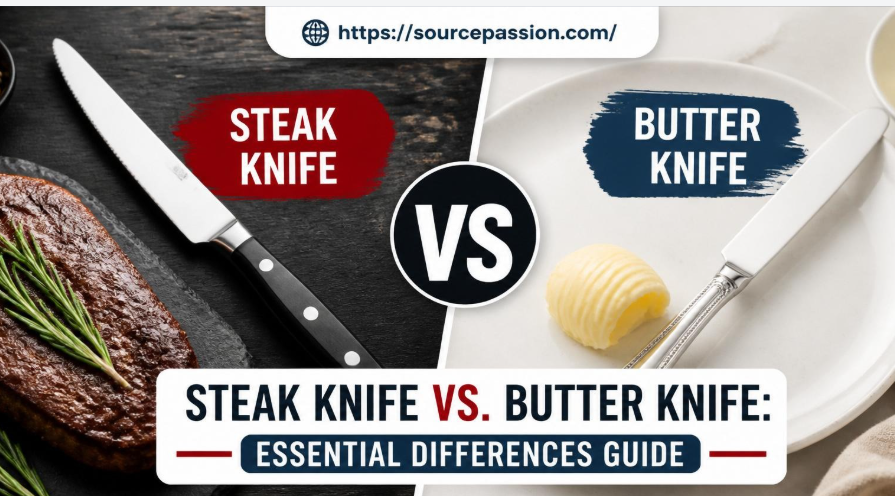
The dinner knife is the largest of the three. It is used for the main course. It has a slightly sharp edge. It is meant to cut cooked meat and vegetables.
A table knife is a bit smaller. It is used for informal meals. It can cut soft food and spread butter if needed. It is a general tool for daily use.
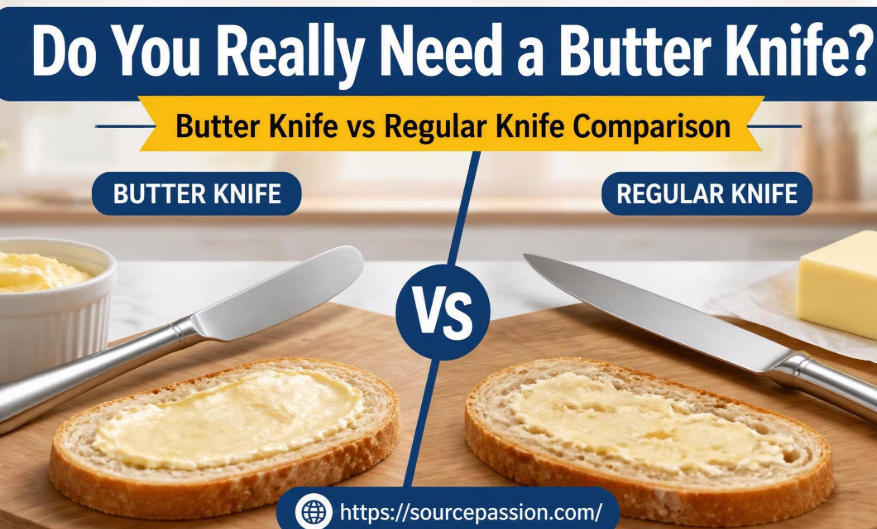
The butter knife is the smallest. It has a dull edge and a pointed tip. It is only for butter. It is never used to cut meat or hot food.
Let us compare a dinner knife vs butter spreader. A dinner knife is too big for a small bread plate. A butter spreader is just right for your soft bread.
Knowing the difference helps you set the table right. It makes your meals feel more special. It shows that you understand the art of dining. It is a great skill to have.
Can You Use a Dinner Knife as a Butter Spreader?

Many ask can you use a dinner knife as a butter spreader. In casual meals, this is very common. Most folk do not own spreaders. A dinner knife works fine.
But it is not ideal for soft bread. Dinner knives have sharp edges. They can easily tear your fresh rolls. They are also heavy and can slide off the small plate.
In formal settings, you should avoid this. It is best to use the correct tool. The butter spreader is designed just for this job. It makes the task smooth and clean.
If you do not have spreaders, do not worry. Just use your dinner knife carefully. Try not to press too hard on the bread. This will help prevent any tears or mess.
But if you host often, buy some spreaders. They are a great addition to your kitchen. They make your table look complete. Your guests will love using the proper tools.
They are not very expensive. You can find them in many styles. They will match your current flatware. They are a smart buy for anyone who loves to host dinners.
Pros and Cons of Butter Knives and Spreaders

Master knives are great for serving. They keep the main butter clean. But they are bad at spreading. Their pointed tips can easily poke holes in your bread.
This can ruin your soft dinner rolls. It can make a mess on your plate. That is why they are only for serving. They should never be used to spread.
Butter spreaders excel at spreading. They glide smoothly on bread. But they cannot serve butter well at all. They lack a sharp point to pick up pats.
You need both tools for all formal meals. They work as a team. One serves the butter. The other spreads it. This keeps the dining experience clean and elegant.
Using them right shows very good manners. It makes your guests feel special. It is a simple way to improve your dining. You will love the difference it makes.
How to Butter Your Bread Correctly

Do not butter the whole slice of bread at once. That is a common mistake. Instead, break off one small bite-sized piece first. Only butter that single piece before you eat it.
Use the master knife to transfer butter. Put it on your bread plate first. Never take butter from the main dish and put it directly onto your fresh bread.
That spreads unwanted crumbs. It ruins the butter for others. Always use your own individual spreader for the actual spreading. This keeps the shared butter clean and fresh for everyone.
This rule is key for dining etiquette bread and butter. It shows respect for your guests. It keeps the food clean. It is a small habit that makes a big difference.
Practice this at home. It will soon feel very natural. You will do it without thinking. It is a great way to show your polished manners at any dinner party.
Summary of Table Etiquette Rules

Good table manners are easy to learn. Just remember the main roles. The master knife serves. The spreader applies the butter. Keeping these apart keeps the meal clean, fresh, and pleasant.
Now you can host with great confidence. You can set your table like a pro. Your guests will notice your fine taste. Enjoy your next meal with your brand new skills.
A well-set table makes food taste better. It creates a warm and inviting feel. It shows your guests that they are important. It turns a simple meal into a special event.
Do not let flatware scare you. It is there to help you. Each piece has a smart design. Once you know the rules, dining becomes a smooth and joyful experience.
Share this knowledge with your family. Teach your kids these simple steps. It is a wonderful way to keep classic dining traditions alive in your own home today.
Frequently Asked Questions
What is the difference between a butter knife and a butter spreader?
A butter knife (or master knife) serves butter from a main dish to your plate. A butter spreader is for one person to spread butter on bread.
Where does the butter knife go on a table setting?
The individual butter spreader goes on your bread plate. The master butter knife sits on the main butter dish in the middle of the table.
Why does a butter knife have a notch?
The notch is a visual marker. It tells you that the knife is a shared serving tool, not an individual spreader. It also stops butter from sticking.
Can you use a dinner knife as a butter spreader?
Yes, you can use a dinner knife for casual meals. But it might tear your bread because it is larger and has a sharper edge than a spreader.