I love tools with curved blades. They have a round shape. They look like a half moon. These tools are very old. They work well for leather and food. They are great.
You might want to cut thick leather. Or you might want to chop fresh herbs. A curved edge helps you do this. It makes your work much easier. It saves time.
I have used these knives for ten years. They are my favorite tools. They save my hands from pain. They make very clean cuts every time. I highly recommend them.
In this post, I will explain these tools. We will look at leather knives. We will also look at kitchen knives. You will learn how they work. It is very simple.
The Leather Round Knife and Head Knife
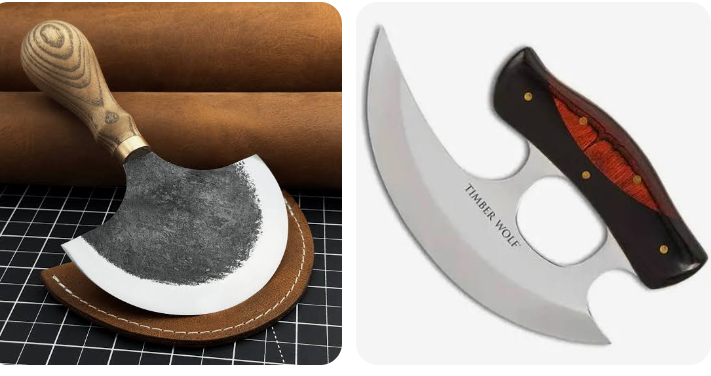
A leather round knife is a classic tool. Its blade is a perfect half circle. Leatherworkers love this simple shape. It is great for round knife leathercraft. It cuts heavy leather with ease.
The head knife is a bit different. Its blade is more like an oval. The tips of the blade sweep back. They go past the handle. This gives you more room to move.
Why do leatherworkers use round knives? It is because of how they cut. Most knives drag through the leather. This stretches the hide. A round blade rocks instead of dragging.
We can push down to cut. This rocking motion keeps the leather still. It gives you great control. You can find a good AMAZON tool online to start. It works well.
The sharp tips are very useful. They cut deep curves. You can roll the blade to skive. Skiving means making the leather thin. It is a key step in leathercraft.
I use my round knife daily. It is my main tool for wallets. It also works well for belts. It replaces three other knives on my bench. It saves space.
Let us look at the head knife vs round knife. The round knife is a half circle. The head knife has longer horns. These horns are the sharp tips. They cut tight corners.
A round knife works best for straight lines. It is also great for wide curves. The head knife is better for small details. Both tools take time to learn.
Do not feel scared of the sharp blade. This curved blade leather knife requires care. Always cut away from your body. Safety is the most important rule when you work.
A cheap knife will not hold an edge. It will dull fast. It is best to buy a high carbon steel blade. This steel stays sharp for a long time.
The Half-Moon Knife in the Kitchen
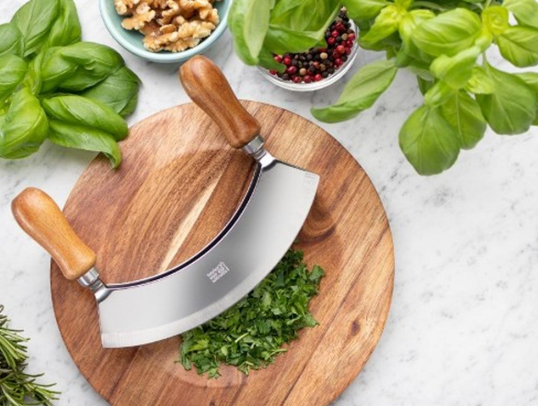
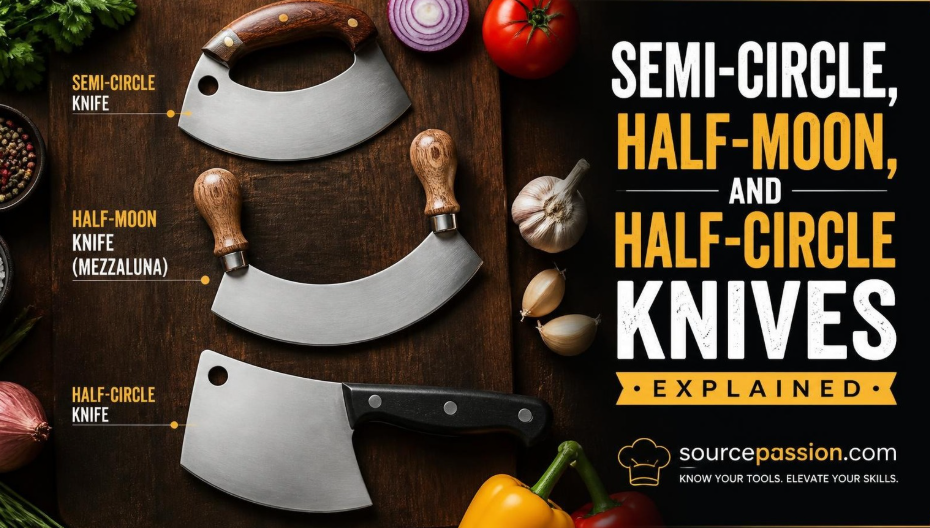
Curved blades are not just for leather. They are also great in the kitchen. What is a semi circle kitchen knife called? It is often called a mezzaluna knife. This name means half moon.
A mezzaluna has a long curved blade. It usually has two handles. You hold one handle in each hand. Then you rock the blade back and forth. It chops herbs fast.
I use my mezzaluna for salad. It cuts greens in seconds. It also minces garlic. You do not have to lift the blade. It stays on the board. This saves your wrists.
Another kitchen tool is the ulu knife. This is a very old tool. It comes from the Inuit people. It has one handle on top of the blade. It is very strong.
An ulu is a great multi-tool. You can chop meat with it. You can skin fish with it. You can even slice cheese. It fits right in the palm of your hand.
What is the difference between an ulu and a mezzaluna? The ulu is for one hand. The mezzaluna is for two hands. The ulu can do many jobs. The mezzaluna is mostly for mincing.
I love to use both in my kitchen. They make food prep fun. They are safer than standard chef knives. Your fingers stay far away from the sharp edge. This is great for kids.
You can buy these kitchen tools online. Look for stainless steel blades. They are easy to wash. They do not rust. A good board with a bowl shape helps too.
How to Use a Leather Half-Moon Knife
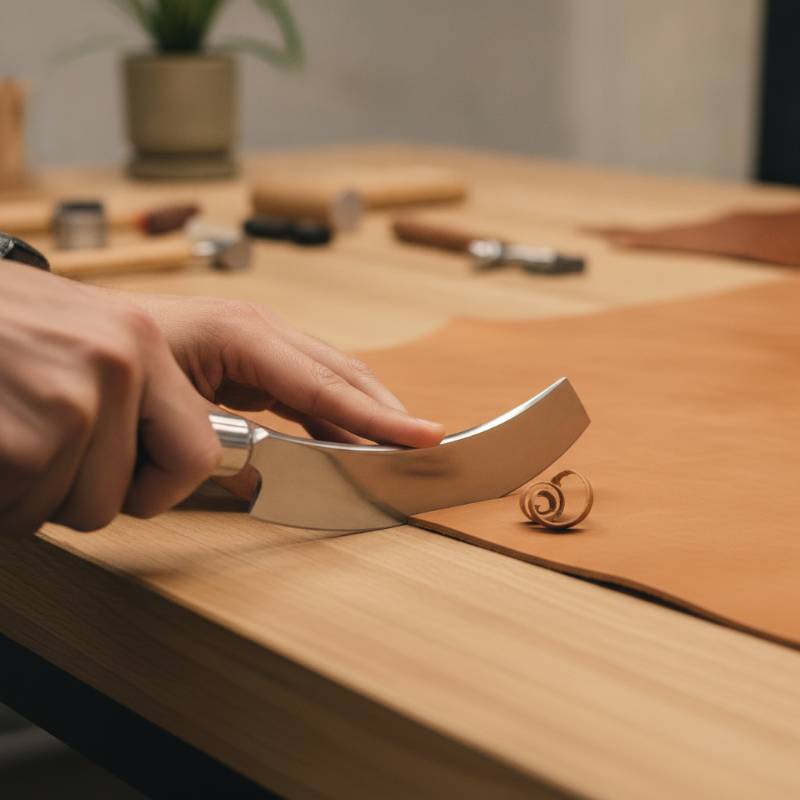
Using a half moon leather knife is an art. You must hold it the right way. Put your index finger on the top spine. Wrap your other fingers around the handle.
This grip gives you power. It also keeps your hand safe. Never put your hand in front of the blade. If the knife slips, you will get cut. Always be careful.
To make a straight cut, push the knife. Use the center of the blade. Roll it forward like a wheel. The blade will glide through the thick hide. It feels very smooth.
To cut a curve, use the tip. Tilt the knife slightly. Push with your thumb. At the same time, turn the leather with your other hand. This makes a perfect circle.
This tool is also a great leather skiving tool. Skiving makes edges thin. To skive, lay the blade flat on the leather. Push it forward to shave off thin layers.
I skive edges before I sew them. This keeps the seams flat. It makes the final product look neat. A dull blade will gouge the leather. Keep it sharp. It must be like a razor.
Practice on scrap leather first. It takes time to build muscle memory. Do not rush. Go slow and feel the blade. Soon you will cut like a master. It is very rewarding.
You can also use a cutting mat. A soft mat protects the edge. Hard surfaces will dull your steel. I use a thick plastic mat on my bench. It works well.
Keeping Your Curved Blade Sharp
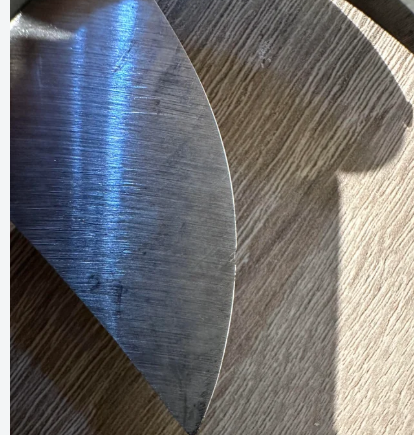
A dull knife is dangerous. You have to push too hard. This can cause a slip. You must learn how to sharpen a head knife. It is a vital skill.
I use a flat whetstone. You can get a good AMAZON stone to start. Put some oil or water on the stone. Hold the blade at a low angle.
Move the blade in small circles. Roll it from one tip to the other. This sharpens the entire curve. Do this on both sides of the blade. Keep the angle flat.
Next, use a leather strop. A strop is a piece of wood with leather on it. Put polishing paste on the leather. Pull the knife backward across the strop. Never push it.
Stropping removes the tiny burr. It polishes the steel. It makes the edge shine like a mirror. I strop my knife every twenty cuts. This keeps it sharp. It saves time later.
If you strop often, you rarely need the stone. The strop maintains the edge. It is the secret of old leatherworkers. It keeps your tools in top shape. It is very easy.
Keep your blades clean. Wipe off any leather dust. You can use a bit of oil to stop rust. Store them in a safe place. A leather sheath is best.
Never drop your knife. The sharp tips can bend or chip. If they chip, you must grind them down. This takes a lot of work. Treat your tools with care.
Curved Knife Comparison
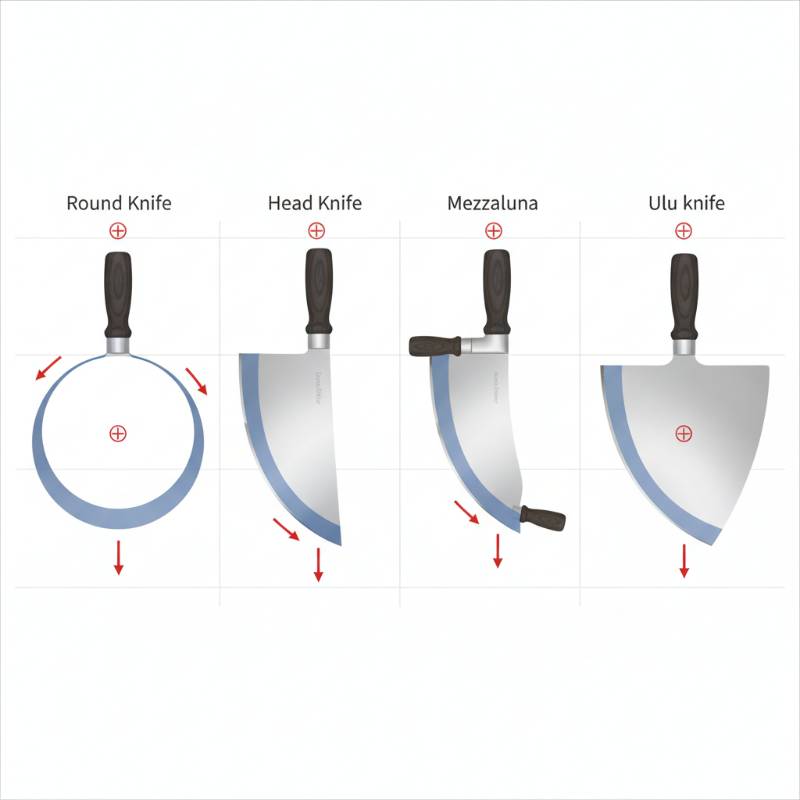
There are many types of curved knives. It can be hard to choose. I made a simple table to help you. It shows the traits of each tool. Let us look at them.
| Knife Type | Blade Shape | Best Use | Users |
|---|---|---|---|
| Round Knife | Semi-circle | Straight cuts, skiving | Leather crafters |
| Head Knife | Elliptical | Tight curves, detail cuts | Leather crafters |
| Mezzaluna | Wide arc | Mincing herbs, salads | Home cooks, chefs |
| Ulu Knife | Semi-circle | Chop meat, skin fish | Inuit, outdoor cooks |
The table shows how these tools differ. The round knife and head knife are for leather. They have double bevels. This means they are sharp on both sides. It makes them very versatile.
The mezzaluna and ulu are for food. They often have a single bevel. This makes them great for slicing. They are easy to use on a wooden board. They rock back and forth.
Choose the tool that fits your hobby. If you work with leather, get a round knife. If you love to cook, get an ulu. Both will make your life easier.
Pros and Cons of Curved Blades
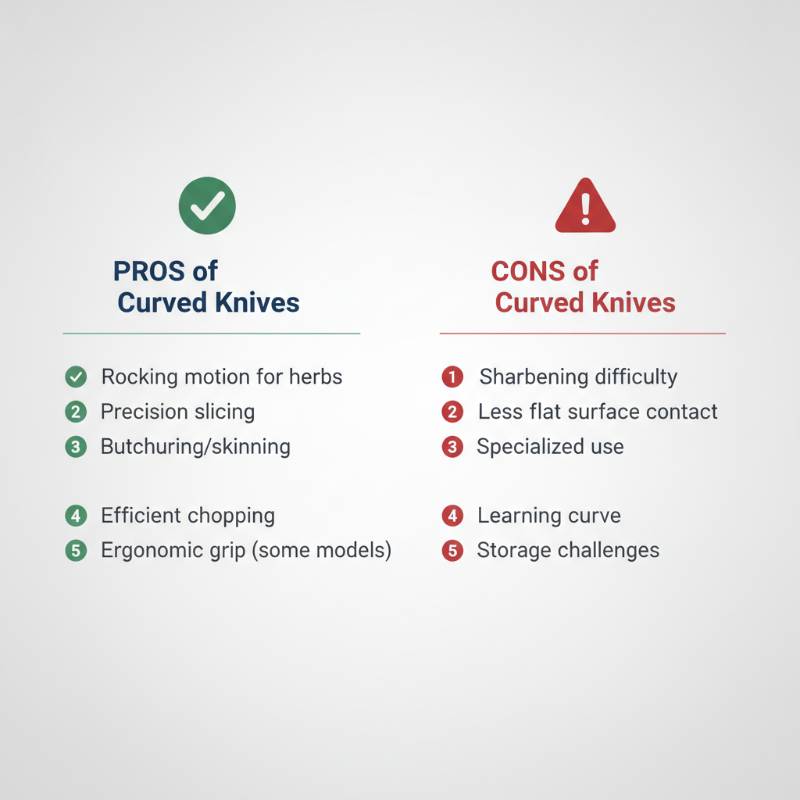
Curved blades are great. But they are not perfect for every job. It is good to know their pros and cons. This will help you make a choice. Let us list them.
The Pros:
- They cut thick leather without stretching it.
- They rock to chop food fast.
- They save your wrist from pain.
- They look beautiful.
The Cons:
- They are hard to sharpen at first.
- They have very sharp tips that can cut you.
- They cost more than utility knives.
- They need constant care.
Do not let the cons stop you. The learning curve is short. Once you master the tool, you will love it. The benefits are worth the effort you put in.
Final Verdict
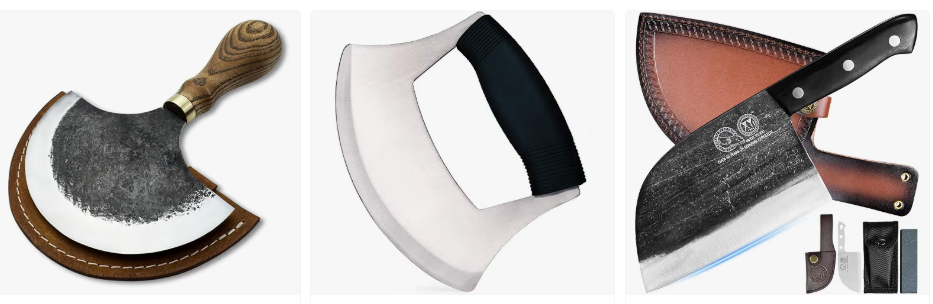
I think every leather shop needs a round knife. It is the ultimate tool. It does the work of many tools. It will make your leather craft much better. It is fun.
For the kitchen, the ulu is a joy. It is a great conversation starter. It chops herbs and meats with ease. It makes cooking feel like a craft. It is very handy.
You can find these tools online. Check out the AMAZON shop for options. Buy a good one today. You will not regret your choice. It is a great investment.
Common Questions
What is a half moon knife used for?
A half moon knife is used to cut and skive leather. Its curved blade allows you to rock through thick hides. This keeps the leather from stretching. It also cuts clean curves.
What is the difference between a head knife and a round knife?
A round knife has a blade that is a perfect semi-circle. A head knife has a blade that is elliptical. The tips of a head knife sweep back past the handle. This gives clearance.
How do you use a leather half moon knife?
Hold the handle with your fingers. Put your index finger on the top spine. Push the knife forward to cut. Tilt it to cut curves. Lay it flat to skive. Go slow.
What is a semi circle kitchen knife called?
It is called a mezzaluna. This tool has a curved blade and two handles. You rock it back and forth to chop herbs, garlic, and greens. It is very easy to use.