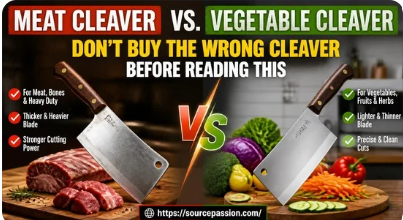
Many cooks call any big knife a cleaver. They think all cleavers do the same job. But this is not true. These two types are very different. Let us look at why. One type is for heavy bones. The other type is for fresh greens. If you mix them up, you can ruin your tools. You might also hurt your hands while you cook. This guide will show you how to tell them apart. You will learn about their weight and blade shape. Soon, you will choose the right tool for your kitchen. It is easy. You can buy these strong tools on AMAZON.
What Is a Heavy Duty Meat Cleaver?
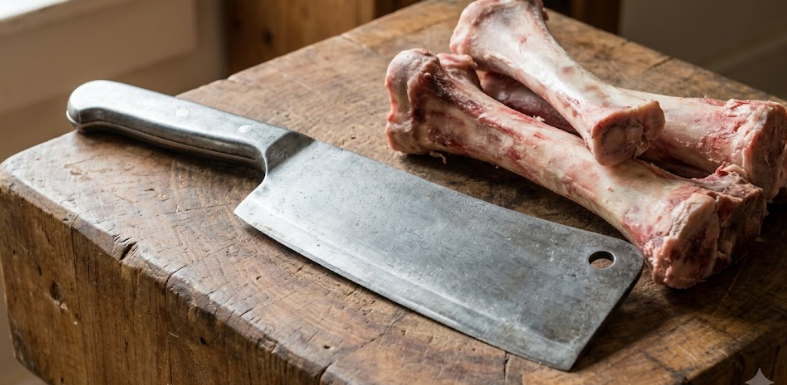
A heavy duty meat cleaver is a thick, heavy tool. It has a blunt edge made for hard blows. Its main job is to chop through hard bone. It is strong. This tool does not slice. It uses raw force to break food. Its blade is made of very thick steel. This soft steel does not chip on hard bone. It stays whole. You can use this tool to split a whole chicken. It is great for pork ribs too. Its heavy weight does the work. You do not need to push hard. Butcher shops use these knives every day. They are not meant for fine cuts. They are too heavy for quick slicing. Your hand would get tired very fast in the kitchen.
What Is a Chinese Vegetable Cleaver?
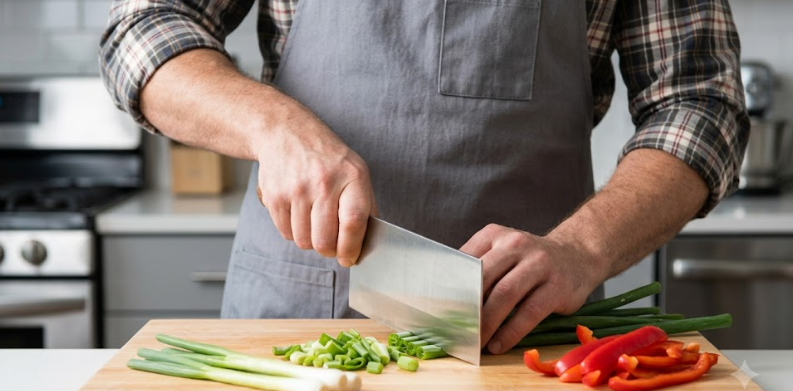
A Chinese vegetable cleaver is also called a cai dao. It looks like a meat cleaver at first. It has a tall, square blade. But its blade is actually very thin. This knife is light and sharp. It is built for speed and control. You use it to slice, dice, and mince. It works just like a classic Western chef knife. The blade of this knife is very hard. This hardness helps it stay sharp. You can cut paper thin slices of cucumber with ease. It is a joy to use. Its tall blade is also a great scoop. You can slide the flat side under chopped food. Then you can move it to the hot pan easily. This saves time.
Key Cleaver Blade Thickness Differences
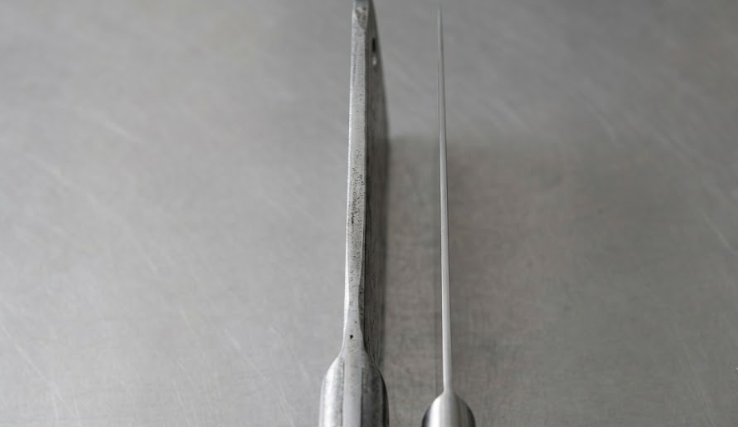
The biggest difference is how thick the blade is. Look at the top spine to see it clearly. A meat tool has a very thick spine. It looks huge in your hand. A meat blade is often four to five millimeters thick. This thick spine makes the knife very heavy. It takes a lot of shock without bending. It is very tough. A vegetable blade is much thinner. It is usually under two millimeters thick. This thin edge slides through hard carrots with ease. It does not wedge in hard food at all. The edge angle is also very different. A meat tool has a wide angle. It is often twenty-five degrees on each side. This blunt edge protects the steel from damage. A vegetable tool has a very sharp angle. It is often fifteen degrees on each side. This fine edge cuts clean. But it is far too weak for hard bones. Weight is another key point. A heavy meat tool can weigh over two pounds. A vegetable tool is very light. It often weighs less than half a pound in total.
Can You Use a Vegetable Cleaver to Cut Meat?
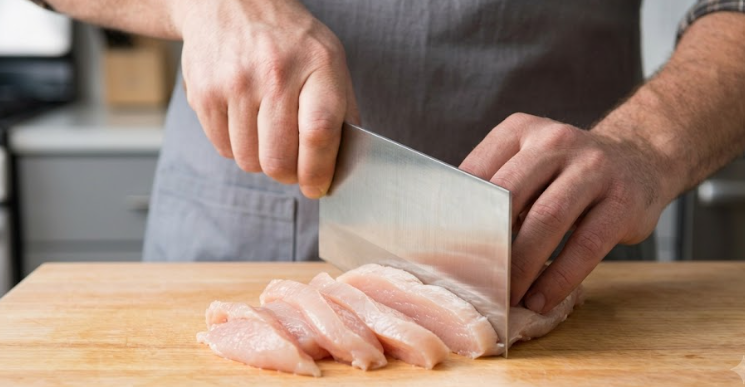
Yes, you can use a vegetable tool for some meat. It is great for boneless meat. You can slice raw beef very fast indeed. It works very well in the kitchen. It is also good for dicing raw chicken breast. The sharp edge makes clean cuts. It does not shred the meat at all. It feels like a very sharp chef knife. But you must never hit a bone with it. Can a vegetable cleaver cut bone? No, it cannot. The thin edge will chip. It will bend if you try to chop bone. If you hit a bone, you might ruin the blade. You must grind away steel to fix it. That takes a lot of your time. Keep this knife very safe.
Can You Use a Meat Cleaver on Vegetables?
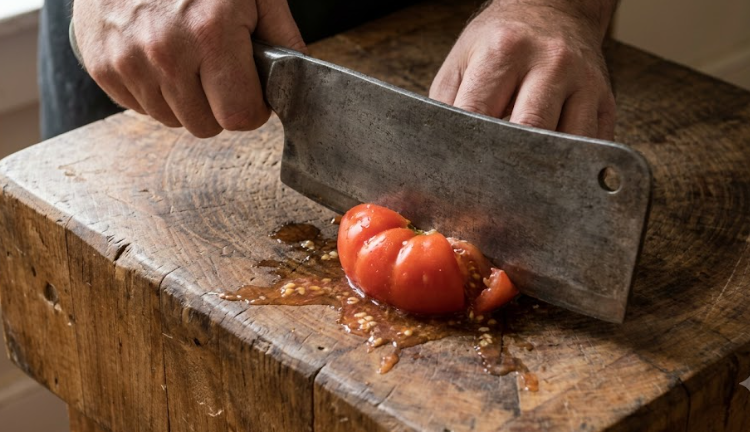
You can use meat tools on greens. But it is very hard. The blade is too thick. It will crush soft herbs instead of cutting them. It is not easy to do. If you try to slice a ripe tomato, it squashes. The blunt edge cannot break the skin easily. You end up with a big mess on your board. It is not fun. The heavy weight of the tool is also a problem. Your wrist will hurt after just two minutes of work. It is like using a hammer to tap a small nail. It is always best to use the right tool. Use the heavy meat tool for big bone work. Use the vegetable tool for daily chopping tasks. This makes cooking fast.
Chinese Chef’s Knife vs Meat Cleaver
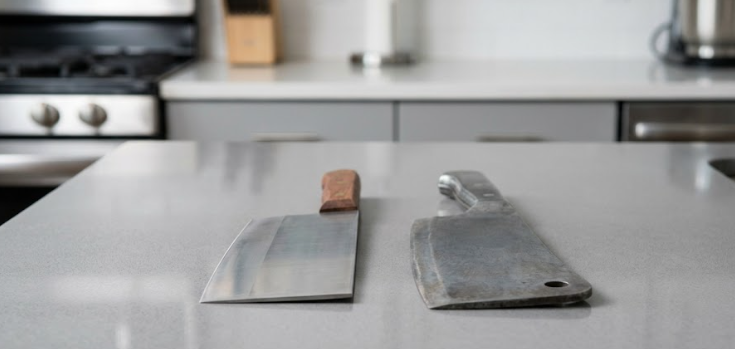
A Chinese chef’s knife is just another name. It refers to the vegetable tool. In China, cooks use this single knife for almost everything. It is a very versatile tool. They slice meat, chop herbs, and smash garlic. The flat blade is great for crushing ginger too. It does the job of many other knives. It is very handy to own. But a butcher cleaver is very different. It is a single-use tool. You only bring it out for big bones. It is not for daily prep work in your kitchen. Most home cooks only need a Chinese chef’s knife. It handles ninety percent of daily cooking tasks. It makes prep work fast and fun. It is a very smart buy.
Nakiri vs Cleaver: What is the Difference?
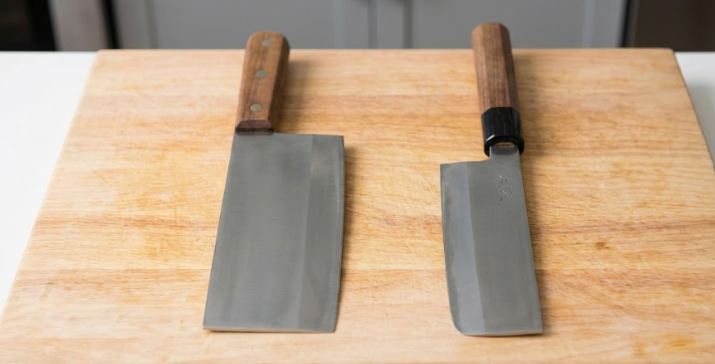
Some people confuse the Japanese nakiri with a vegetable cleaver. Both knives have a flat, square shape. They are not the same size in your hand. They feel very different. A nakiri is much shorter. Its blade is quite narrow. It is made only for slicing fresh greens. It lacks the tall height of a Chinese cleaver. It is smaller. The Chinese cleaver is very tall. This height helps guide your fingers as you cut food. It lets you scoop food easily from the board. It is much more versatile. Choose the nakiri if you only want to prep veggies. Choose the Chinese cleaver for more jobs. It slices meat and crushes garlic easily. It is very handy to have.
Why Do Meat Cleavers Have a Hole in the Blade?
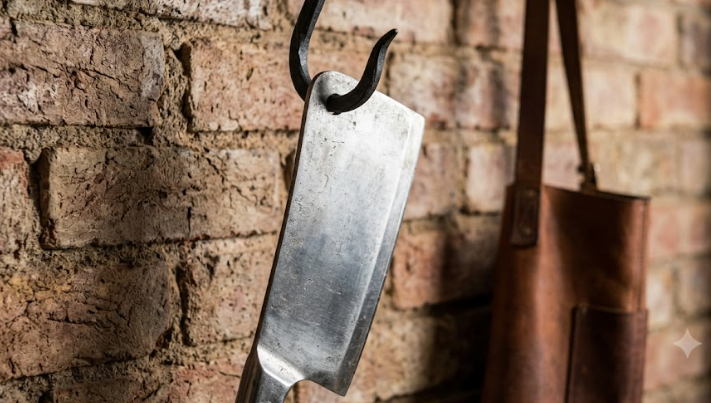
You have seen a small hole in a meat cleaver. This hole is near the top corner of the blade. Have you ever wondered why it is there? It has a use. The main reason is for hanging the knife. Meat cleavers are very heavy. They do not fit in a standard wood block. Hanging them is much safer for your fingers. The hole also helps butchers pull the blade out. If it gets stuck in bone, they can pull it. They use the hole to get a good grip. It works well.
Side-by-Side Comparison
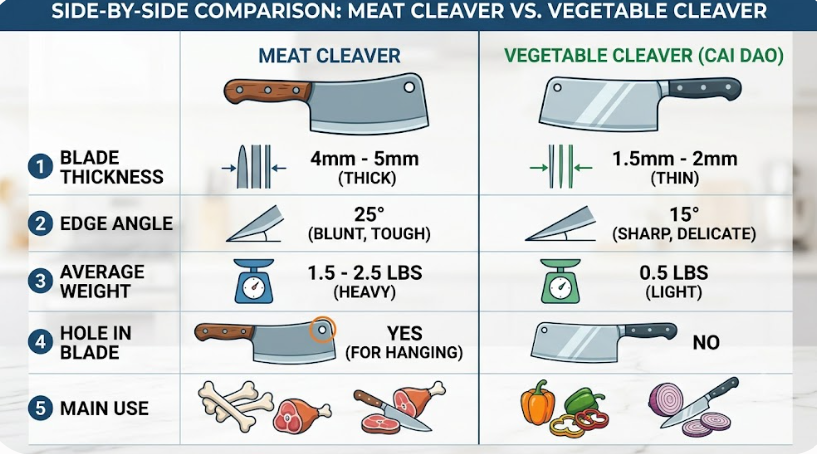
Let us look at these two knives side by side. This will help you see the main differences very clearly. You can check all the details in the table below.
| Feature | Meat Cleaver | Vegetable Cleaver |
|---|---|---|
| Blade Thickness | 4mm to 5mm | 1.5mm to 2mm |
| Edge Angle | 25 degrees (Blunt) | 15 degrees (Sharp) |
| Average Weight | 1.5 to 2.5 pounds | 0.5 pounds |
| Hole in Blade | Yes (Usually) | No |
| Main Use | Cutting bones and joints | Slicing and dicing veggies |
Pros and Cons: Meat Cleaver vs Vegetable Cleaver
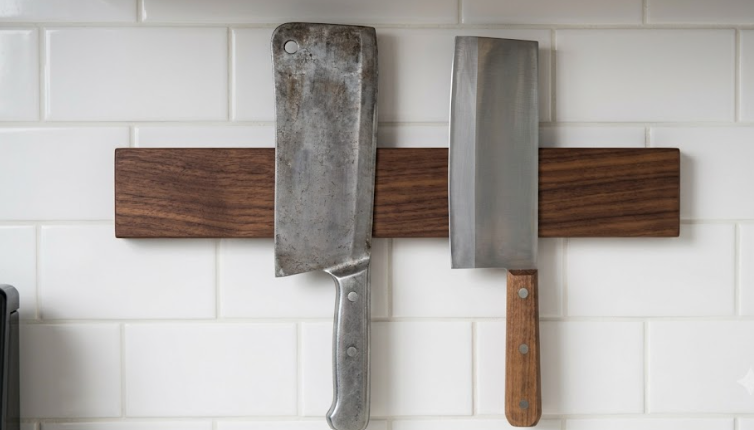
Let us talk about the heavy meat tool first. It is the best cleaver for cutting bone. It will not break when hitting hard animal joints. It is very strong. But the cons are clear too. It is much too heavy for daily prep. You cannot use it to slice onions thin. It is not a good chef knife at all. Now let us look at the vegetable cleaver. Its pros are great versatility. It is light and very sharp. It does almost any chopping job on your board. It is great. The only major con is its delicate edge. You cannot cut bone with it. If you try, the blade will chip. It is not made for heavy force in the kitchen.
Which One Should You Buy?

Which knife is right for you? It depends on what you cook. If you chop bones, you need a meat tool. It saves your other knives. It is a good choice. You can buy a strong tool on AMAZON. This heavy tool will last for many years. It is built to take a beating in the kitchen. It is very tough. If you cook mostly veggies, get the vegetable cleaver. It is the best tool for daily prep. You will use it every single day. It makes cooking very easy indeed. Many cooks love having both in their kitchen. They use the light one for quick slicing. They keep the heavy one for big butchering jobs. It is a great team.
How to Care for Your Cleavers
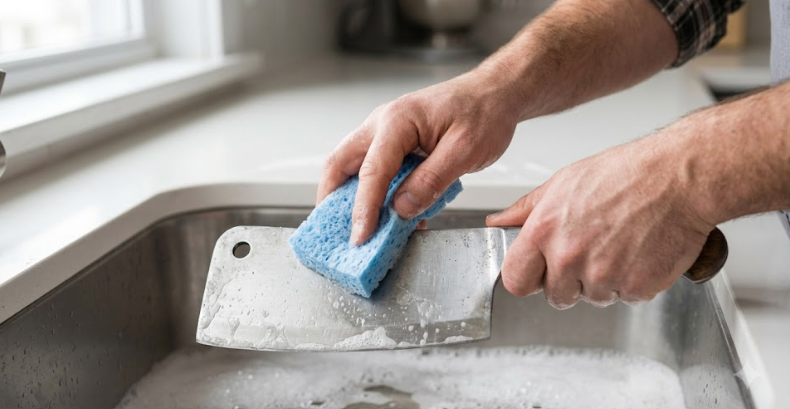
Proper care keeps your knives sharp and safe. You should always wash them by hand. Do not use a dishwasher at all. The high heat can hurt the steel blade. Dry your knives right after washing them. This prevents rust from growing on the metal blade. Store them on a magnetic strip on the kitchen wall. Keep them very safe. You must sharpen them the right way. Use a wet stone for your thin vegetable tool. Use a steel rod for your heavy meat tool. Keep them both very sharp.
The History of the Cai Dao
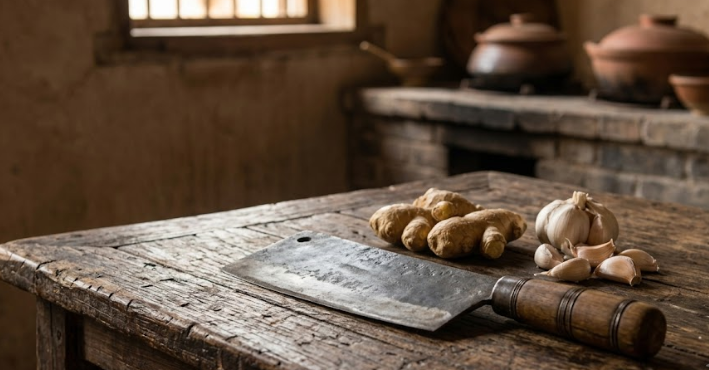
The cai dao has a very long history. Chinese cooks have used it for hundreds of years. It does almost every single kitchen task. It is a very smart tool. In old times, metal was hard to find. Families could only own one single knife. The knife had to slice and scoop up food. It solved a very big problem. Today, this design is still loved worldwide. It shows that simple tools are often the best. You do not need twenty different knives. Simple tools work best in the kitchen.
Frequently Asked Questions
Here are some of the most common questions about these two types of kitchen knives. These quick answers will help you understand their differences even better.
What is the difference between a meat cleaver and a vegetable cleaver?
A meat cleaver is thick, heavy, and blunt to chop bones. A vegetable cleaver is thin, light, and very sharp for slicing. They serve completely different purposes in your kitchen.
Can you use a vegetable cleaver to cut meat?
Yes, you can use it for boneless meat. It is great for slicing chicken or beef. But you must never use it on bones. Doing so will chip the thin blade.
Why do meat cleavers have a hole in the blade?
The hole is mostly for hanging the heavy knife safely. It also helps butchers pull the blade out of bones. It gives them a secure grip if the knife gets stuck.
Can a vegetable cleaver cut bone?
No, a vegetable cleaver cannot cut bone. Its blade is too thin and hard. If you hit a bone, the edge will chip or break. Use a heavy meat cleaver instead.