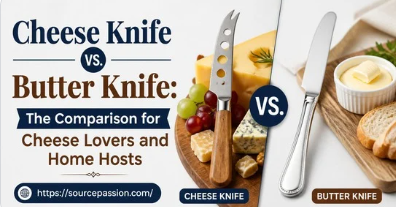
Many people use one knife for all food. They grab a simple butter blade to cut a block of cheese. This is very bad. It hurts the food and spoils your meal.
I love to host dinner parties. I always watch my guests at the food table. They often struggle to slice soft brie with a dull blade. It makes a big, sticky mess.
You need the right tool for each job. A butter blade cannot do what a cheese blade does. They have different shapes, edges, and tasks. Let us look at why they differ.
What is a Butter Knife?
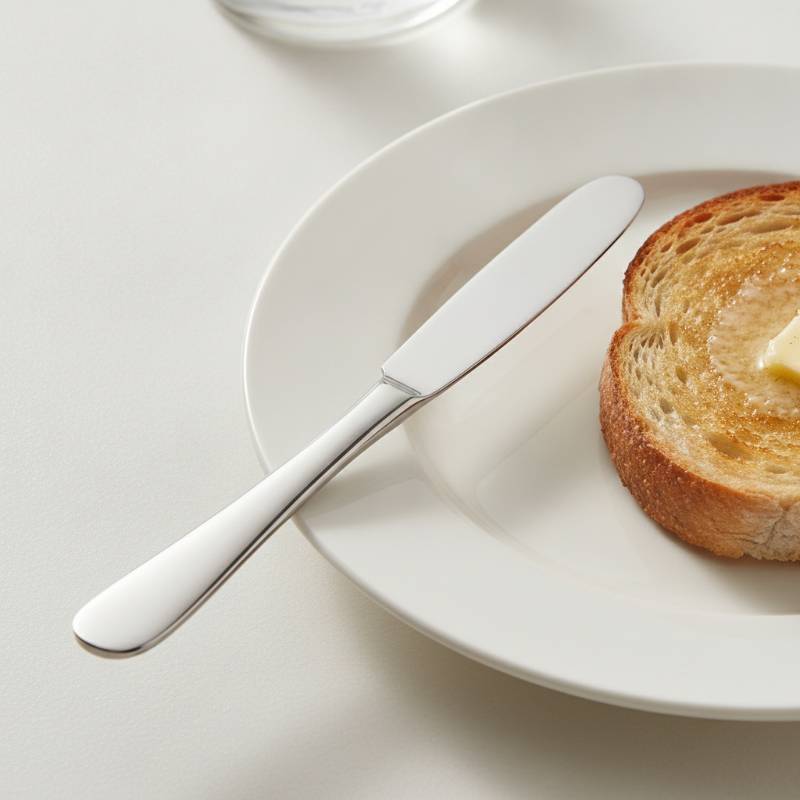
A butter knife is a small, simple tool. It has a dull edge and a rounded tip. You use it to spread soft butter on warm bread. It does not cut hard foods.
Most homes have these in their flatware sets. They sit next to your plate at dinner. You will find they are safe for kids because they have no sharp edges. They only spread soft toppings.
Some people confuse a dinner knife vs butter knife. A dinner knife is longer and has small teeth. It cuts cooked meat. A butter blade is small, smooth, and only spreads soft spreads.
The Parts of a Butter Knife
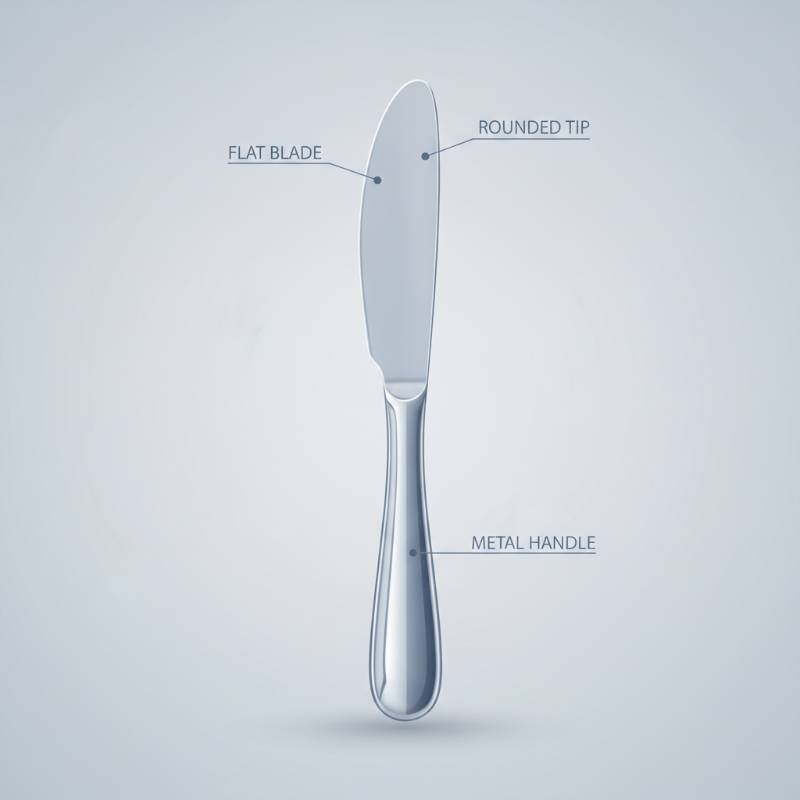
Let us look closely at a butter blade. It has three main parts. These are the handle, the flat blade, and the dull edge. It is made for safety and ease.
The handle is usually thin and light. The metal blade is flat to hold a good scoop of butter. The edge is smooth so it does not tear your soft bread.
Some styles have a small bend in the metal handle. This keeps your knuckles off the table. It is a smart design that makes spreading clean and easy at breakfast.
What is a Cheese Knife?
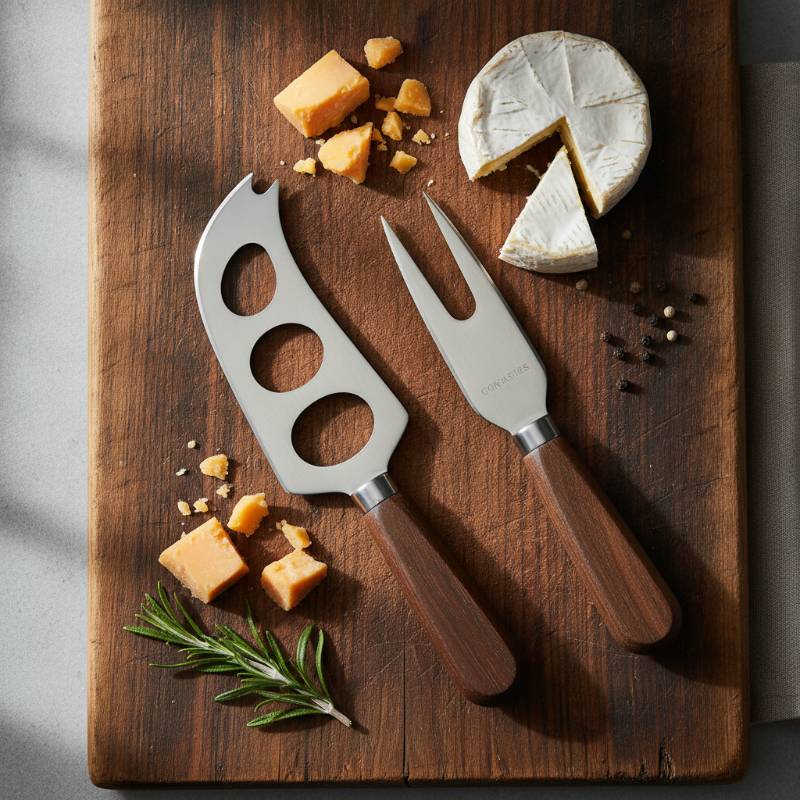
What is a cheese knife used for? It is a tool made to cut or slice dairy blocks. Cheese comes in many textures. Some are hard, while others are very soft and sticky.
These different textures mean you need different blades. A soft cheese knife has holes in it. A hard cheese knife is sharp and tough. Each shape helps you get a clean slice.
You might see a cheese cleaver on a platter. It looks like a tiny axe. It cuts hard blocks with ease. There is also a pronged cheese knife to pick up slices.
Do you wonder why do cheese knives have holes? The holes stop soft food from sticking to the metal [10]. This keeps your slices neat. A perforated cheese knife makes serving very easy.
The Parts of a Cheese Knife
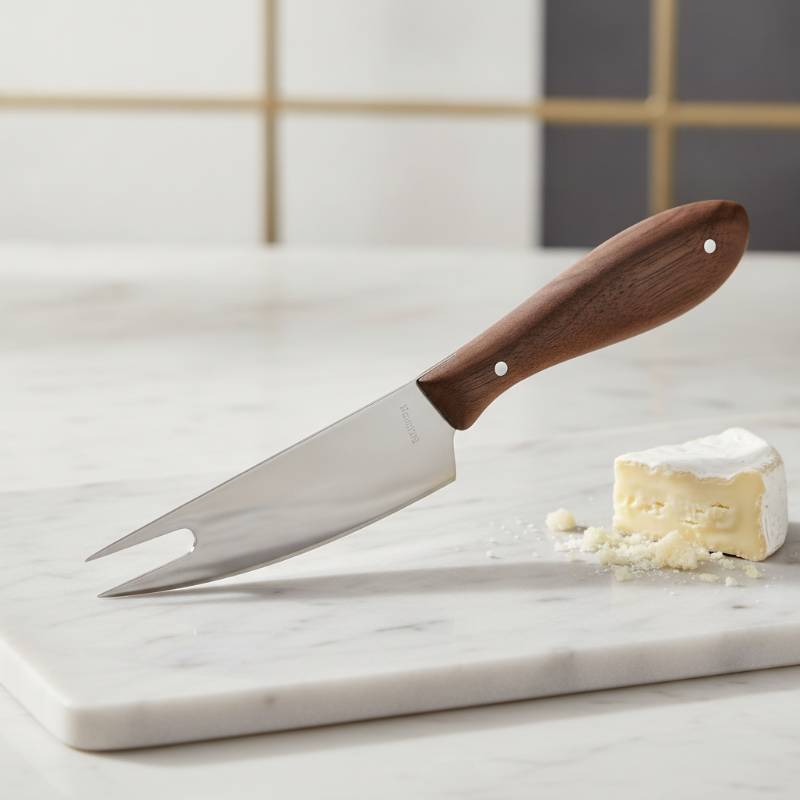
A cheese blade has a much more complex design. It is built to solve specific food problems. It has features like holes, prongs, and sharp angles to help you.
The holes in the blade let air pass through. This stops sticky foods from clinging to the metal. The prongs on the tip let you pick up slices with ease.
The handle is often raised high above the blade. This gives your hand room to move. It stops your fingers from hitting the cutting board as you slice down.
Know Your Cheese Textures
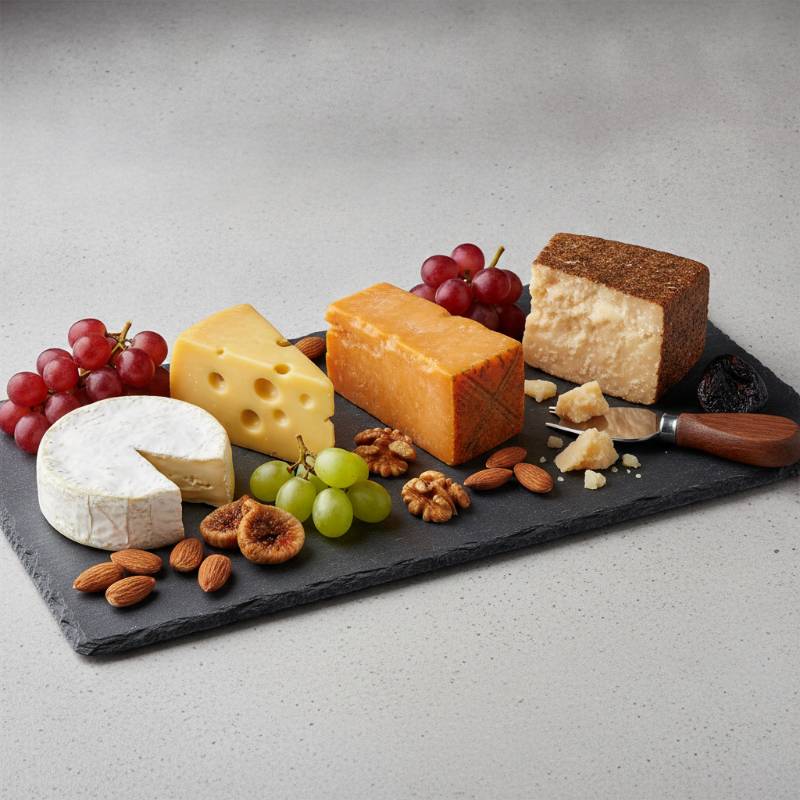
To choose the right blade, you must know your food. Dairy blocks come in four main types. These are soft, semi-soft, semi-hard, and very hard. Each type needs a special edge.
Soft blocks like brie or cream cheese are sticky. They cling to flat metal [10]. Semi-soft blocks like gouda are a bit firmer. They still need a blade that will not stick.
Semi-hard blocks like cheddar are easy to slice. You can use a classic sharp blade for them. Hard blocks like parmesan are dry and crumbly. They need to be chipped.
Cheese Knife vs. Butter Knife: The Key Differences
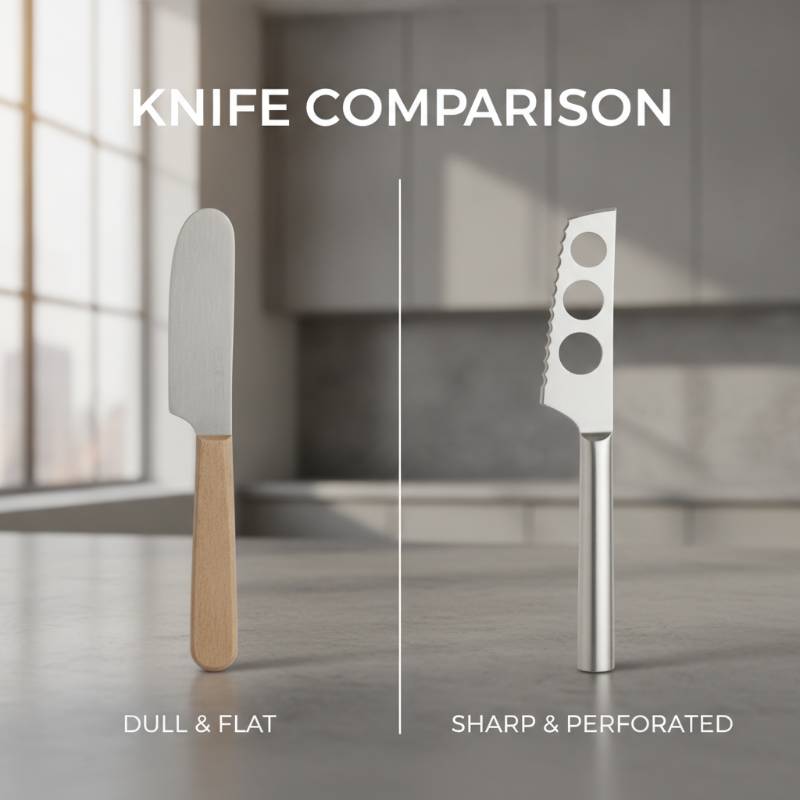
Let us look at what is the difference between a butter knife and a cheese knife. The main difference is the blade edge. Butter blades are dull. Cheese blades can be very sharp.
The next difference is the shape of the tool. Butter tools are flat and straight. Cheese tools have holes, points, or wide blades. They handle different textures with great ease.
We must also look at how they work. One spreads soft fat on bread. The other cuts, slices, or serves dairy blocks. You cannot easily swap one tool for the other.
I made a simple table to show these facts. It compares both tools side by side. This will help you see the main details at a quick glance before your next party.
| Feature | Butter Knife | Cheese Knife |
|---|---|---|
| Blade Edge | Completely dull | Can be sharp or dull |
| Blade Shape | Flat and rounded | Has holes, prongs, or wide angles |
| Best For | Spreading soft butter | Slicing and serving cheese |
Can You Use a Butter Knife for Cheese?
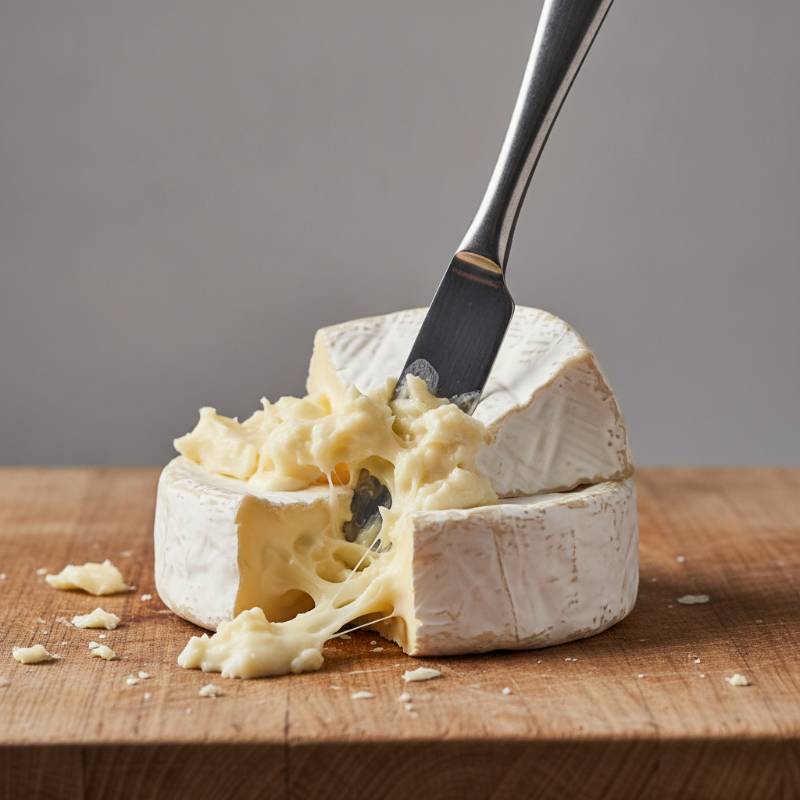
You might ask, can you use a butter knife for cheese? The short answer is yes, but it is not smart. A dull butter blade will crush soft brie into a paste.
It will also struggle to cut a hard cheddar block. You have to push down too hard. The blade might slip and hurt your hand. It is much safer to use the right tool.
Using the wrong blade also ruins the look of your food. It makes the slices look messy and torn. Your guests want clean cuts. A proper blade keeps your food looking great.
How to Choose the Right Knife for Your Board
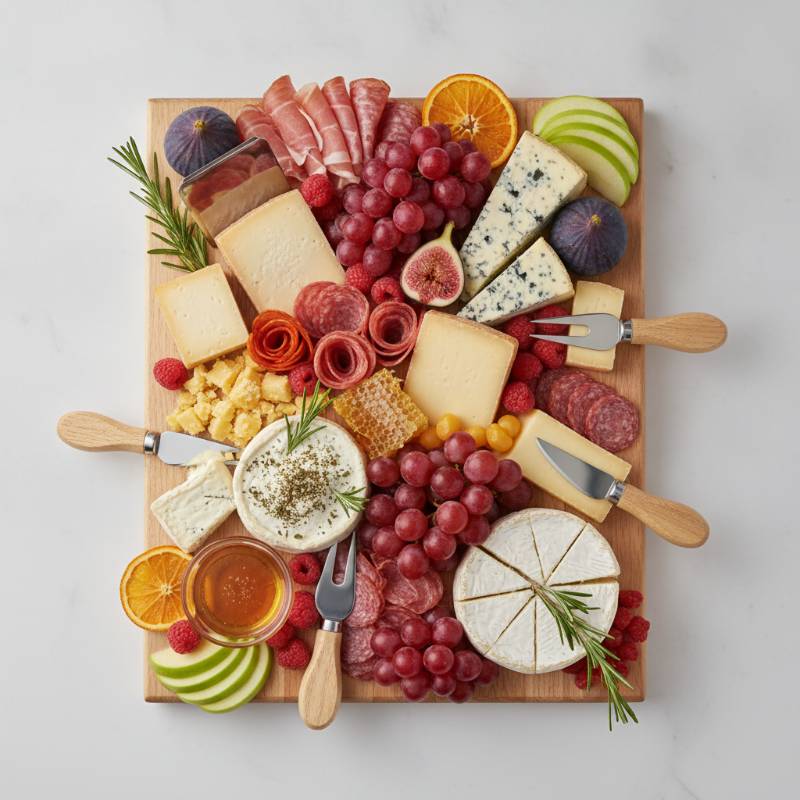
When you build a party platter, you need charcuterie board knives. You should match your blade to your food. A cheese spreader vs butter knife is a common choice to make.
A cheese spreader is great for soft goat cheese. It has a wide, flat shape. It looks like a spatula knife. You can buy a great set on AMAZON to start.
For hard blocks, you want a cheese plane. It shaves thin sheets of cheddar. This tool looks like a small shovel. It makes thin slices that melt fast on your tongue.
Do not forget to add a pronged blade for semi-hard blocks. The two points on the end help guests pick up food. They do not have to touch the food with their fingers.
How to Use Cheese Knives Like a Pro
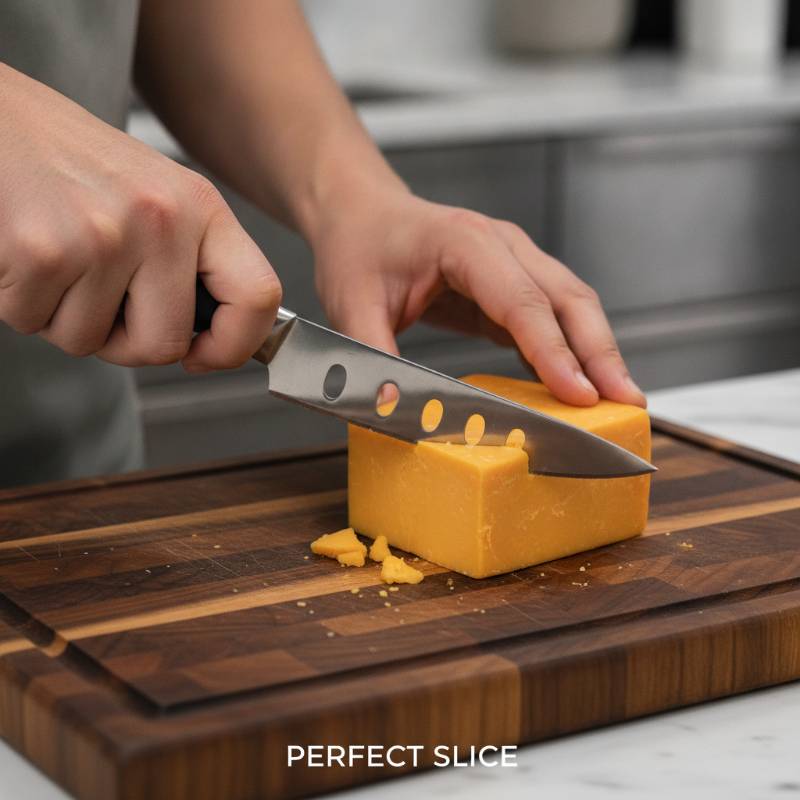
Now you should learn how to use cheese knives. First, let your food sit out. Cold blocks are hard to cut. Let them warm up for thirty minutes before you slice them.
Hold the handle firmly. Use a slow, rocking motion to cut hard blocks. Do not just press straight down. A gentle rock makes the cut clean and safe for you.
For soft blocks, use a light touch. Let the holes in the blade do the work. The holes stop the food from sticking. Drag the blade gently through the soft block.
Always clean your blades between different blocks. You do not want to mix flavors. A quick wipe with a clean cloth keeps each taste fresh and pure for your guests.
Pros and Cons of Each Knife
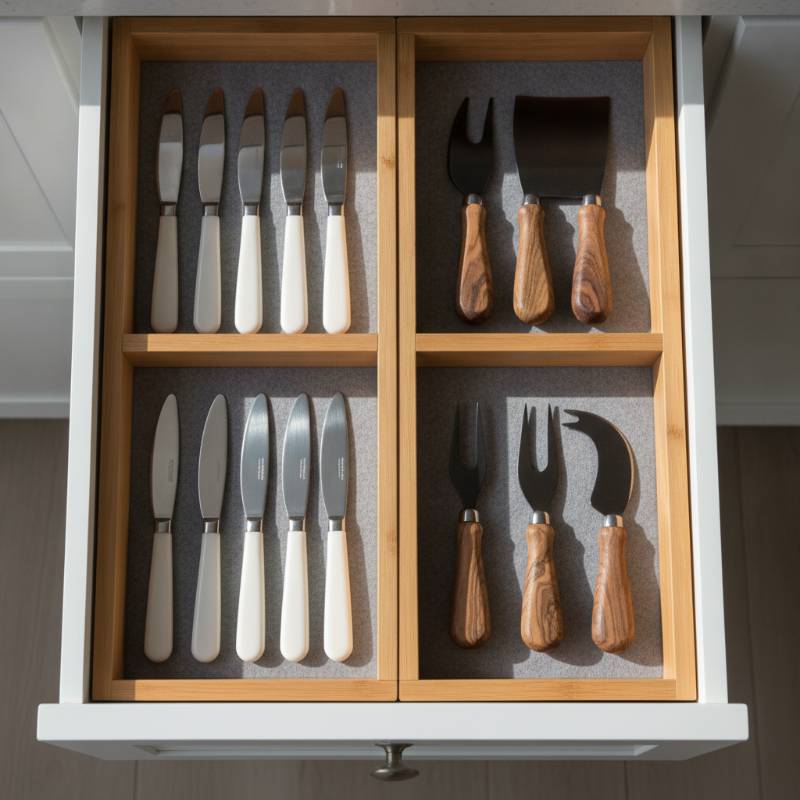
Let us look at the good and bad points of each tool. Butter blades are very safe. They are cheap and easy to find. But they cannot cut hard foods.
They only spread soft toppings. This limits what they can do in the kitchen. You cannot use them to build a beautiful platter. They are best for breakfast toast.
Cheese tools are very helpful. They make clean cuts and look beautiful. You can find a style for every food type. But they can be sharp and cost more money.
You also need to hand wash most of them. The harsh heat of a machine can ruin their wood handles. They take a bit more care to keep in good shape.
How to Care for Your Kitchen Knives
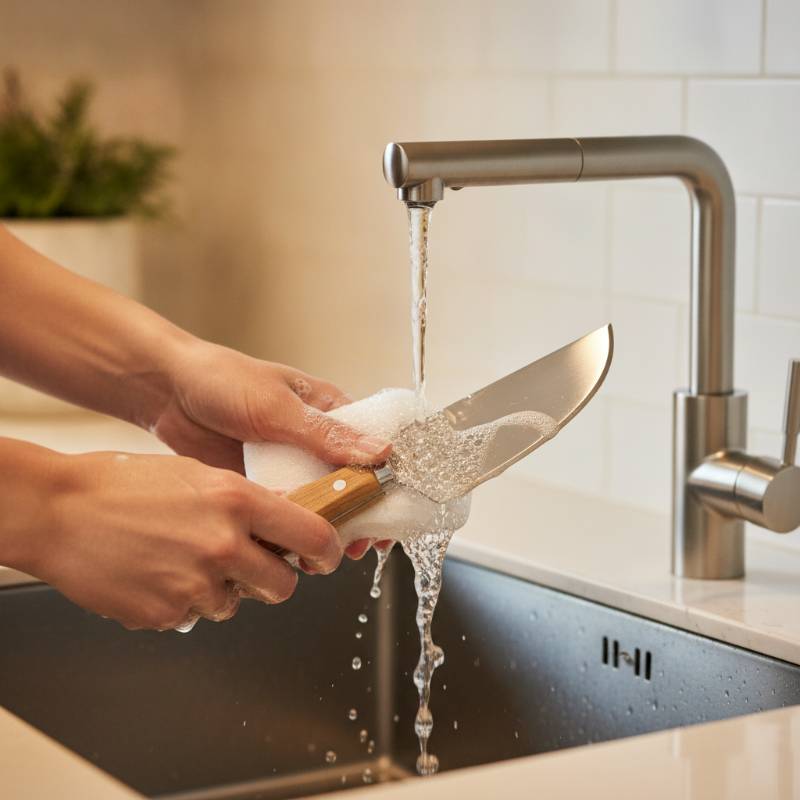
Good tools last a lifetime if you care for them. You must wash them by hand. Do not put them in the dishwasher. The hot water can warp wood handles.
Use mild soap and warm water to clean them. Dry them with a soft towel right away. This stops rust from forming on the steel. Store them in a safe block.
You should also sharpen them once a year. A dull blade is dangerous because it can slip. Keeping them sharp makes your prep work fast, safe, and very easy.
Where to Buy the Best Knives
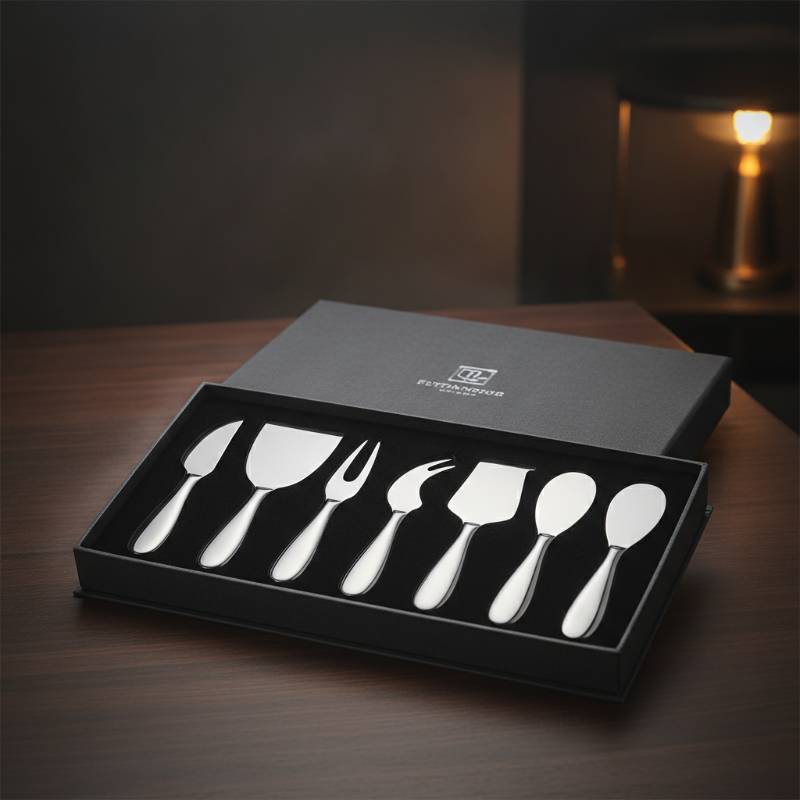
You can find these tools at many stores. I like to shop online for the best deals. You can find high-quality sets on AMAZON that have both styles.
Look for sets with stainless steel blades. They last a long time and do not rust. Wood handles look great but plastic handles are much easier to clean and dry.
A good set makes a wonderful gift. You can give it to a friend who loves to host. It is a simple way to make any party feel more fancy.
Final Verdict on the Knife Debate
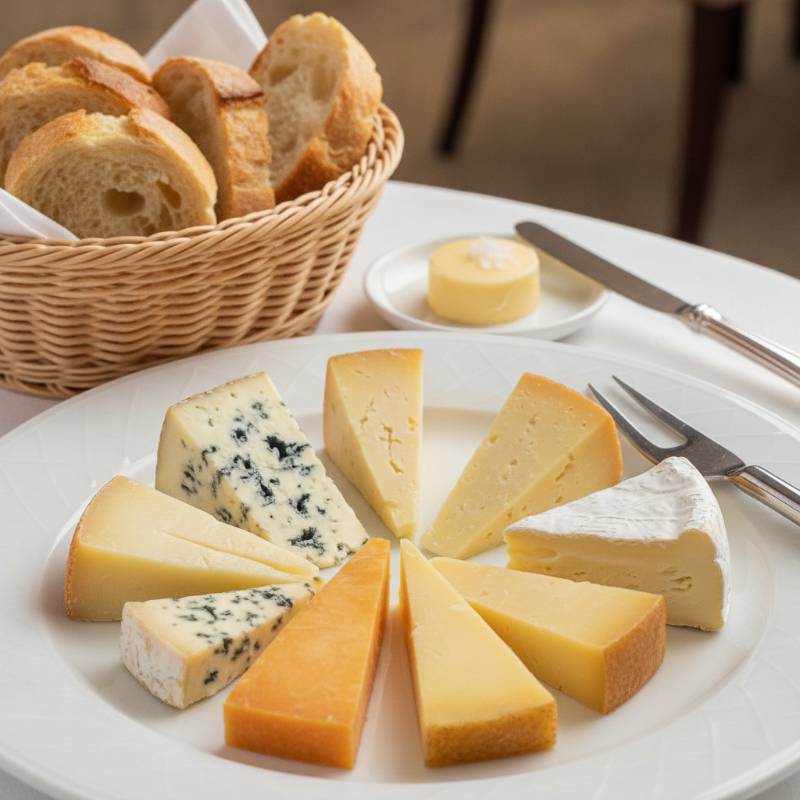
These two tools are very different. You should not use them for the same tasks. A butter blade is made to spread soft fat on warm bread. It does not cut well.
A cheese blade is for cutting and serving dairy blocks. Having both in your kitchen makes cooking much easier. It also makes your party platters look neat and smart.
I hope this guide helps you understand your tools. Next time you host, pick the right blade. Your guests will thank you, and your food will taste much better.
Frequently Asked Questions
Can you use a butter knife to cut cheese?
Yes, but it is not ideal. A butter blade is dull. It will crush soft types and struggle with hard ones. It is much safer and cleaner to use a proper blade.
Why do cheese knives have holes in them?
The holes let air pass through the blade [10]. This stops soft, sticky dairy from clinging to the metal [10]. It helps you get clean, neat slices without making a huge mess.
What is the difference between a butter knife and a dinner knife?
A dinner knife is longer and has small teeth to cut meat. A butter knife is smaller, has a dull edge, and is only used to spread soft toppings on bread.
How do you clean a cheese knife?
Wash it by hand with warm water and mild soap. Dry it with a towel right away to prevent rust. Do not put it in the dishwasher to protect the handle.