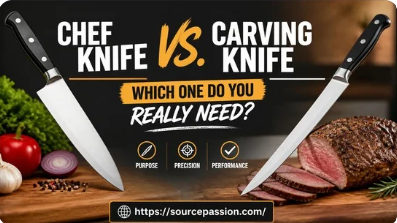
You want to cook a great meal. You need the right tools to make it easy. A bad knife makes cooking hard. A good knife makes cooking fun. You might feel confused by all the options.
Two common tools are the chef knife and the carving knife. They look different and do different jobs. Buying the wrong one can waste your money. We will help you choose the best tool today.
You can find many great options online. Many home cooks start with a simple set. This guide shows you what each knife does best. Let us look at how they compare in your kitchen.
What Is a Chef Knife?
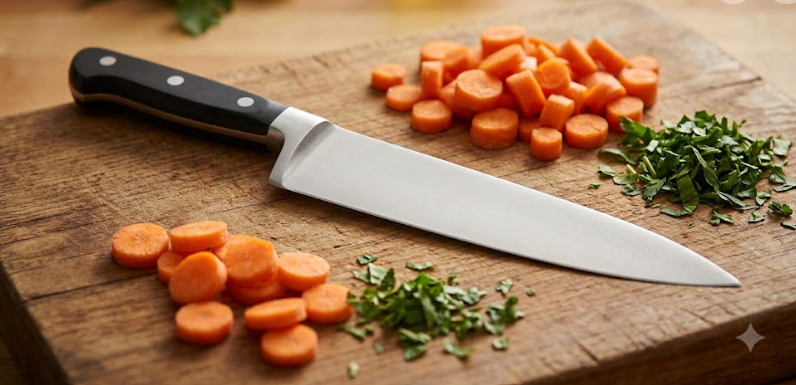
A chef knife is the most useful tool in any kitchen. It has a thick, wide blade that curves up at the tip. This curve helps you chop food fast. It works well for almost any task.
What is the best size for a chef’s knife? Most home cooks like an eight-inch blade. This size gives you great control. It is not too heavy but still long enough to cut large foods.
This tool relies on a rocking motion vs straight slicing. The curved blade rocks back and forth on your board. This motion makes it easy to mince garlic, chop onions, and dice carrots quickly.
These are the best kitchen knives for home cooks who want one tool for everything. You can find top-rated chef knives on AMAZON. It is the workhorse of your kitchen counter.
What Is a Carving Knife?
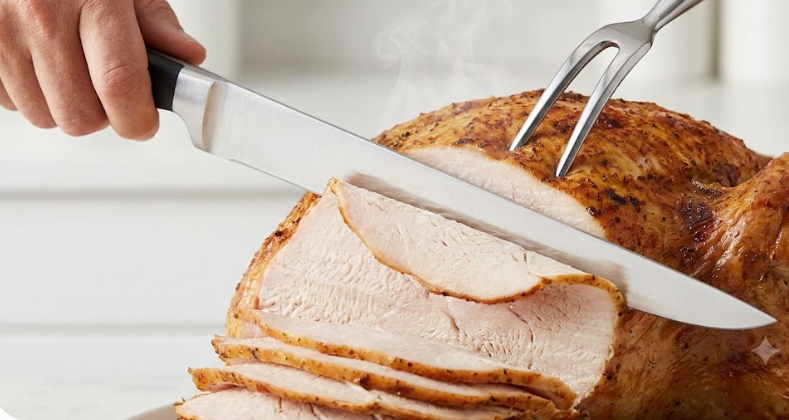
A carving knife is a special tool made for cooked meat. It has a long, thin blade. The blade is much narrower than a chef knife. This narrow shape helps it slide through meat easily.
What is a carving knife best used for? It is perfect for slicing large roasts, ham, or turkey. The long blade lets you make long, clean cuts. This prevents the meat from tearing apart.
Some people wonder: is a slicing knife the same as a carving knife? They are very similar. A carving knife has a pointy tip. This tip helps you cut meat away from bones easily.
A slicing knife has a rounded tip. It is often longer and more flexible. Knowing how to choose a carving knife depends on your meals. If you cook bone-in meat, buy a carving knife.
Key Differences: Chef Knife vs. Carving Knife
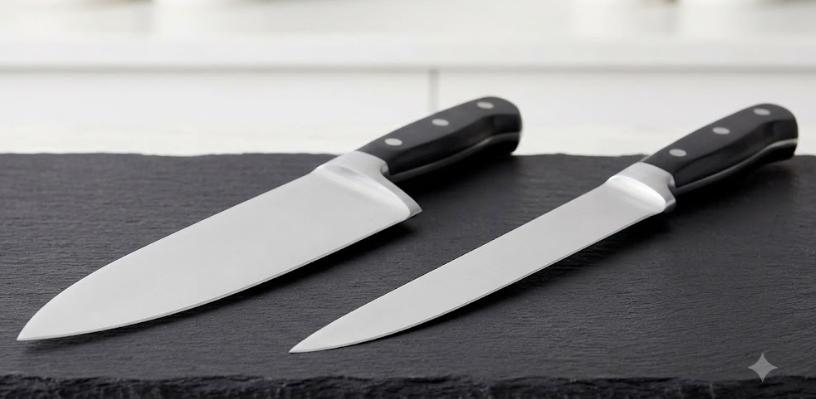
These two tools have different shapes and sizes. They also use different cutting methods. Let us look at their main features. This comparison table shows how they differ in your daily cooking.
| Feature | Chef Knife | Carving Knife |
|---|---|---|
| Blade Shape | Wide and curved | Long and narrow |
| Best Size | 8 inches | 9 to 12 inches |
| Cutting Style | Rocking motion | Straight draw motion |
| Primary Use | Chopping vegetables | Slicing cooked meats |
The blade shape is the most obvious difference between carving and chef knife. A chef knife has a wide, heavy blade. This weight helps you chop through tough vegetables like squash with ease.
A carving knife has a narrow, light blade. It creates less friction when cutting meat. This narrow profile means the meat will not stick to the steel as you pull the blade back.
The cutting movement also differs. You use a rocking motion with a chef knife. With a meat carving knife, you use a long, smooth drawing motion. You pull the blade toward you once.
Can You Use a Chef Knife for Carving?

Yes, you can use a chef knife for carving. Many home cooks do this to save kitchen space. It will cut your roast beef or turkey. However, the results might not look neat.
A chef knife has a thick blade. This thickness can crush delicate meat fibers. Instead of clean slices, you might get torn edges. The meat can look messy on your serving platter.
A wide blade also makes it hard to cut thin slices. It tends to steer to one side. If you want beautiful, thin slices of ham, a chef knife is not the best choice.
Do You Really Need a Carving Knife?
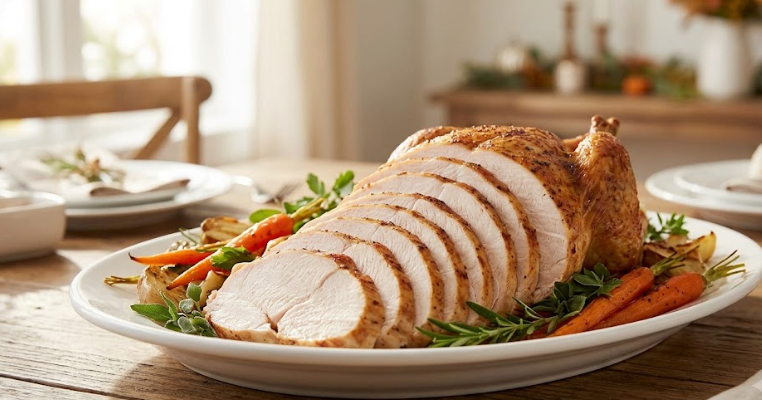
Do you really need a carving knife in your home? The answer depends on how often you cook large meats. If you only roast a turkey once a year, you can probably skip it.
Your chef knife can handle the occasional roast. But if you love Sunday roasts, a carving knife is a great addition. It makes the job much faster and keeps the meat looking perfect.
A carving knife also helps you save meat. Clean slices mean less waste. You can cut closer to the bone. This means you get more food from your expensive cuts of meat.
Other Knife Types to Keep in Mind

You might also see other knives in the store. For example, you may compare a santoku vs chef knife. A santoku is a Japanese knife. It is shorter and has a flatter edge.
You use an up-and-down motion with a santoku. It is great for thin vegetable slices. However, it is not as good for heavy chopping or carving large meats as a chef knife.
Another option is a utility knife vs chef knife. A utility knife is smaller. It is best for mid-sized tasks like cutting sandwiches or slicing fruit. It is too small for big roasts.
Finally, we have the slicing knife vs carving knife. Slicing knives have a round tip and a long blade. They are great for boneless meats. Carving knives have a pointed tip for bone-in meats.
How to Choose Your Next Kitchen Knife
When choosing a knife, think about your cooking habits first. Do you cook mostly vegetables? Or do you roast meat every weekend? Your answers will guide you to the right purchase.
A good chef knife is the best starting point. It handles eighty percent of kitchen tasks. You can find excellent chef knives and carving sets online. Check out options on AMAZON today.
Look for high-carbon stainless steel. This material stays sharp for a long time. It is also easy to clean and will not rust. A comfortable handle is also very important for safety.
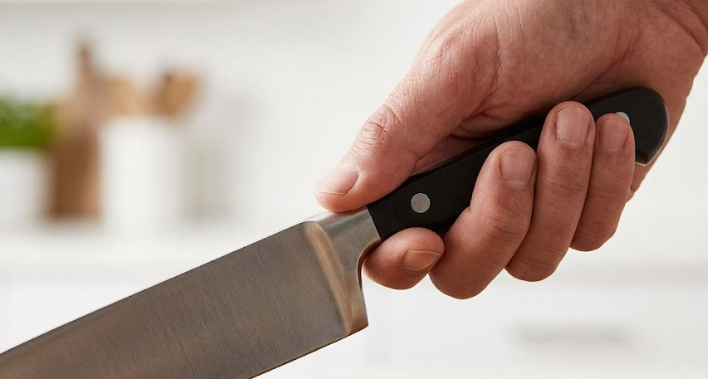
Hold the knife before you buy it if you can. It should feel balanced in your hand. It should not feel too heavy or too light. A balanced knife makes cutting much safer.
Final Verdict: Which Knife Wins?

In the battle of chef knife vs. carving knife, the chef knife wins for most people. It is the most useful tool you can own. It does almost everything well in the kitchen.
You should buy a chef knife first. It is the foundation of your kitchen. Once you have a good chef knife, you can think about adding other tools to your collection slowly.
Add a carving knife if you cook large meats often. It will make your holiday dinners much easier. Your guests will love the beautiful, thin slices of meat you serve them.
Both knives have a place in a great kitchen. Choose the one that fits your cooking style today. You can find high-quality options on AMAZON to start your culinary journey.
How to Care for Your Kitchen Knives

Caring for your knives keeps them sharp and safe. Always wash your knives by hand with warm water and soap. Never put your kitchen knives in the dishwasher because it can ruin them.
Dry your knives with a towel right after washing. Storing wet knives can cause rust spots. You should store them in a wood block or on a magnetic strip to protect the edge.
Use a honing rod before each use. Honing keeps the blade straight. You should also sharpen your knives once or twice a year to keep them cutting smoothly through all your food.
Why Blade Material Matters
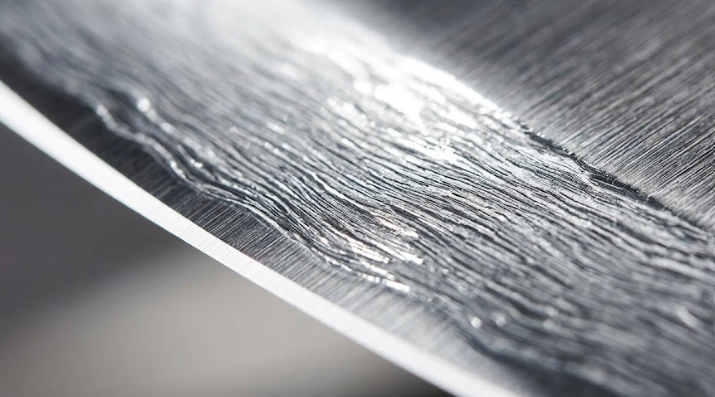
The steel of your knife determines how long it stays sharp. Most kitchen knives use stainless steel. This metal resists rust and stains well, making it very easy to maintain.
German steel is softer but very tough. It will not chip easily when hitting bones. Japanese steel is harder and can get much sharper. However, Japanese steel is more brittle.
Choose German steel for a durable daily workhorse. Choose Japanese steel if you want ultra-thin slices of fish or vegetables. Both styles work well if you take good care of them.
The Anatomy of a Great Knife
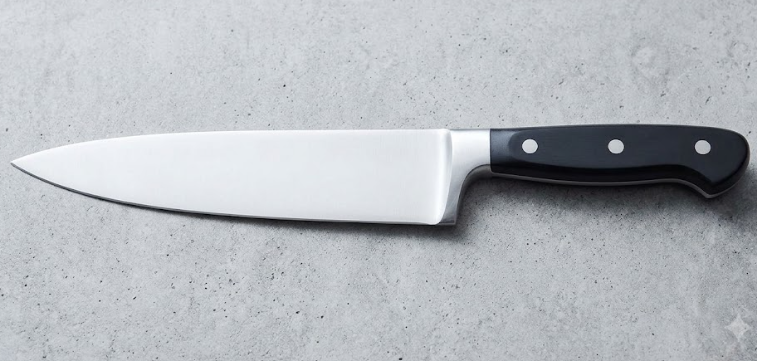
Understanding knife parts helps you buy a better tool. The tang is the part of the metal blade that goes into the handle. A full tang knife is much stronger.
Full tang means the steel runs all the way to the end of the handle. This design gives the knife perfect balance. It also prevents the handle from breaking off during heavy use.
The bolster is the thick collar between the blade and the handle. It adds weight and protects your fingers. Look for these features when shopping for the best kitchen knives.
How to Use a Carving Knife Safely
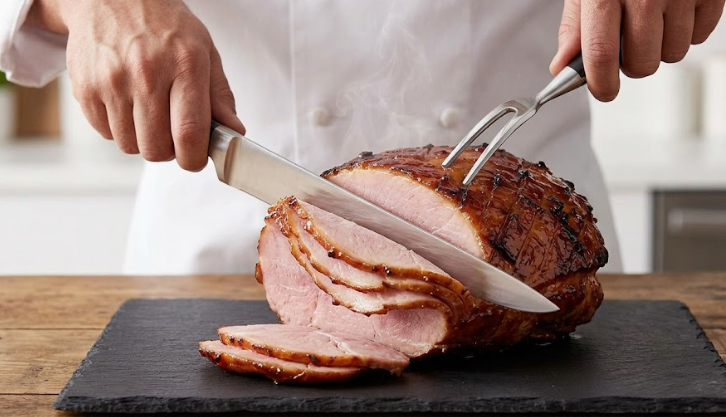
Carving hot meat can be dangerous if you do not use the right technique. Always use a carving fork to hold the roast steady. This keeps your hands far away from the sharp blade.
Never force the knife through the meat. Let the sharp edge do the work for you. Slice in a slow, smooth motion. This keeps the knife from slipping and causing an accident.
Always let your meat rest before you slice it. Hot meat loses its juices if you cut it too soon. Resting makes the meat firmer and much easier to slice safely.
Frequently Asked Questions
Can you use a chef knife for carving?
Yes, you can use a chef knife for carving in a pinch. However, its wide blade can tear delicate meat. A dedicated carving knife will give you much cleaner and thinner slices of meat.
What is the best size for a chef’s knife?
Most home cooks find that an eight-inch blade is the best size for a chef’s knife. This size provides the perfect balance of control and length for almost all kitchen cutting tasks.
What is a carving knife best used for?
A carving knife is best used for slicing large, cooked meats like roasted turkey, ham, and beef roasts. Its thin blade cuts clean slices without tearing the meat apart on your plate.
Slicing knife vs carving knife: is there a difference?
Yes, they differ slightly. Slicing knives have a rounded tip and are great for boneless meats. Carving knives have a pointed tip that makes it easy to cut meat away from bones.