I love to host big meals. Setting the table is hard. Many do not know which tool to pick. Let us compare the butter knife to the dinner knife today.
You might think any knife can spread butter. That is not true. A bad knife will tear your fresh bread. It can also make a big mess on your clean table.
In this guide, I will help you learn the differences. We will look at shapes, sizes, and uses. You will know exactly which tool to grab for your next home meal.
The Main Differences at a Glance
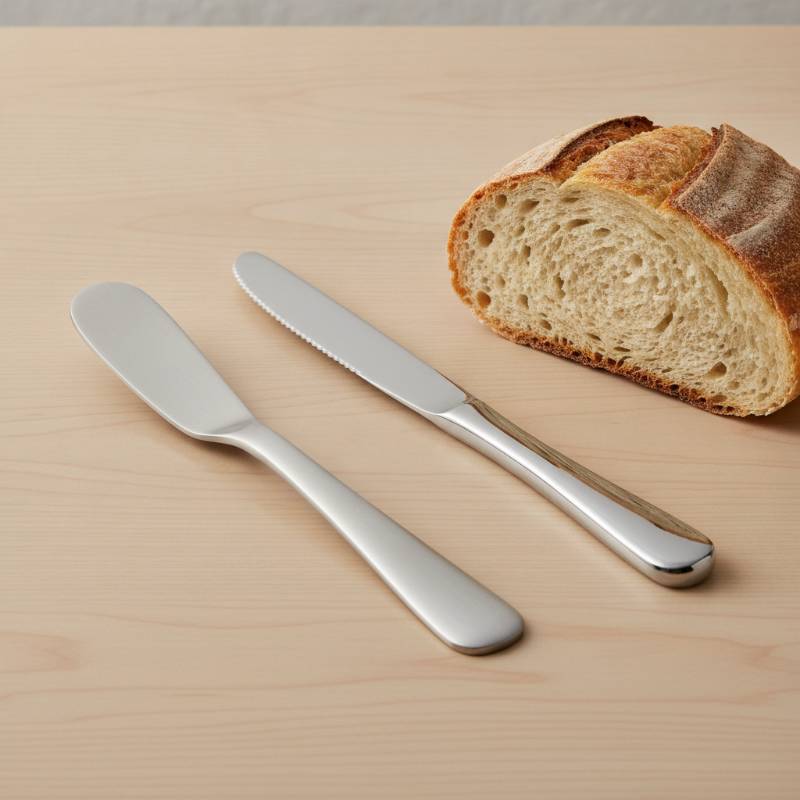
A regular knife is for cutting food. It has a long blade with small teeth. We call this a serrated table knife. It easily cuts through cooked meat and soft vegetables.
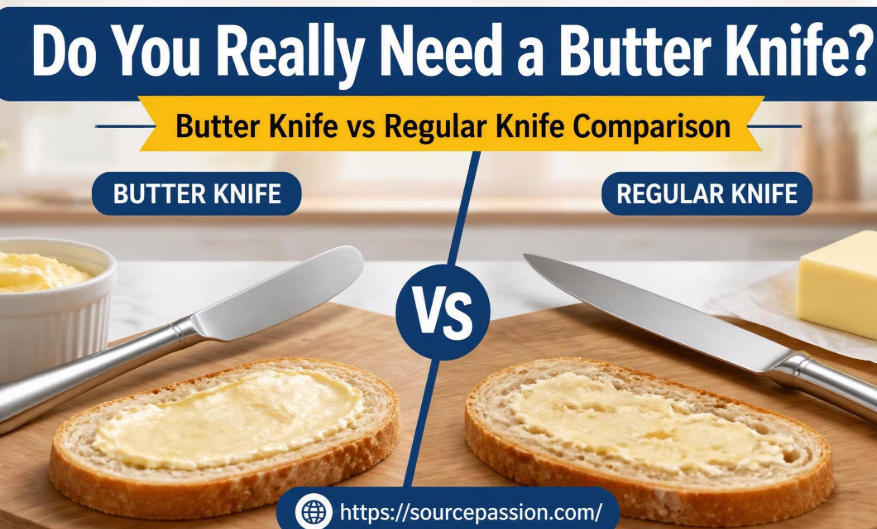
A butter knife is much smaller. It is very dull and has a smooth edge. It does not have teeth. This design helps you spread soft butter without ripping your bread.
Let us compare these two kitchen tools side by side. This simple table shows how they differ in size, edge, and main use. It will help you see the big differences.
| Feature | Butter Knife | Regular Dinner Knife |
|---|---|---|
| Blade Edge | Smooth and dull | Serrated or slightly sharp |
| Tip Shape | Rounded or blunt | Pointed or slightly rounded |
| Main Purpose | Spreading butter and soft spreads | Cutting cooked food and meats |
| Average Length | 5 to 6 inches | 8 to 9 inches |
What Does a Butter Knife Look Like?
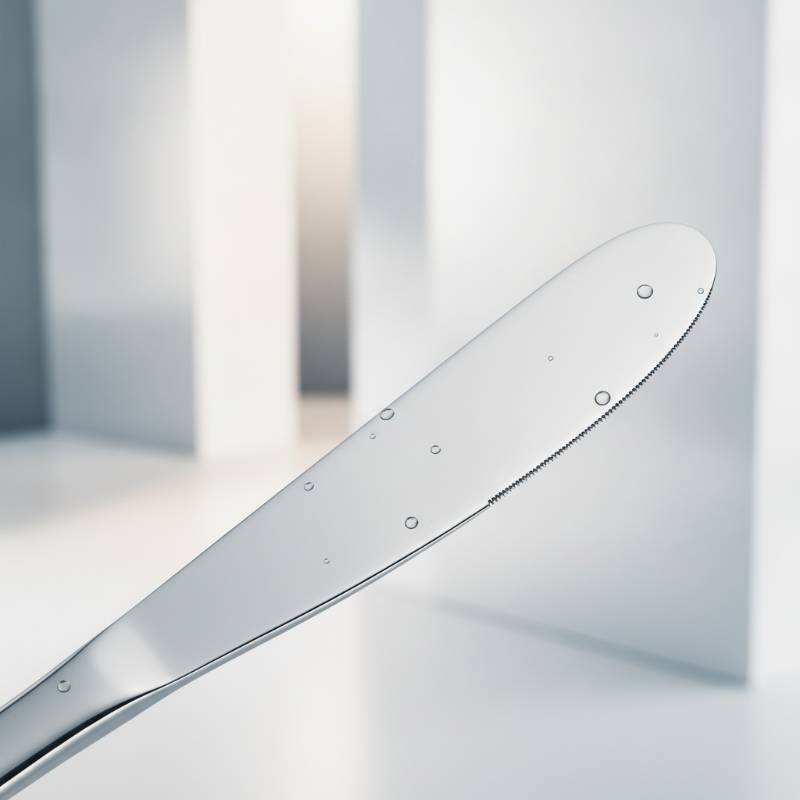
You can spot a butter knife by its size. It is usually the smallest knife on the table. It is about five to six inches long. It feels light in your hand.
The blade is flat and wide. It has a rounded tip instead of a point. This shape lets you scoop up butter. You can then slide it smoothly across your bread.
The edge is completely smooth. If you run your thumb over it, it will not cut you. This dull edge keeps your bread safe from tears while you spread.
Some styles have a small bend in the handle. This bend helps you lift the blade off the table. It keeps your table clean from greasy butter marks.
Master Butter Knife vs Butter Spreader
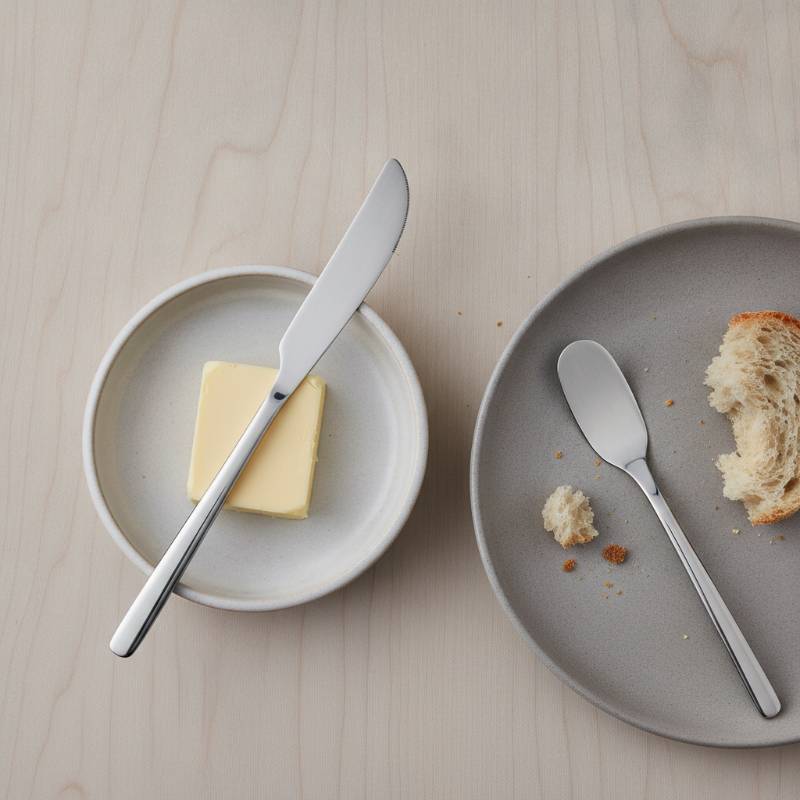
Many people confuse these two terms. A master butter knife is for serving. It sits in the main butter dish. It often has a pointed tip to pick up hard butter pats.
You use the master knife to move butter to your plate. You must never use it to spread butter on your bread. This rule keeps the main butter clean from crumbs.
An individual butter spreader is different. This small tool is just for you. It stays on your bread plate. It has a fully rounded tip to spread butter on your roll.
Using both tools is the best way to serve guests. It keeps your food hygienic. Everyone gets their own clean butter without sharing germs or bread crumbs.
Why Are Butter Knives Dull?
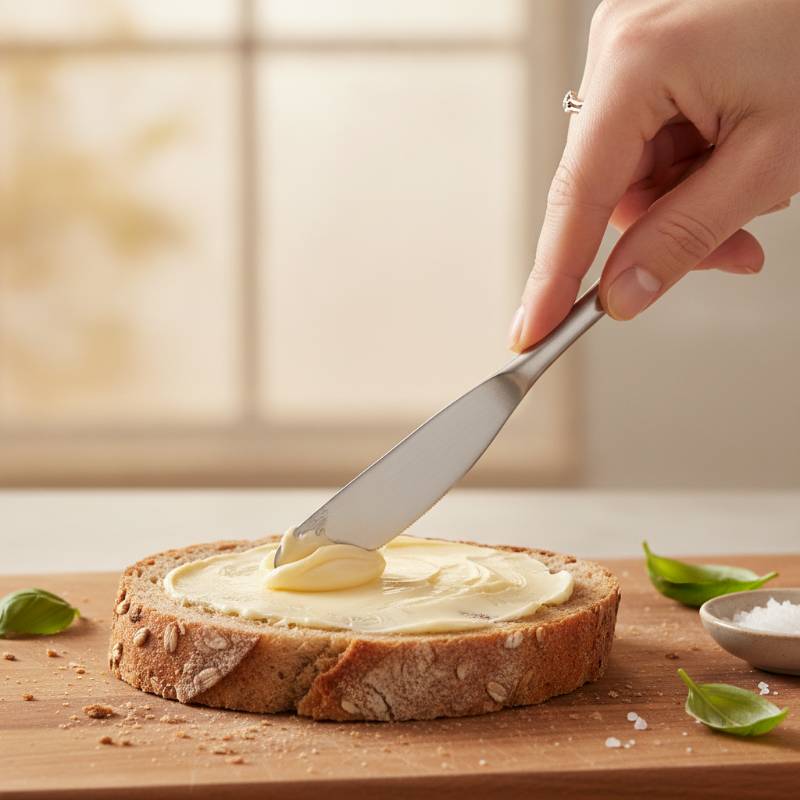
Why are butter knives dull? The main reason is to protect your bread. Soft rolls and warm toast tear very easily. A sharp blade would cut right through them.
A dull, flat blade presses the butter down gently. It glides over the surface. It leaves a smooth layer of butter. This makes your bread look and taste much better.
Safety is another big reason. Kids often use these knives to butter their toast. Since the blade is dull, they can use it safely without hurting their fingers.
A serrated table knife leaves deep lines in the butter. A smooth, dull blade leaves a clean track. This looks much nicer when you serve guests at your dinner.
Difference Between Butter Knife and Steak Knife
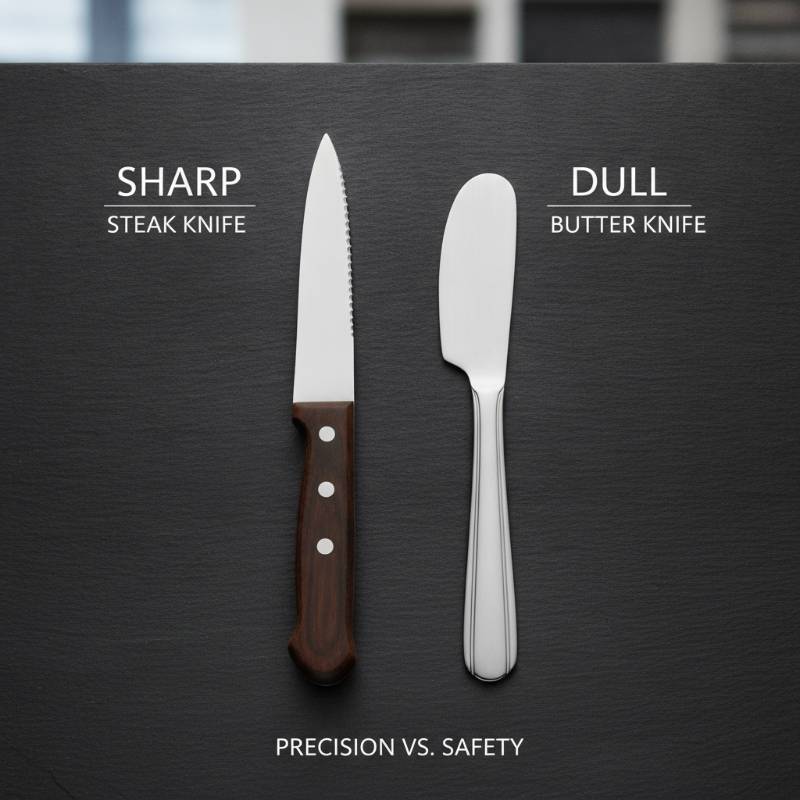
A steak knife is very different from a butter knife. It is made for heavy cutting. It has a very sharp, pointed blade. It often has large, sharp teeth.
You use a steak knife to cut tough meats like beef. It would shred a soft roll instantly. You should never use a steak knife to spread butter on bread.
A butter knife is safe and gentle. It cannot cut meat at all. It is only for soft spreads. Keeping these two tools separate makes dining much easier.
Can You Use a Dinner Knife as a Butter Spreader?
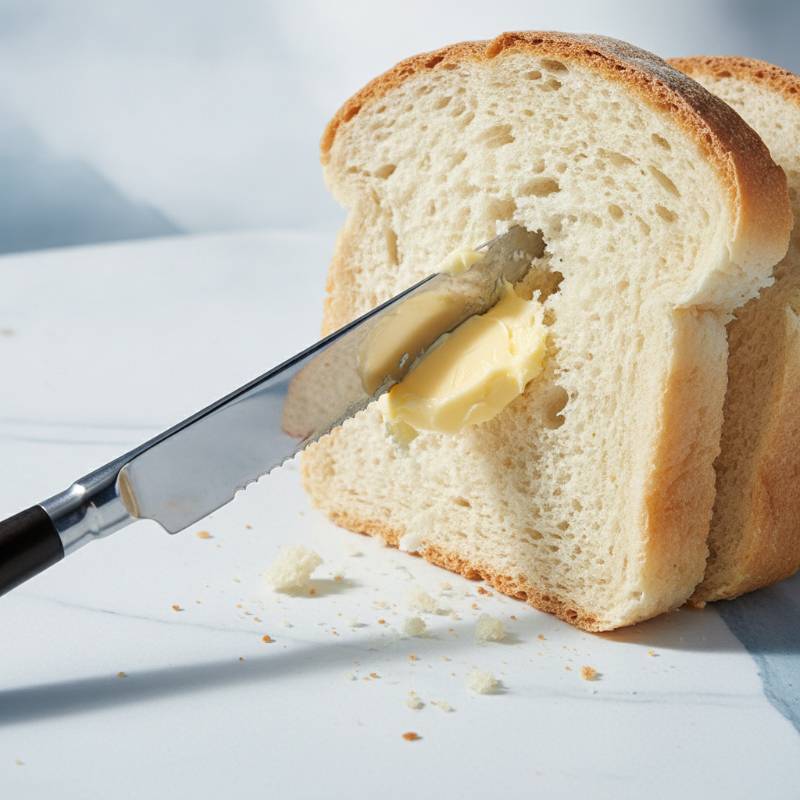
Can you use a dinner knife as a butter spreader? Yes, you can. In a casual home setting, many people do this. It saves you from washing extra dishes.
A dinner knife is not perfect for this job. It is longer and heavier than a spreader. This makes it harder to control. You might easily tear your soft bread.
Dinner knives often have tiny teeth. These teeth leave rough marks in the butter. The butter spread will not look as smooth. It might also collect unwanted crumbs.
If you want the best results, use the right tool. A real spreader makes the job easy. It is worth using one when you have guests over.
Dining Etiquette and Knife Placement
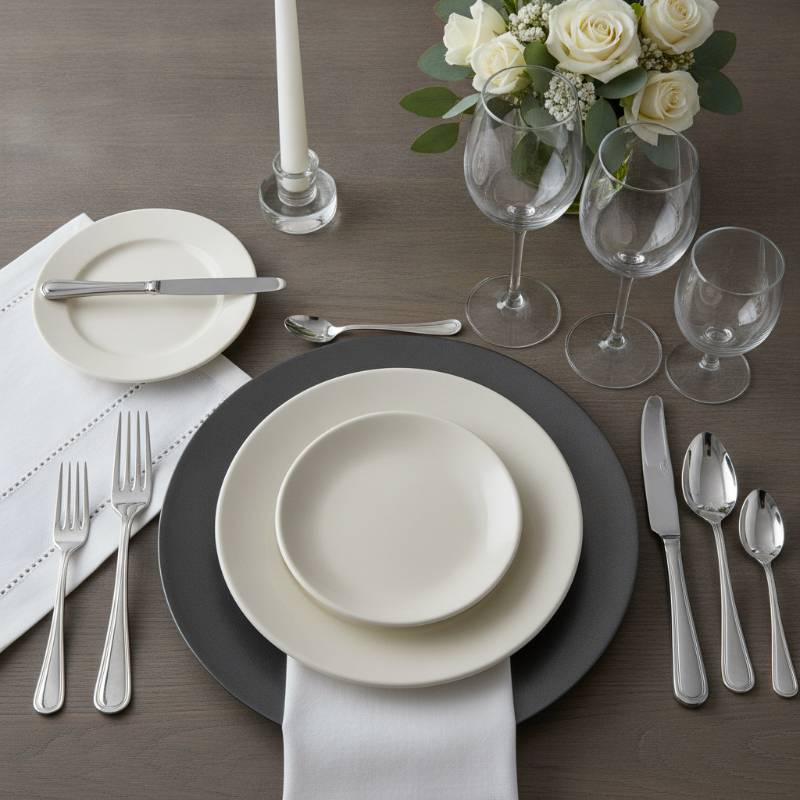
Table setting etiquette knives can seem tricky. But the rules are simple. Your main dinner knife goes to the right of the plate. The sharp edge faces inward.
Your individual butter spreader has a different spot. It goes on the small bread plate. This plate sits to the upper left of your main dinner plate.
Place the spreader flat across the bread plate. The handle should point to the right. The dull blade should face down toward the center of the plate.
This dining etiquette knife placement looks very neat. It tells your guests exactly what each tool is for. It makes your dinner table look elegant and organized.
Flatware Guide: Other Table Knives to Know
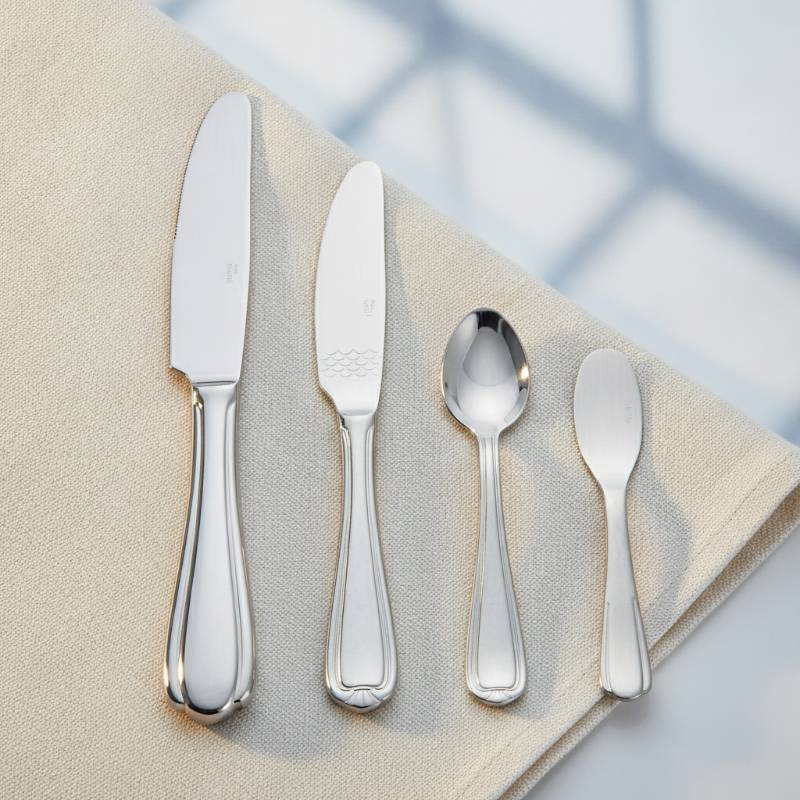
A good flatware guide includes other knives too. You might see a fish knife at a fancy dinner. It has a flat, wide blade to slide under skin.
There is also the dessert knife. It is slightly smaller than a dinner knife. It is used to cut soft cakes and pastries at the end of a meal.
Knowing these shapes helps you feel confident at any dinner party. You will never have to guess which tool to grab first. Each knife has its own job.
Pros and Cons of Using a Real Butter Knife
Using a real butter knife has many benefits. It spreads butter smoothly. It protects your bread from tearing. It also keeps your communal butter clean and fresh.
A proper flatware set makes your table look great. Guests love to see a nice table setting. It shows that you care about the small details of the daily meal.
The only downside is having more dishes to wash. You have to clean the extra spreaders. They also take up a little more space in your kitchen drawer.
For daily meals, you might skip them. But for special dinners, they are wonderful. I highly recommend keeping a set in your kitchen for those times.
Best Practices for Serving Butter
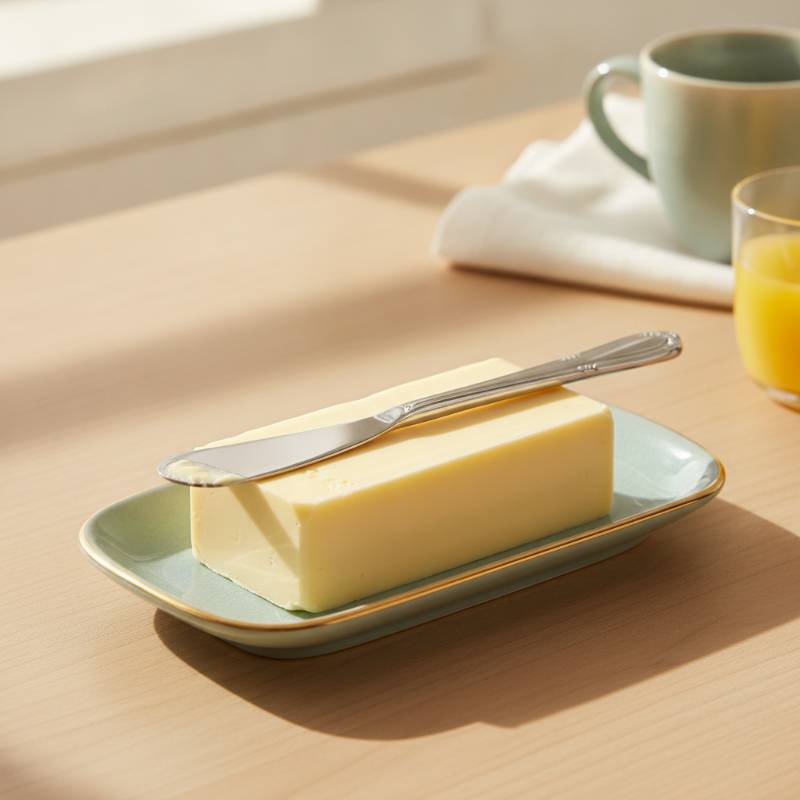
To serve butter perfectly, let it soften first. Cold butter is very hard to spread. It will tear your bread even if you use a great spreader.
Take the butter out of the fridge early. Let it sit at room temperature for an hour. This makes it soft and easy for everyone to use.
You can buy a nice butter dish to keep it fresh. I found a great butter dish on AMAZON that keeps butter soft and clean. It looks beautiful on any table.
Always provide a master knife with the dish. This keeps the serving process clean. Your guests will appreciate the clean setup and the soft, easy butter on their bread.
How to Clean and Store Your Butter Knives
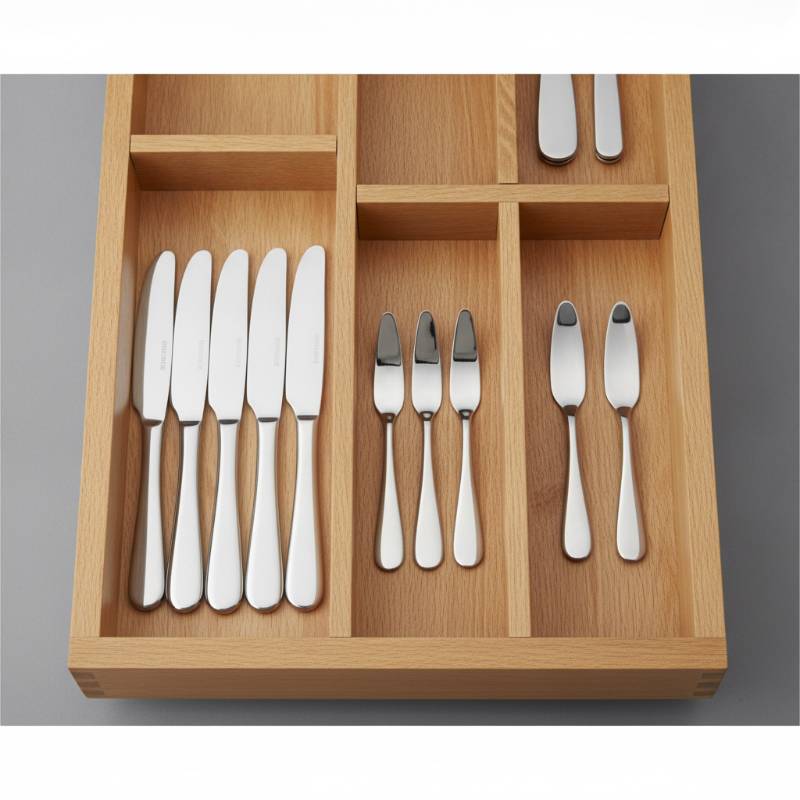
Proper care keeps your knives looking new. Most stainless steel butter knives are dishwasher safe. You can wash them with your regular flatware without any issues.
If you have silver knives, wash them by hand. Use mild soap and warm water. Dry them immediately with a soft cloth to prevent dark water spots.
Store them in a dry drawer. Use a tray organizer to keep them neat. This prevents them from scratching against other sharp kitchen tools in your drawer.
Final Verdict: Do You Really Need One?
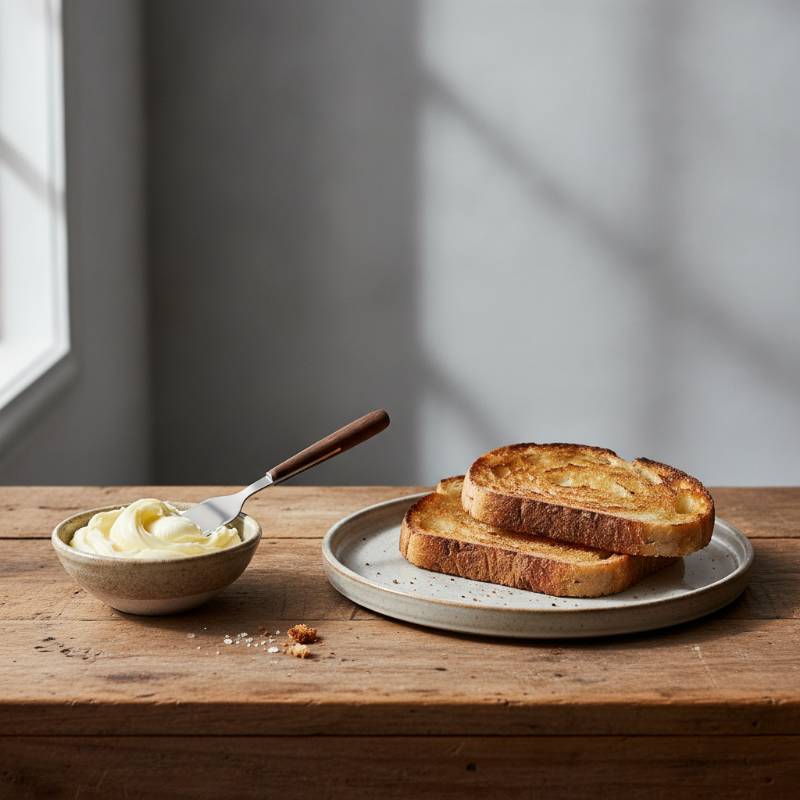
So, do you really need a butter knife? If you eat a lot of bread, yes. It makes spreading butter much easier. It saves your bread from tearing.
If you host dinners, they are essential. They make your table look complete. They also keep your food hygienic, which is very important for all your guests.
For simple daily meals, a regular dinner knife works fine. But having a few spreaders is always nice. They are cheap and add a touch of class.
I hope this guide helps you understand these kitchen tools. Now you can set your table with confidence. Enjoy your next warm slice of fresh buttered bread!
Frequently Asked Questions
What is the difference between a butter knife and a dinner knife?
A dinner knife is longer and has a slightly serrated edge for cutting cooked food. A butter knife is smaller, has a completely smooth, dull edge, and a rounded tip for spreading.
Why do some butter knives have a notch?
A master butter knife often has a notch or a pointed tip. This design helps you pick up or spear individual pats of butter from a communal dish.
Can you use a dinner knife as a butter spreader?
Yes, you can use a dinner knife in casual settings. However, it is heavier and its serrated edge can tear soft bread or leave rough grooves in the butter.
Where do you place a butter knife on a table?
The individual butter spreader goes on the bread plate, which sits to the upper left of the main plate. Place it flat across the plate with the handle pointing right.