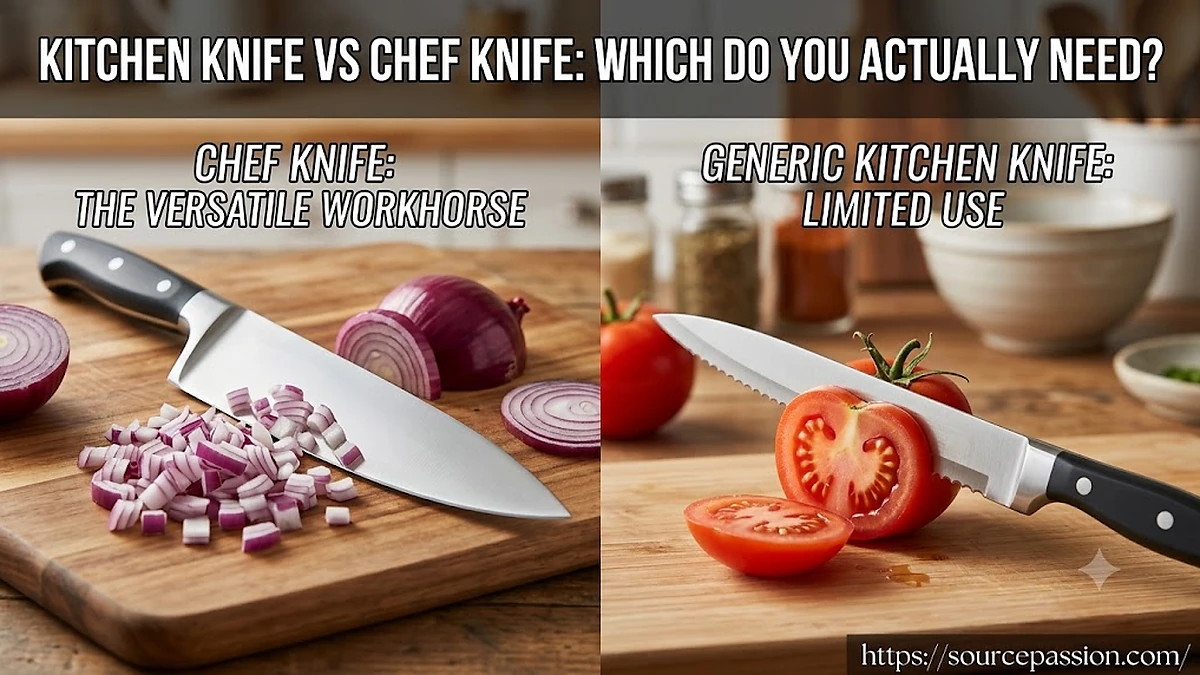
You stand in your kitchen. You want to cook a great meal. But you see too many blades. How do you choose the right one? I will help you make the right choice today.
Many people feel lost when buying kitchen tools. You might ask if you need a whole set. Or maybe you just need one good blade. Let us look at the facts to help you save your cash.
I have cooked for over ten years. I know how a bad knife ruins food. A good blade makes prep work fast and fun. Let us find the perfect tool for your home cooking needs right now.
Cooking at home should be a joy. But using the wrong tool makes it hard. A dull blade can slip and cut you. A heavy blade can make your wrist tired very fast. We want to avoid that.
That is why choosing the right knife is so vital. You do not need to spend a fortune. You just need to know what to look for. Let us make this simple for you. Read on to learn.
What Is a Kitchen Knife?
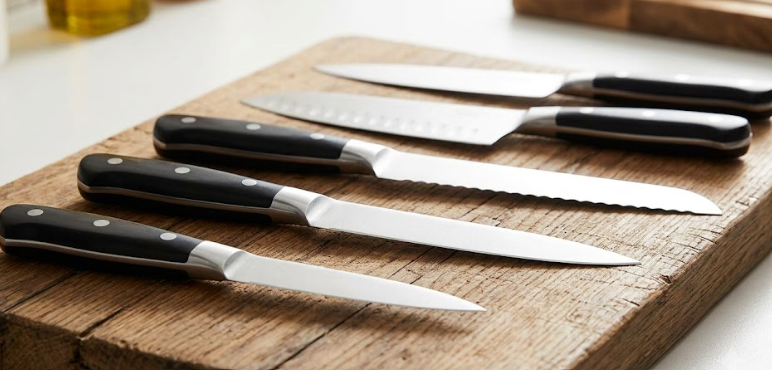
A kitchen knife is any blade made for food prep. This is a very broad term. It is like the word vehicle. A car is a vehicle, but so is a big truck or a small bike. BUY AMAZON
In the same way, many tools fit this group. A small paring knife is a kitchen knife. A jagged bread knife fits here too. Even a heavy meat cleaver is part of this large family of tools.
Each of these tools has one special job. You use a bread knife to slice loaves. You use a paring knife to peel apples. They do not work well if you try to use them for everything.
Most cheap knife sets come with many of these blades. You might get six or eight of them. But many home cooks only use two or three. The rest just sit in a block and collect dust.
Many sets also include steak knives. These are made for eating, not for prep work. Using them to prep food is hard and slow. They do not have the right shape or weight. Avoid using them.
So, a kitchen knife is just a broad term. It is not a single tool you can buy. When you shop, you must look for the exact type of blade you need. This is very important.
What Is a Chef Knife?
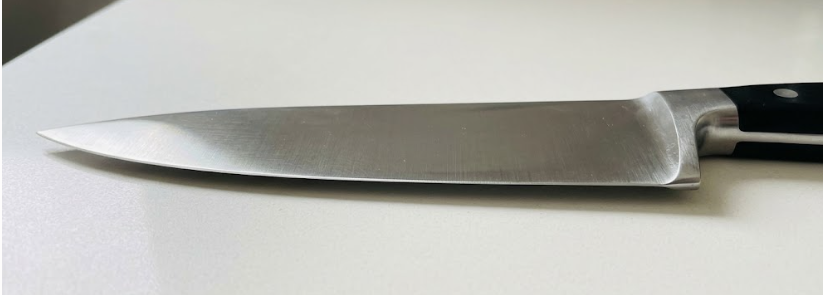
A chef knife is a special type of kitchen knife. It is the king of the kitchen. Most of them have a blade that is eight inches long. Some are six inches, and some are ten.
The blade has a curved edge near the front. This curve lets you rock the knife back and forth. You can chop herbs and onions very fast this way. It has a sharp, pointed tip.
This tool is made to do almost any job. You can slice thick beef with it. You can dice hard carrots easily. It is the one tool that stays on my cutting board all day long.
If you want to buy a great one, check out this BUY AMAZON link. A high-quality blade will make cooking feel easy. It is the best place to start your search for a good knife.
A good chef knife has a thick spine. This is the top, non-sharp side of the blade. A thick spine adds weight. This weight helps you cut through hard items with ease. It does the hard work.
The handle is also very vital. It should feel solid and secure. Many top brands use wood or plastic handles. Both types work well if the knife is balanced. You must feel safe using it.
Key Differences: Kitchen Knife vs Chef Knife
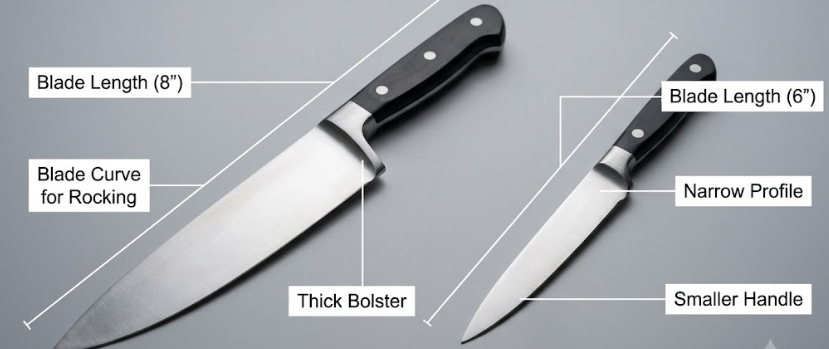
The main difference is that one is a group and one is a single tool. Think of kitchen knives as a team. The chef knife is the star player of that team. It does most of the work.
A regular kitchen knife might only do one small thing. For example, a paring knife is too small to chop a head of cabbage. A bread knife will shred meat instead of cutting it clean.
A chef knife can do all of these tasks. It is wide enough to clear your knuckles. It is heavy enough to cut through cold butter. It is long enough to slice big melons.
Other kitchen knives have thin, flat blades. They do not rock on the board. If you try to chop fast with them, you will get tired. Your hand might even hurt after a few minutes.
Another difference is the blade width. A chef knife has a wide blade. This keeps your fingers from hitting the board. Smaller kitchen knives do not have this safety space. Your knuckles will thank you.
This width also lets you scoop up food. After you chop your onions, you can use the flat blade like a small shovel. You can carry the food right to your hot pan. It saves time.
How a Chef Knife Compares to Other Kitchen Knives
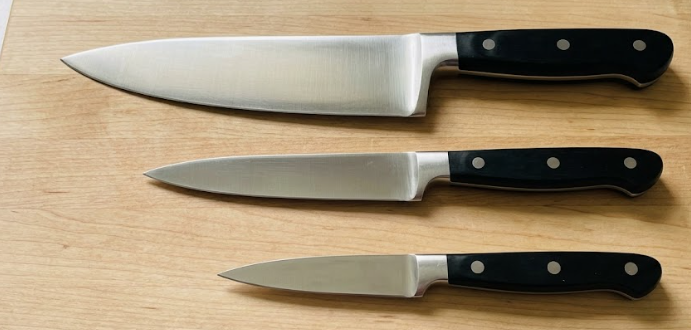
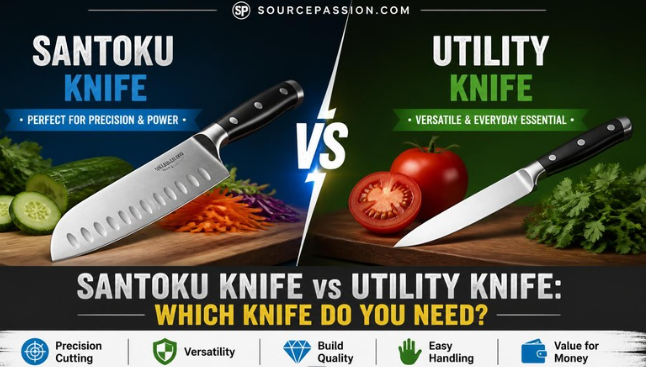
Let us look at the utility knife first. It is smaller than a chef knife. It has a narrow blade. It is great for cutting cheese or small fruits. But it is too light for big vegetables.
Next is the paring knife. This blade is very small. It is usually three to four inches long. You hold it in the air to peel fruit. You cannot use it on a cutting board easily.
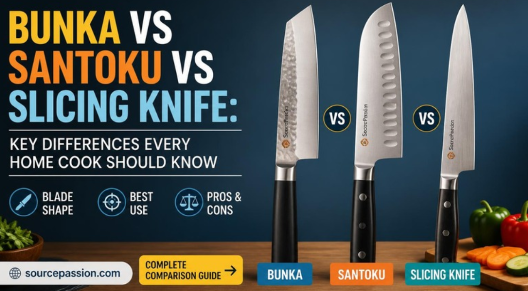
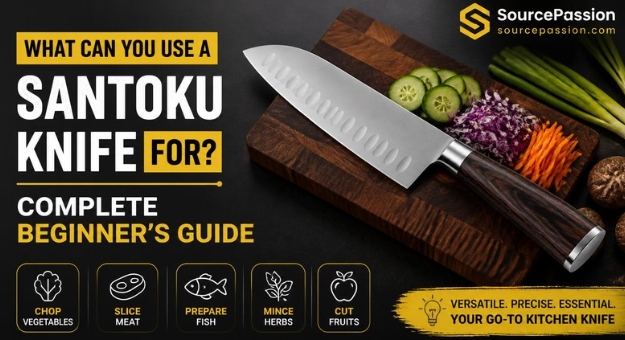
Then we have the Santoku knife. This is a Japanese style blade. It has a flat edge and a curved spine. It is great for clean, straight cuts. But it does not rock like a Western chef knife.
Some people call a chef knife a cook’s knife. These two terms mean the same thing. No matter the name, this blade is the most useful tool you can own. It does the job of three other blades.
A bread knife has a long, jagged edge. It looks like a saw. It is great for cutting soft bread without squishing it. But it is terrible for cutting raw meat or vegetables. Do not try it.
A boning knife is thin and can bend. It is made to remove bones from meat and fish. This is a special task. You will rarely use this knife for daily cooking. Keep it simple.
German vs Japanese Kitchen Knives
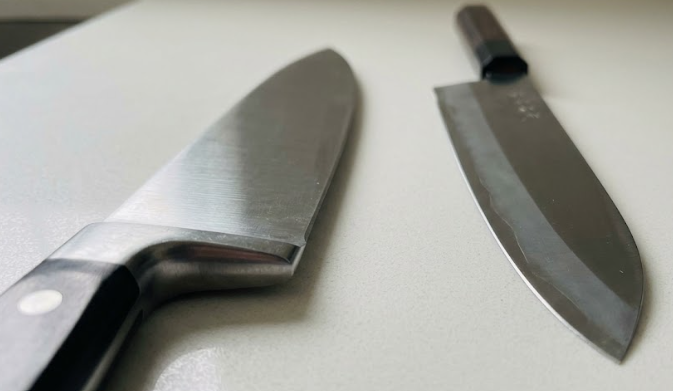
When you shop, you will see two main styles. These are German and Japanese knives. German blades are heavy and thick. They use tough steel that does not chip easily. They can cut through hard bones.
Japanese knives are light and thin. They use very hard steel. This steel stays sharp for a long time. But they can chip if you hit a bone. You must use them with care.
German knives have a curved edge. This is perfect for the rocking motion. Japanese knives have a flatter edge. They are better for pushing straight down. Both styles are great for home kitchens.
New cooks mostly like German knives. They are easy to use and do not break easily. You can find many options on this BUY AMAZON link. They will last for many years with basic care.
German steel is softer but very tough. You can drop it without worry. It is easy to sharpen at home. Most home cooks find German style blades easier to care for. They last forever.
Japanese steel is harder and can hold a sharper edge. But it requires expert care. You must wash and dry it right away. If you leave it wet, it can rust fast. Pick the one you prefer.
How to Choose Your First Knife
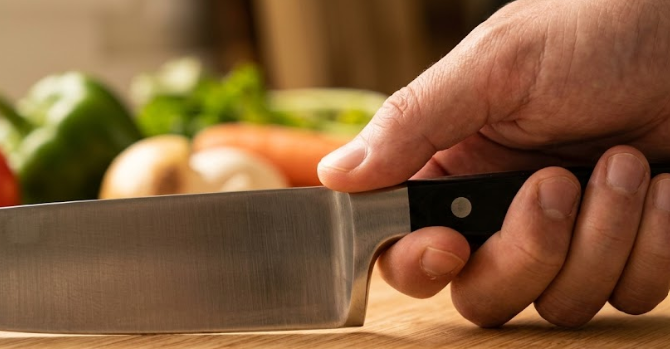
Do not buy a big set first. Start with one good chef knife. It will do ninety percent of your kitchen work. You can add other tools later when you need them. This saves you money.
Hold the knife before you buy it. It should feel balanced in your hand. It should not feel too heavy or too light. The handle should fit your grip without slipping. Comfort is key.
Look for a forged blade. Forged knives are made from a single piece of hot metal. They are stronger than stamped knives. Stamped knives are cut out of a flat sheet of steel.
An eight-inch blade is the standard size. It is long enough for big tasks. But it is still easy to control. If you have small hands, try a six-inch chef knife instead. It will feel safer.
Check the bolster of the knife. This is the thick part between the blade and handle. A full bolster protects your fingers. A half bolster makes the knife lighter and easier to sharpen. Both work well.
Also look at the tang. The tang is the metal part of the blade that goes into the handle. A full tang goes all the way to the end. This makes the knife strong. Avoid half tang knives.
Comparison Table
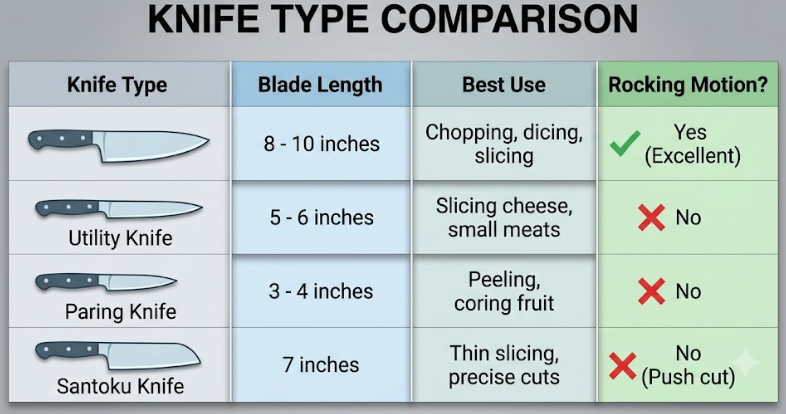
This table shows how the chef knife compares to other types. It lists the typical size of each blade. It also shows what task each knife does best in your home kitchen. Use it to choose.
| Knife Type | Blade Length | Best Task | Rocking Motion? |
|---|---|---|---|
| Chef Knife | 8 – 10 inches | Chopping, dicing, slicing | Yes (Excellent) |
| Utility Knife | 5 – 6 inches | Slicing cheese, small meats | No |
| Paring Knife | 3 – 4 inches | Peeling, coring fruit | No |
| Santoku Knife | 7 inches | Thin slicing, precise cuts | No (Push cut) |
As you can see, the chef knife is the most useful option. It handles almost all the heavy cutting. Other tools are good to have but they are not required to start cooking. One blade does it.
Pros and Cons of a Chef Knife
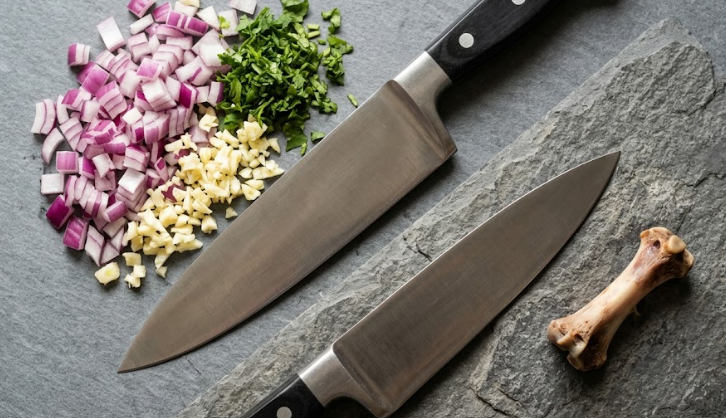
Every tool has good and bad points. Let us look at what makes this blade great. We will also look at its limits. This will help you make a smart buy today. Knowledge is power.Pros:
- It is highly useful for almost any kitchen task.
- The curved edge allows for fast rocking cuts.
- It has enough weight to cut hard vegetables.
Cons:
- It is too large for small tasks like peeling.
- It requires proper technique to avoid cuts.
- It can be expensive for a high-quality forged model.
As you can see, the pros are much stronger than the cons. The limits are easy to manage. You only need a cheap paring knife to cover what this blade cannot do. It is that simple.
Final Verdict: Which Should You Buy?
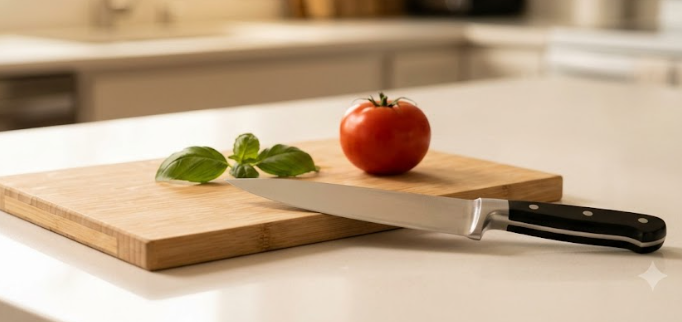
If you are a new cook, do not buy a big knife block. You will waste your money on tools you do not use. Instead, buy one high-quality chef knife as your main tool. This is the smart way.
A good chef knife will make your prep work much faster. It will keep your hands safe because of its balanced weight. You will enjoy cooking much more when you have the right tool. It is worth it.
You can find a great starter blade by clicking this BUY AMAZON link. This tool will become your best friend in the kitchen. Happy cooking, and may your blades always stay sharp! Enjoy your new tool.
Frequently Asked Questions
Is a chef knife a kitchen knife?
Yes, a chef’s knife is a special type of kitchen knife. The term kitchen knife includes many kinds of blades. A chef’s knife is just one of them. It is the most popular one.
Can you use a chef knife for everything?
You can use a chef knife for almost ninety percent of kitchen tasks. It is great for meat, veggies, and herbs. But do not use it to peel fruit or slice bread. Use special tools for those.
What is the difference between a chef’s knife and a regular knife?
A regular knife is often small, thin, or has teeth. A chef’s knife has a long, wide blade with a curved edge. This shape lets you rock the blade to chop fast. It is built for heavy work.
Is a santoku knife better than a chef knife?
Neither is better. A Santoku is lighter and has a flatter edge. It is great for clean, downward cuts. A chef’s knife is heavier and has a curved edge for rocking. Choose the one that fits.